


7 Popular Wood Fence Stain Colors to Consider This Season
A wood fence does a lot of work for your yard. It frames your property, keeps the dog where he belongs, and gives you a little privacy from the street. The color you choose for it matters more than most homeowners expect. The right wood fence stain colors can make your home look warmer, cleaner, or more modern, while also protecting the wood from sun and moisture. Whether you’re refreshing an older fence or still picking the right wood and style for your yard, a little planning goes a long way.
Here’s what this guide covers:
- 7 wood stain colors homeowners keep coming back to
- How stain opacity changes color and protection
- Which colors pair best with different homes and wood types
- When to stain in New Hampshire for the best results
Why Your Stain Color Choice Matters More Than You Think
Stain isn’t just about appearance. Like any exterior wood, your fence boards need protection from the sun, rain, snow, and freeze and thaw cycles that New Hampshire throws at them every year. Choosing a color is also choosing how much pigment goes on the wood, and pigment plays a big role in how well the finish holds up.
That’s why color and opacity go hand in hand. A lightly tinted finish shows off the grain but needs attention more often, while a heavier, more pigmented stain lasts longer between coats. Before you settle on a shade, it helps to understand how long different finishes typically last so your color choice fits the maintenance you’re willing to take on.
- Protects your investment: Well sealed wood surfaces resist moisture, and pigmented stain helps block UV rays, which can extend the life of your fence.
- Boosts curb appeal: A fence runs along a big part of your property, so its color has a real impact on how your whole home looks from the street.
- Sets your maintenance schedule: Lighter, more transparent finishes need recoating sooner, while solid stains can go much longer between coats.
- Ties your outdoor space together: The right color connects your fence to your home’s trim, your deck, and your landscaping.
For homeowners in Bedford and surrounding areas, where wooded lots and classic New England homes are common, a fence color that blends with the setting usually looks best. Keep that in mind as you look through the options below.
7 Wood Fence Stain Colors Homeowners Love
Browse Pinterest or a paint store display and you’ll find a huge variety of shades. Still, a handful of colors stay popular year after year because they work with so many home styles. Here are seven worth considering before you commit.
1. Natural Cedar
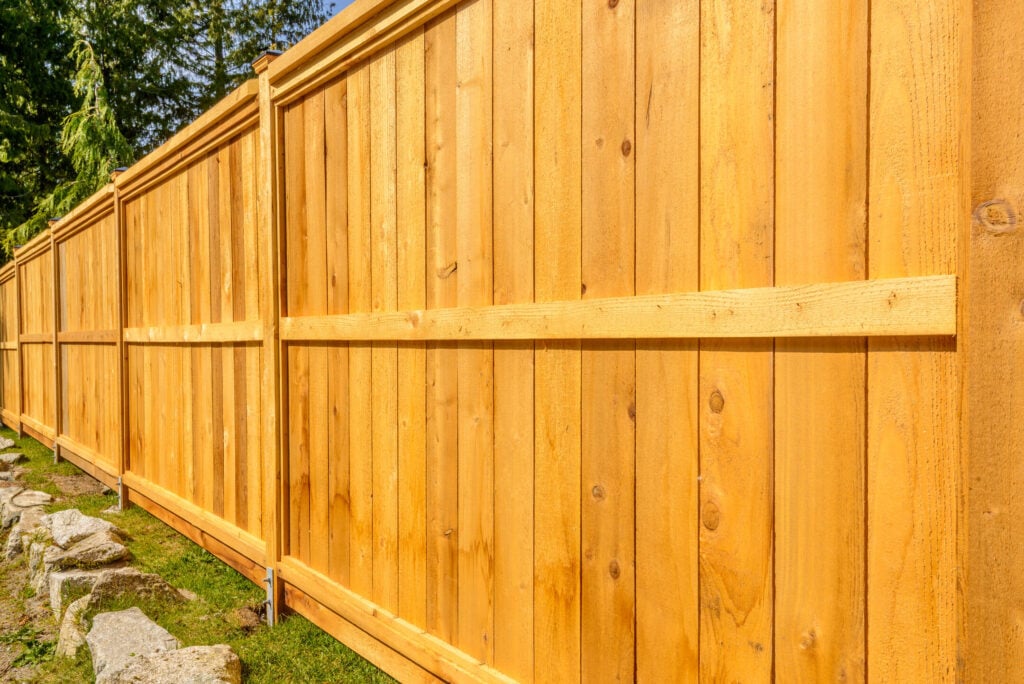
If you love the look of fresh wood, a natural cedar tone is hard to beat. It adds a light amber warmth that enhances the natural beauty of the grain instead of covering it. This color works especially well on new cedar fences and pairs nicely with white or cream homes.
- Highlights the wood’s natural grain
- Feels warm and classic
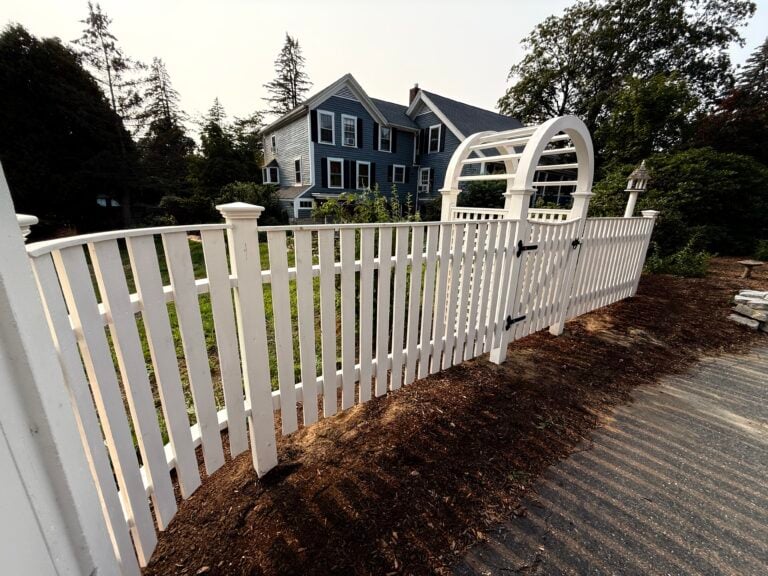
- Looks great on privacy and picket fences
2. Honey Gold
Honey gold leans a little brighter and sunnier than natural cedar. It’s a great choice for cottage style homes, farmhouses, and yards with lots of greenery. Because it’s lighter, it can show dirt and mildew sooner, so it’s best for homeowners who don’t mind regular cleaning.
3. Redwood
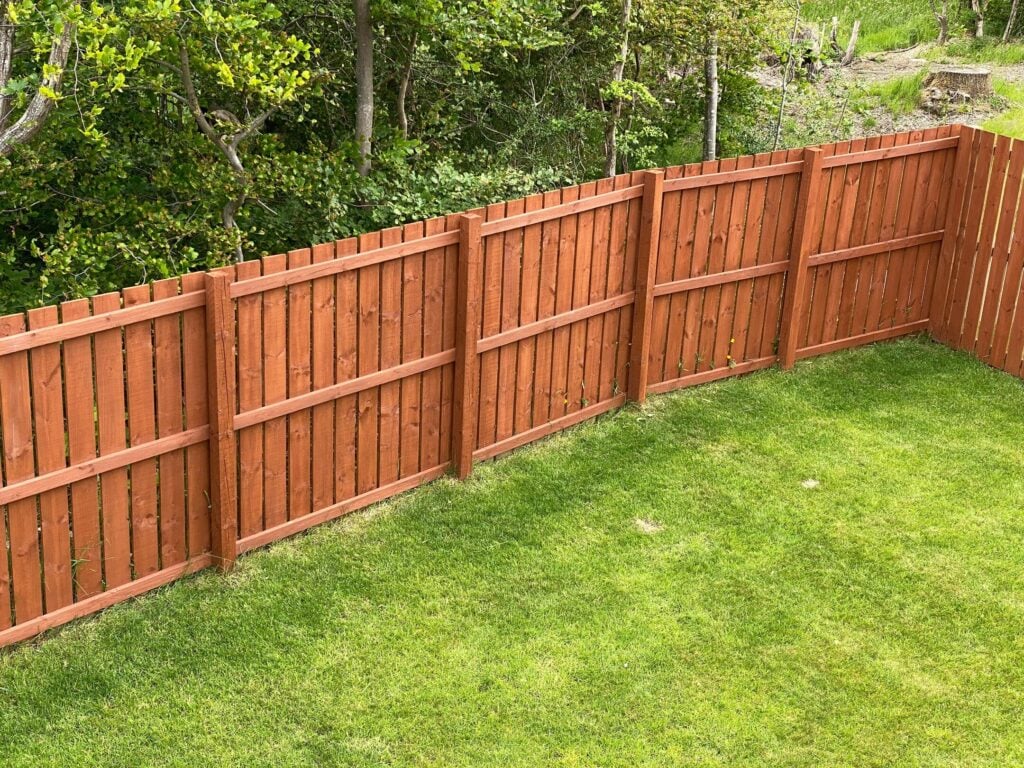
Redwood brings a rich, reddish brown color that feels traditional and welcoming. It’s a popular pick for homes with brick accents or red barn style outbuildings. It also does a nice job evening out the color of pressure treated pine.
4. Chestnut Brown
Chestnut brown is the safe, versatile middle ground. It’s dark enough to hide minor imperfections but light enough to keep the wood grain visible. If you can’t decide on a color, this one rarely looks out of place.
- Works with almost any siding color
- Hides wear and dirt better than lighter tones
- Complements both wooded and open yards
5. Weathered Gray
Gray stains give a fence the soft, silvery look of aged wood without the damage that comes with natural weathering. This color fits modern farmhouses, coastal style homes, and gray or white siding. It’s also a smart way to blend new boards with older ones.
6. Dark Walnut
Dark walnut is deep, rich, and a little dramatic. It makes green lawns and flower beds pop and gives a fence a high end, finished look. Darker colors also tend to hide stains and scuffs well, which is helpful along busy side yards.
7. Solid Black
Black fences have become a favorite for modern and contemporary homes. A solid black stain creates a sharp, clean backdrop for landscaping and makes your yard feel more polished. Because it’s a solid finish, it hides the grain completely and usually lasts longer between coats.
- Creates a bold, modern look
- Makes plants and gardens stand out
- Offers strong protection with full coverage
No matter which color catches your eye, test it first on a spare board or a hidden section of fence. Wood species, age, and sunlight all change how a new stain looks once it dries, so that step helps you find the perfect shade.
Understanding Stain Opacity Before You Pick a Color
The same color name can look completely different depending on the opacity of the stain. Opacity refers to how much pigment is in the product and how much of the wood grain shows through. Getting this part right is just as important as choosing the shade itself.
- Transparent: Adds a light tint and shows nearly all of the grain. It offers the least UV protection, so expect to recoat more often.
- Semi transparent: The most popular choice for fences. It adds noticeable color while letting the grain show, often needs only one coat, and tends to fade gradually instead of peeling.
- Semi solid: Offers more color coverage with just a hint of texture. It’s a good fit for older fences with some uneven weathering.
- Solid: Covers the grain completely, much like paint, and is usually applied in two coats. It lasts the longest and hides mismatched or worn boards on the surface.
As a general rule, the more pigment a stain has, the better it holds up against sun and weather. If you want a natural look, plan on recoating more often. If you’d rather stain less frequently, or your fence in Bedford and surrounding areas has already weathered a few winters, a semi solid or solid finish is usually the better fit.
Matching Your Stain to Your Home, Wood, and Season
A color that looks great in a photo might not fit your home or your fence material. Thinking about your siding, your wood type, and your timing helps you avoid a color you’ll regret a year from now.
| Stain Color | Best Opacity | Pairs Well With | Overall Look |
| Natural Cedar | Transparent or semi transparent | White, cream, or light siding | Fresh and classic |
| Honey Gold | Semi transparent | Farmhouse and cottage homes | Bright and cheerful |
| Redwood | Semi transparent or semi solid | Brick or red accents | Warm and traditional |
| Chestnut Brown | Semi transparent or semi solid | Almost any siding | Versatile and timeless |
| Weathered Gray | Semi solid | Gray, white, or blue siding | Soft and coastal |
| Dark Walnut | Semi solid or solid | Light siding and green landscaping | Rich and upscale |
| Solid Black | Solid | Modern homes and dark trim | Bold and contemporary |
Consider Your Wood Type
Cedar has natural color variation and a beautiful grain, so many homeowners choose transparent or semi transparent stains to show it off. Cedar and redwood also contain natural tannins that can bleed through very light solid stains, so starting with a test board is ideal. Pressure treated pine often has a greenish tint and less consistent grain, so warmer browns or more pigmented stains usually give it a more even look. New pressure treated wood also needs time to dry before staining. A simple test helps: sprinkle water on the boards, and if it beads up, the wood isn’t ready yet.
Time Your Project With the Weather
In Bedford and surrounding areas, late spring and early fall are often the best windows for staining. Many stain manufacturers recommend applying their products when temperatures stay above about 50 degrees and no rain is expected for at least a day. Always follow the label on the product you’re using, since requirements vary.
If this season’s weather is already turning cold, there’s no harm in picking your color now and planning to stain when temperatures warm back up. That gives you time to test samples and settle on a shade you love.
Frequently Asked Questions About Wood Fence Stain Colors
Choosing a stain color raises a lot of practical questions. Here are quick answers to the ones homeowners ask us most.
How do I choose the right stain color for my fence?
Start with your home’s siding and trim, then consider your wood type and how much maintenance you want. Testing a few samples on spare boards is the best way to see the true color.
Can I stain a new wood fence right away?
It depends on the wood. Pressure treated lumber often needs several weeks or more to dry out, so do the water test first. If water soaks in rather than beading, the wood is usually ready.
How often should I restain my fence?
It depends on the opacity and how much sun your fence gets. Transparent finishes need attention most often, while solid stains can last several years between coats.
Can I switch from a dark stain to a lighter one?
It’s difficult. Going darker is easy, but going lighter usually means stripping or sanding the old stain first. Choosing carefully the first time saves a lot of work later.
Do darker stain colors last longer?
Often, yes. Darker and more pigmented stains tend to block more UV light, which helps them resist fading. Very dark colors can show fading more noticeably, so plan for an occasional touch up.
Every fence is a little different, and the best color is the one that fits your home and your routine. If you’re still undecided, seeing wood and finish samples in person can make the choice much easier.
Find the Right Look for Your Wood Fence
The color you choose shapes how your fence looks, how well it holds up, and how often you’ll be back out with a brush. Taking time to compare shades, opacity levels, and timing pays off for years. At Crowe Fence, we’ve been building wood fences for homeowners in Bedford and surrounding areas since 1984, from privacy and picket styles to classic post and rail. Stop by our Amherst showroom to see wood options in person, or contact us today to start planning a fence you’ll love looking at every season.

Discover Our Built-To-Last Fence Solutions
Start Your Project!
"*" indicates required fields