


Post and Rail Fence: 6 Things That Make It a Classic Choice
A post and rail fence brings a clean, open look to a property while still marking the boundary clearly for anyone passing by. Homeowners in Milford and surrounding areas often choose this style because it pairs rural charm with real durability, whether the goal is framing a pasture, lining a driveway, or simply giving a yard some structure. Before you browse our fencing options, it helps to know what sets this fence style apart and why it continues to be a favorite among New England homeowners.
Here’s a quick preview of what this guide covers:
- Why so many homeowners choose this fence style
- How it compares to a split rail fence
- The material and design choices available today
- Answers to the questions we hear most often

The Practical Appeal Behind This Fence Style
A boundary fence does more than mark a property line. It shapes how a yard feels, how pets and livestock are contained, and how much upkeep a homeowner takes on year after year. For many properties in Southern New Hampshire, this particular style manages to check nearly every box on that list.
- Open Sightlines: Unlike a privacy fence, this style keeps views open across a yard or field while still defining where the property ends.
- Lasting Durability: Treated lumber and vinyl rail systems hold up well through New Hampshire winters without warping or rotting early.
- Low Maintenance: A well built rail fence needs far less upkeep than a painted picket fence or a stained privacy panel.
- Wide Ranging Use: This style works for framing a horse pasture, lining a long driveway, or adding definition to a front yard.
Homeowners doing their own research before committing to a project often find it useful to start with a general overview of fencing basics, which covers everything from materials to installation steps. Once the reasons for choosing this fence style are clear, the next step is understanding how it differs from a style it often gets confused with, which is covered further down in this guide.
6 Reasons This Fence Style Has Stayed Popular For Generations
Post and rail fencing has been a fixture on New England properties for a long time, and the reasons for that go beyond simple tradition. Here is a closer look at what keeps homeowners coming back to it year after year.
1. Its Natural, Rural Character
This style has a look that fits right in with farmhouses, wooded lots, and open fields across Southern New Hampshire. It brings warmth and texture to a property without feeling heavy, boxy, or closed off the way a solid panel fence can.
2. Simple Construction That Holds Up
With just posts and horizontal rails, there are fewer parts to maintain compared to a picket or panel fence. Many designs use rails that interlock inside pre drilled slots in the posts, and some builders still rely on traditional mortise and tenon joints for a tighter, more secure fit. That simplicity translates into a structure that stays sturdy for years with minimal attention, even through harsh winters and heavy rain.
3. Fewer Materials, Fewer Points of Failure
Because the design uses fewer components, there is less that can crack, warp, or come loose over time. This makes it a dependable option for homeowners who want a fence that does not demand constant repairs or frequent replacement of small parts.

4. Easy to Customize for Different Needs
Homeowners can choose two rail or three rail configurations depending on how much containment or definition they need, and posts can be spaced or heightened to match the property.
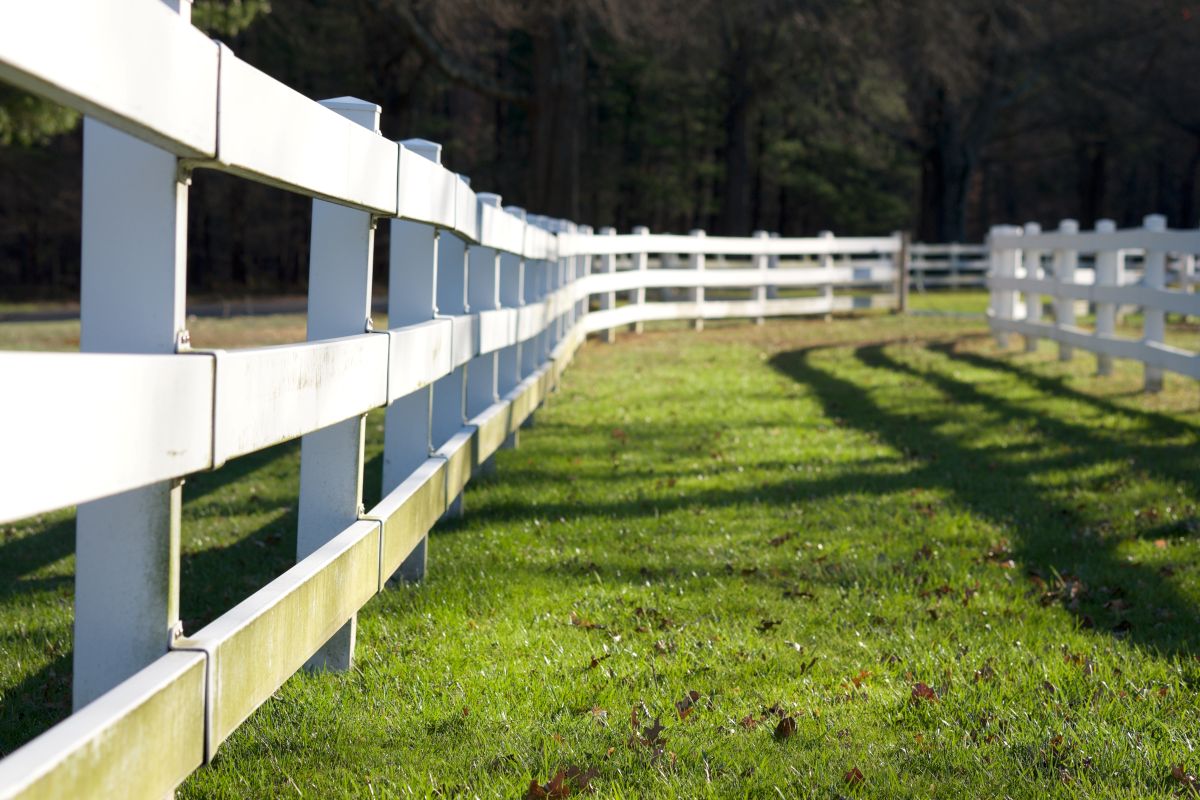
- Two rail designs typically stand around 36 inches tall and work well for marking boundaries and adding curb appeal
- Three rail designs usually run between 48 and 52 inches for more containment for pets and livestock
- Four rail configurations are also available for properties that want extra height, often around 52 inches
- Rail spacing and post height can be adjusted to match the property
5. A Practical Match for Larger Properties
Because this style is more budget friendly per linear foot than solid privacy fencing, it is a natural fit for homeowners with larger lots who need to cover more distance without taking on the cost of full enclosure.
6. Strong Resale and Curb Appeal Value
A well maintained post and rail fence adds visual interest and signals that a property has been cared for, which can make a real difference when it comes time to sell or simply welcome guests up the driveway.
Whether the priority is durability, cost, or simple curb appeal, this fence style checks a lot of boxes for homeowners across the region. Understanding these advantages makes it easier to decide whether this is the right fit before moving into material choices.
Choosing the Right Materials and Design Details
Once a homeowner decides this fence style fits their property, the next decision is which material and configuration will hold up best over time. There are a few options worth weighing before moving forward with a project.
- Treated Pine: An affordable option that stands up well to moisture when properly treated and maintained over the years.
- Cedar: Naturally resistant to rot and insects, cedar ages into a soft gray tone that many homeowners find appealing.
- Vinyl Post and Rail: Virtually maintenance free and holds its color for decades without staining or painting.
- Two Rail vs Three Rail: The number of rails affects both the look and how well the fence contains animals or defines a boundary.
Choosing between these options usually comes down to budget, how much upkeep a homeowner wants to take on, and how the fence will be used day to day. Posts matter just as much as rail material, since they carry the structural load of the entire fence line and are typically set with durable, rot resistant wood for lasting stability, even when the rails themselves are vinyl. A quick conversation with an installer can help match the right material and configuration to the property before any posts go into the ground.
Post and Rail vs Split Rail: Knowing the Difference
These two fence styles get mixed up often, and it is easy to see why. Both use horizontal rails and open post spacing, but the similarities end there once you look closer at appearance, materials, and function.
| Feature | Split Rail Fence | Post and Rail Fence |
| Appearance | Rustic, rough textured look that ages naturally over time | Cleaner, more polished finish while keeping rural charm |
| Material | Traditionally split cedar or locust logs | Clean cut lumber or vinyl for added refinement |
| Best For | DIY projects on larger, more rugged plots of land | Homeowners wanting more design flexibility and finish options |
| Function | More decorative than functional as a barrier | Better suited to defining boundaries and light containment |
| Customization | Limited shape and finish options | Wider range of colors, heights, and rail counts |
Knowing this distinction matters because the two styles serve different goals and appeal to different homeowners. A split rail fence tends to suit larger, more rural properties where a rugged, low cost look is the priority and containment is secondary, and it is typically installed at heights of 3 feet or 4 feet. A homeowner in Milford and surrounding areas who wants a more finished, customizable look, with the option of clean cut lumber or vinyl, usually finds post and rail to be the better fit for their property and their budget.

Frequently Asked Questions About Post and Rail Fencing
Here are some quick answers to the questions we hear most often from homeowners considering this fence style for their property.
How long does a post and rail fence last?
A well built fence made from treated lumber or vinyl can last several decades with only occasional maintenance, depending on the material chosen and local weather conditions.
Can this fence style keep pets contained?
A three rail design with tighter spacing can help contain larger dogs and livestock, though it is not the best option for smaller pets that can slip between the rails.
Is post and rail fencing more affordable than a privacy fence?
Yes, this style typically costs less per linear foot than a solid privacy fence because it uses fewer materials and requires less labor to install.
Do I need a permit to install one in New Hampshire?
Permit requirements vary by town, so it is worth checking with your local building department before starting a project in Milford and surrounding areas.
What is the difference between post and rail and split rail fencing?
Split rail has a rougher, more rustic look and functions mostly as a decorative boundary, while post and rail offers a cleaner finish with more material and design options.
Ready to Add a Post and Rail Fence to Your Property?
A post and rail fence gives homeowners a practical way to define their property while adding timeless curb appeal that fits right in with the character of Southern New Hampshire. Whether you are drawn to the natural look of treated wood or the low upkeep of vinyl, this style offers a dependable option that holds up for years to come without demanding constant attention. At Crowe Fence, we have helped homeowners across Milford and surrounding areas choose and install the right fence for their property, and we are happy to walk you through the options that make the most sense for yours. If you are ready to get started on your own project, contact us today and we will help you find the right fit for your yard.

Discover Our Built-To-Last Fence Solutions
Start Your Project!
"*" indicates required fields