


New Hampshire’s Fence Installation Experts
Bringing Style & Security to Your Front door
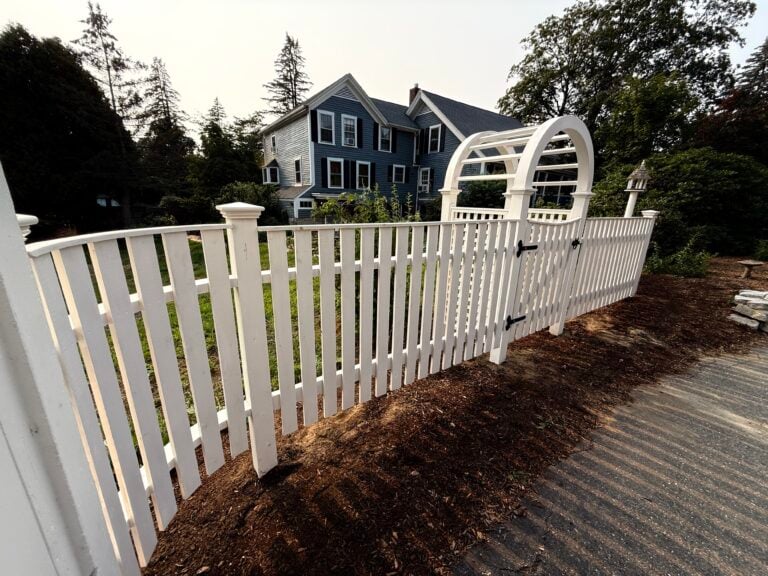
A fence isn’t just about marking your property—it’s about making a statement. A well-crafted, professionally installed fence boosts your home’s curb appeal and provides a clear boundary that enhances privacy. Beyond aesthetics, it offers security, helping keep what matters most to you safe. Whether it’s giving your kids and pets a secure place to roam or keeping uninvited guests out, the right fence delivers peace of mind.
-
 Financing Plans Available
 -
Fast Installation Times
-
Free Inspections
Long-Lasting Value You Can Count On
Choosing a high-quality fence is an investment in long-term value. Cheap materials or subpar installation can lead to costly repairs (or even total replacements) down the road. With Crowe Fence, you can trust that every fence we install is crafted to withstand time and weather. Our materials are tough, our techniques precise, and the result is a fence that not only looks fantastic but holds up under pressure.
Fence Quiz
Click a Thought To Find the Right Fence For You!
Choosing a fence doesn’t have to be overwhelming. Just click the thought that sounds like something you’d say and we’ll suggest the best fence for your property.
And if you already have something specific in mind that you don’t see here, bring us your ideas! Our experienced design team will work with you to create a custom fence that exceeds your expectations.

“I need a fence that protects my property and keeps it secure.”
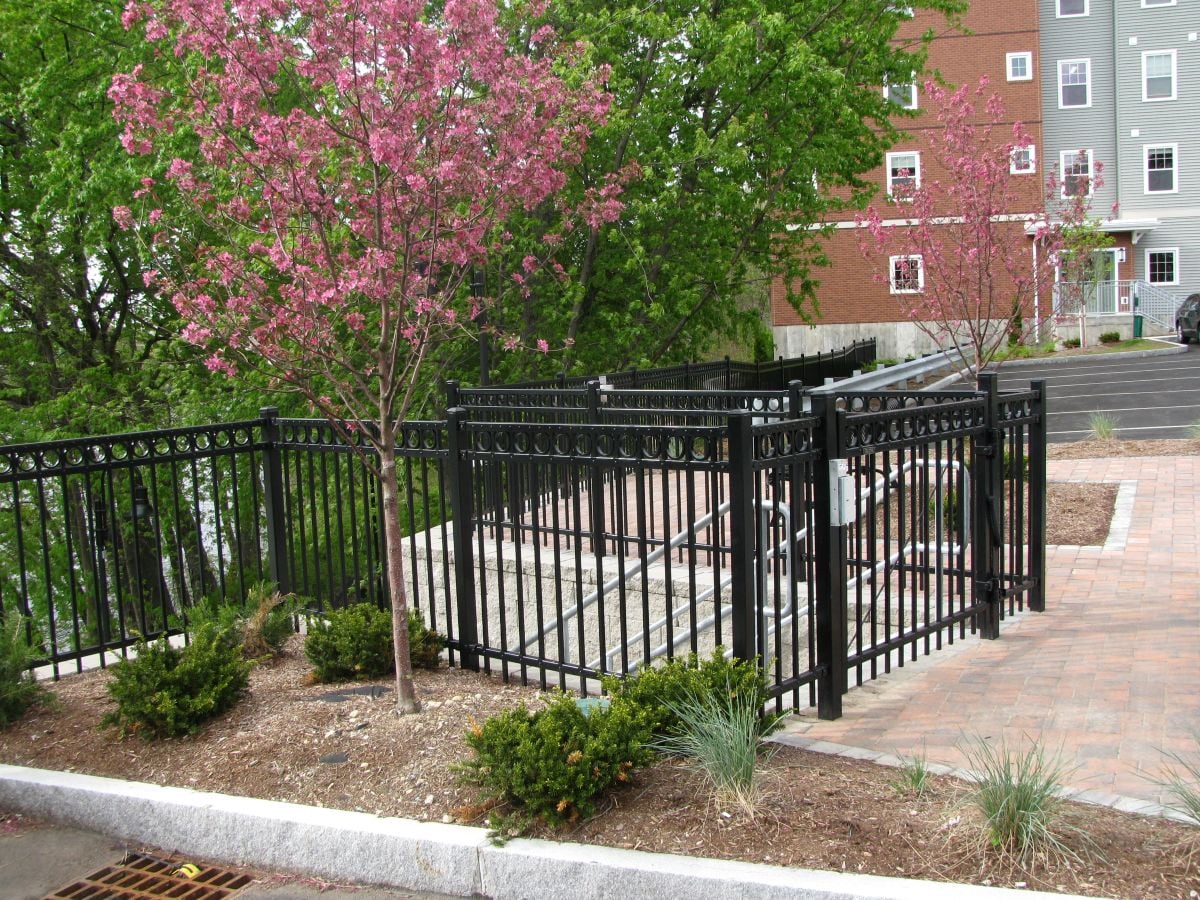
Ornamental Aluminum
An ornamental aluminum fence offers strong, reliable security without sacrificing style. Designed to create a durable perimeter while maintaining visibility, this option clearly defines your property and deters unwanted access. With its clean lines, low maintenance, and long-lasting performance, aluminum fencing is a smart solution for homeowners who want both protection and curb appeal.

Elegant, secure design
Low maintenance and long lasting

“I want a fence that enhances the look of my home or business.”
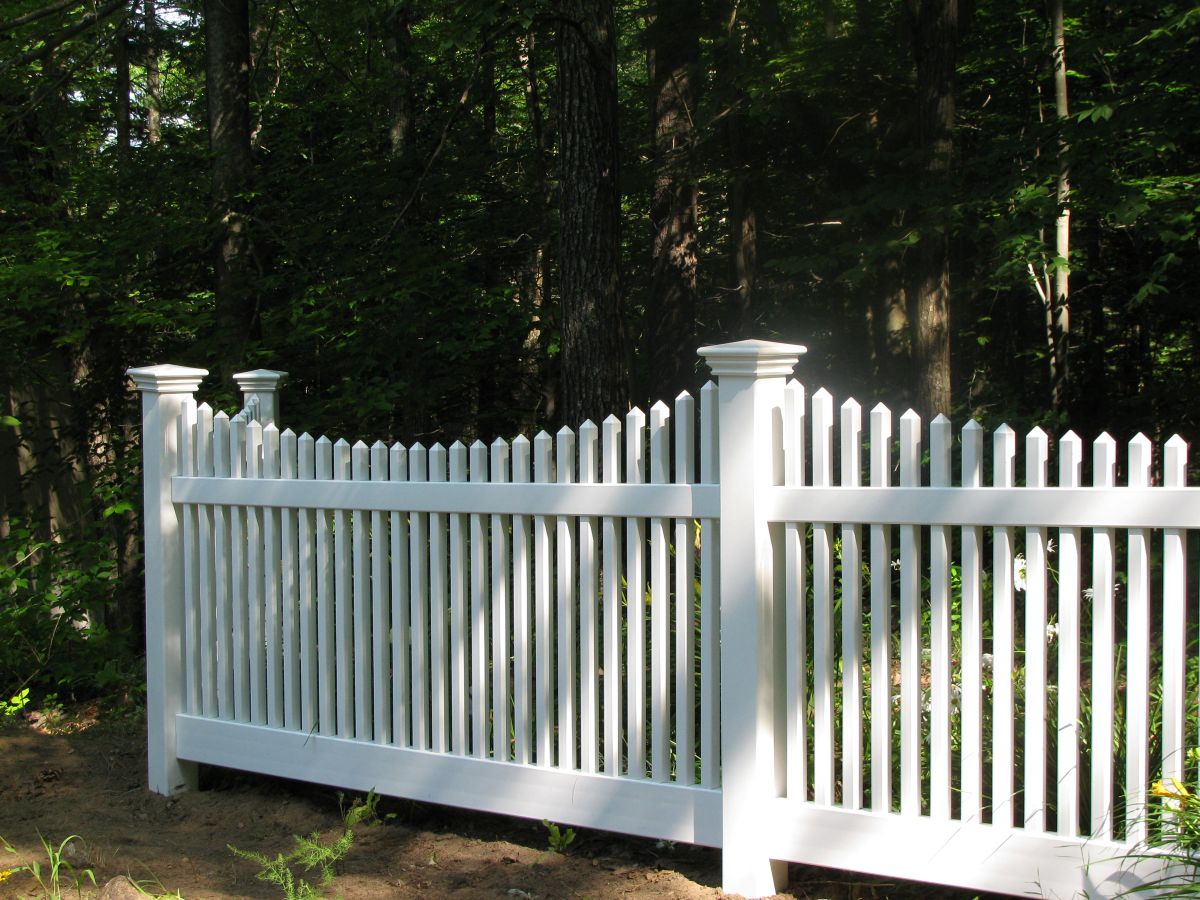
Vinyl
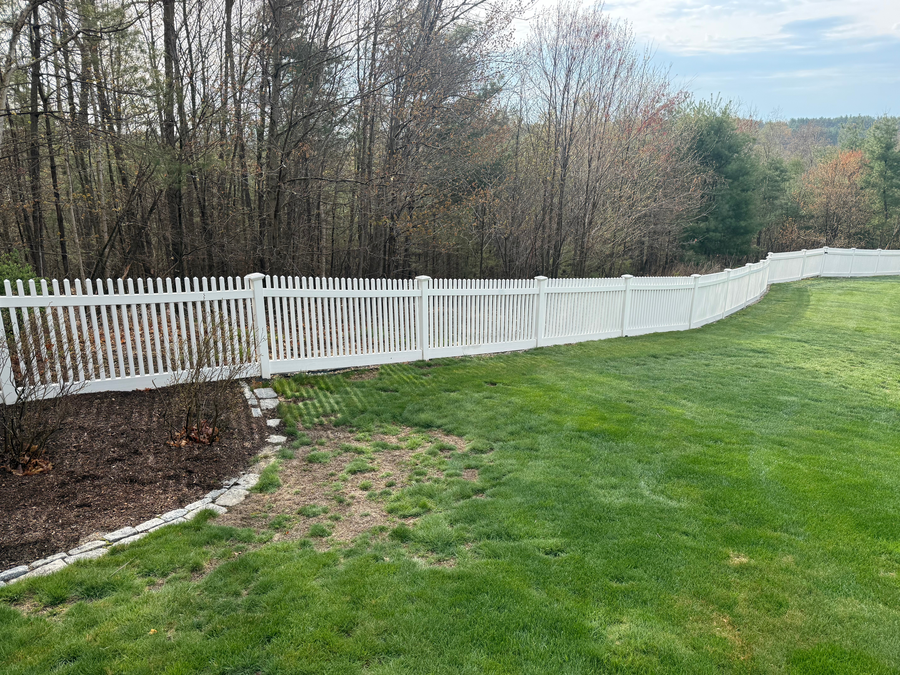
A vinyl fence adds clean lines, polished curb appeal, and long-lasting beauty to your property. Available in a variety of colors and styles, vinyl fencing offers a modern, low-maintenance solution that elevates your home or commercial space while still providing privacy and durability. It’s an ideal choice for property owners who want their fence to make a statement.
Clean, modern curb appeal
Durable and low maintenance

“I need a fence that keeps my pool area safe and secure.”
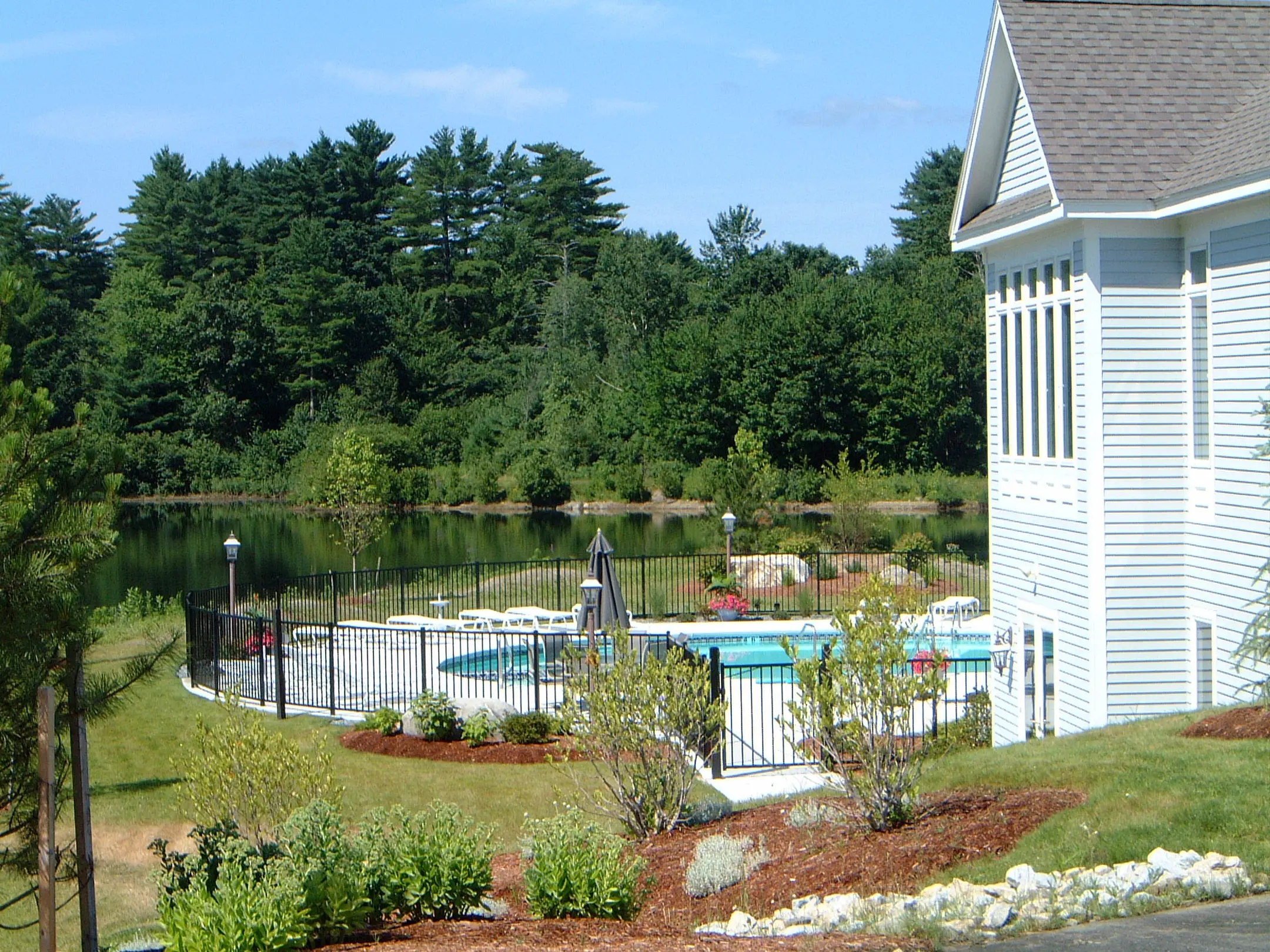
Ornamental Aluminum
An ornamental aluminum fence is a popular and code-compliant solution for pool enclosures. It provides clear visibility, strong perimeter protection, and a clean, upscale look that complements your backyard. Durable and low maintenance, aluminum fencing helps keep children and pets safe while enhancing your outdoor space.
Strong and stylish protection
Rust-resistant performance

“I need a safe, reliable fence for my horses or livestock.”
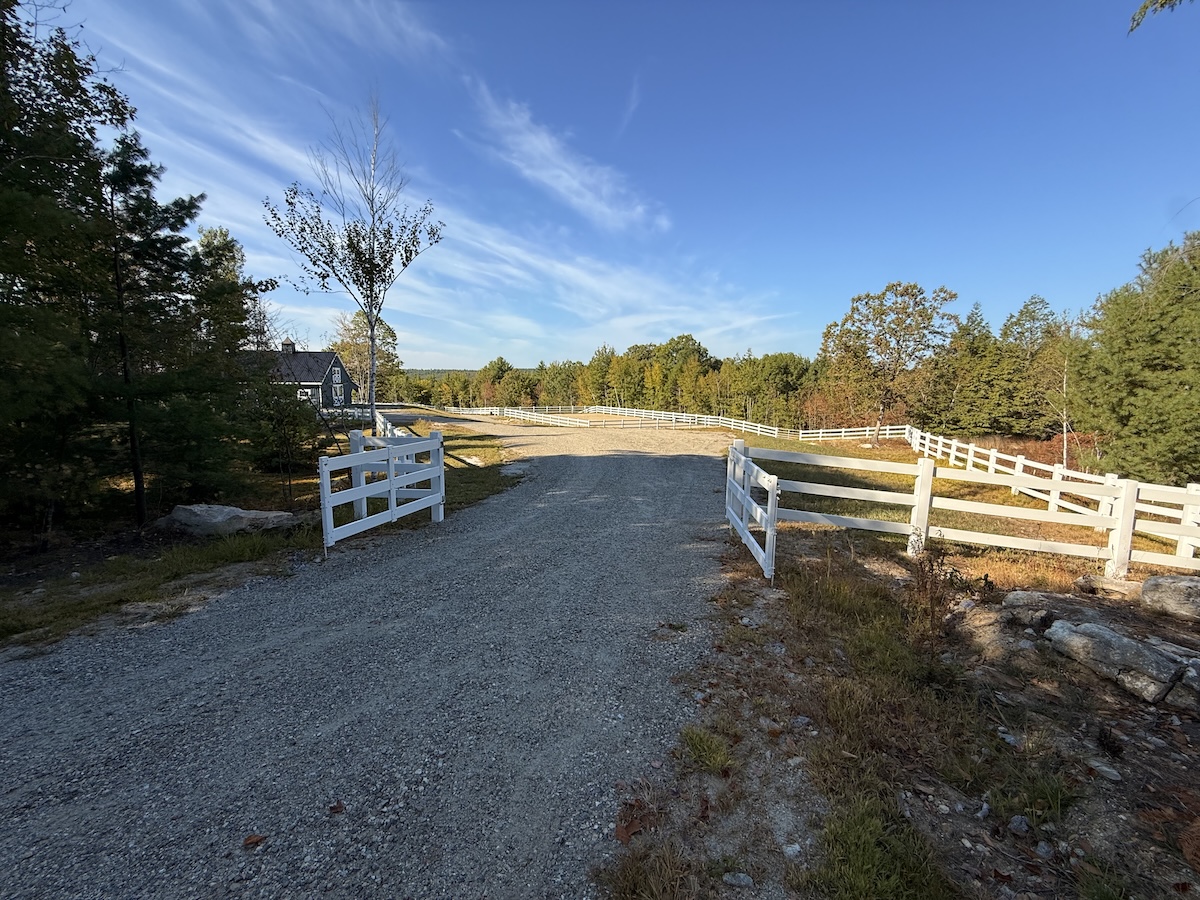
Wood
We install a range of equine fencing systems tailored to paddocks, driveways, and larger acreage properties. A frequently selected option is our 3- or 4-rail HDPE fencing system.
This style provides clear visual boundaries for horses while offering a smooth rail surface and structural flexibility under impact. Unlike traditional wood fencing, HDPE rails do not splinter, rot, or require ongoing painting. The result is a clean, defined perimeter that holds up well in New England conditions and offered in several colors.
Classic, natural appearance
Strong and dependable construction

“I need a fence to keep my dog safely in the yard.”
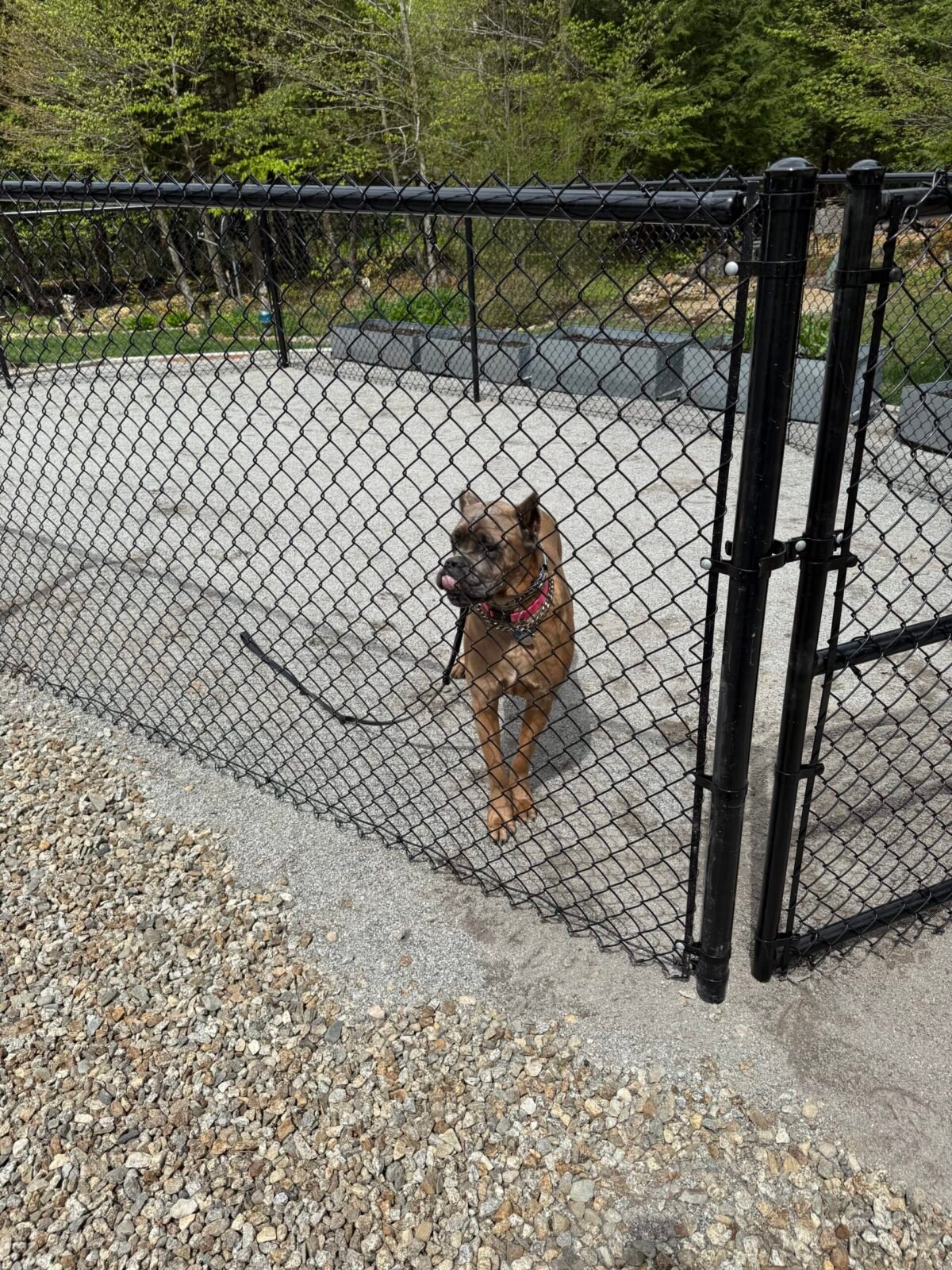
Chain Link
A chain link fence is a practical, durable solution for keeping dogs secure while maintaining visibility around your yard. Available in galvanized or black vinyl-coated options, chain link fencing provides strength, reliability, and low maintenance — making it a smart choice for pet owners who want peace of mind.
Secure and dependable enclosure
Durable and built to last

“I need fencing for livestock or large property boundaries.”
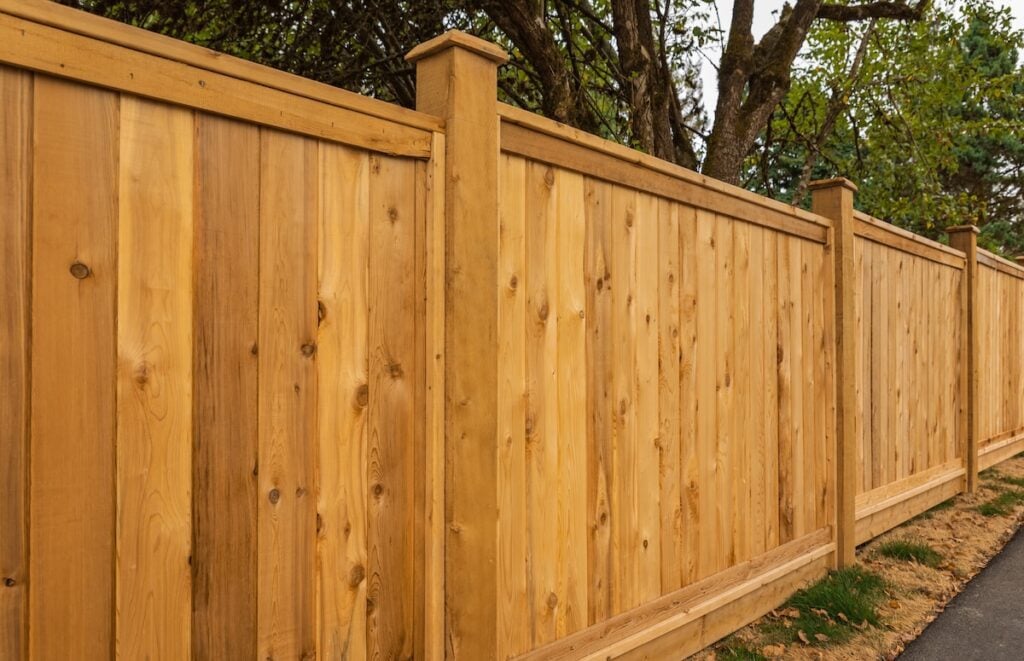
Field Fence
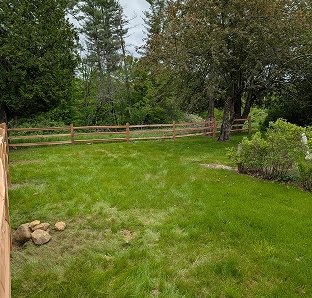
For large properties and livestock containment, field fence is a practical and cost-effective solution. This system combines woven wire mesh with wood or driven steel posts to create a durable perimeter suited for open land and uneven terrain.
Field fencing works well for cattle, sheep, and mixed livestock applications. It allows visibility while maintaining secure containment across long property runs. Post spacing and mesh selection can be adjusted based on animal type and site conditions.
Ideal for Large Acreage
Flexible on Uneven Terrain
Scalable for Long Property Lines
Our Materials

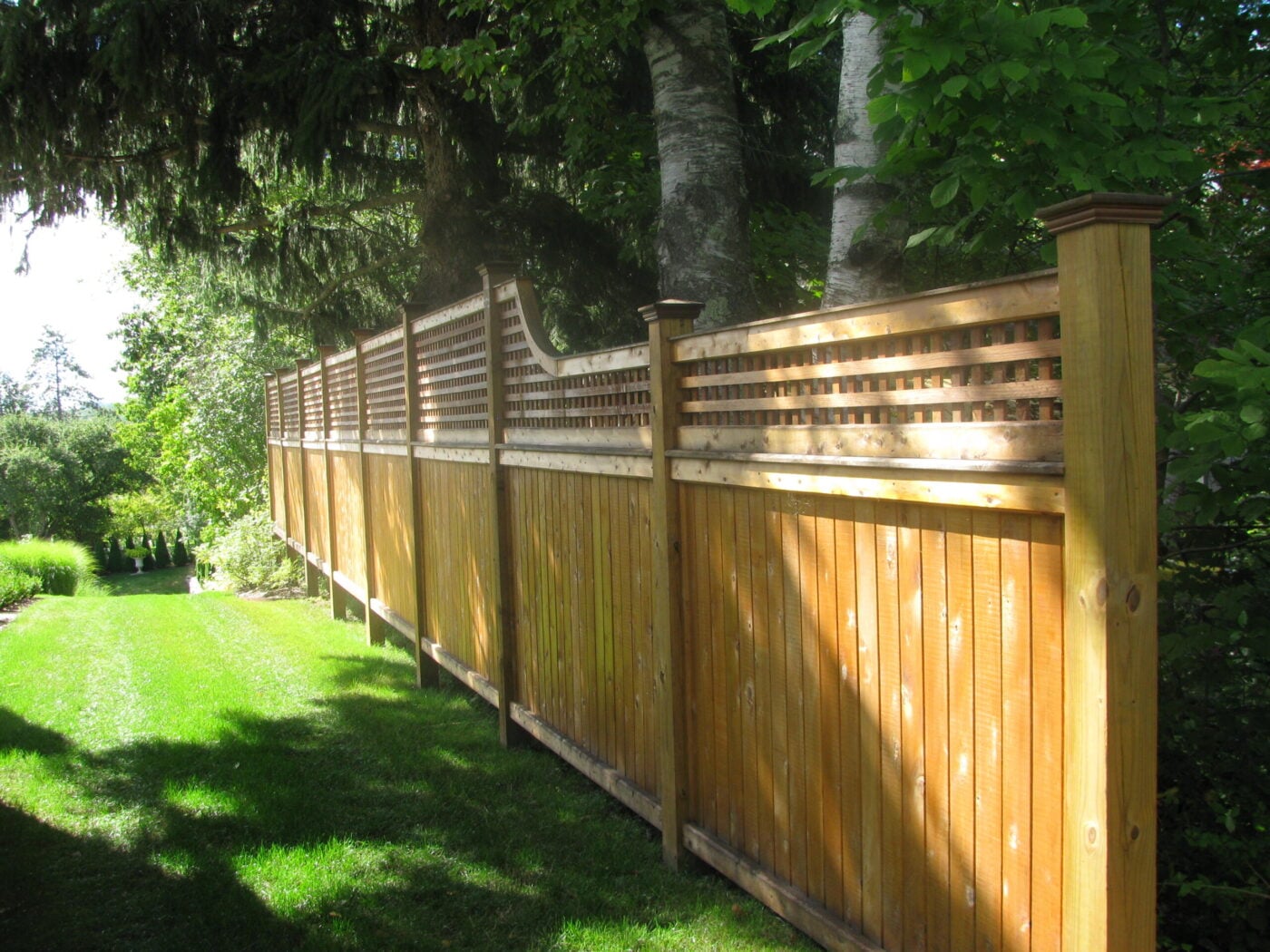
Wood
Nothing says “cool classic” like an all-wood fence. With its natural warmth and timeless character, wood complements everything from historic homes to newer builds. It’s a great choice when you want full backyard privacy, decorative curb appeal, or a customizable design that can be painted or stained to match your exterior. Wood never feels trendy. It simply feels right.
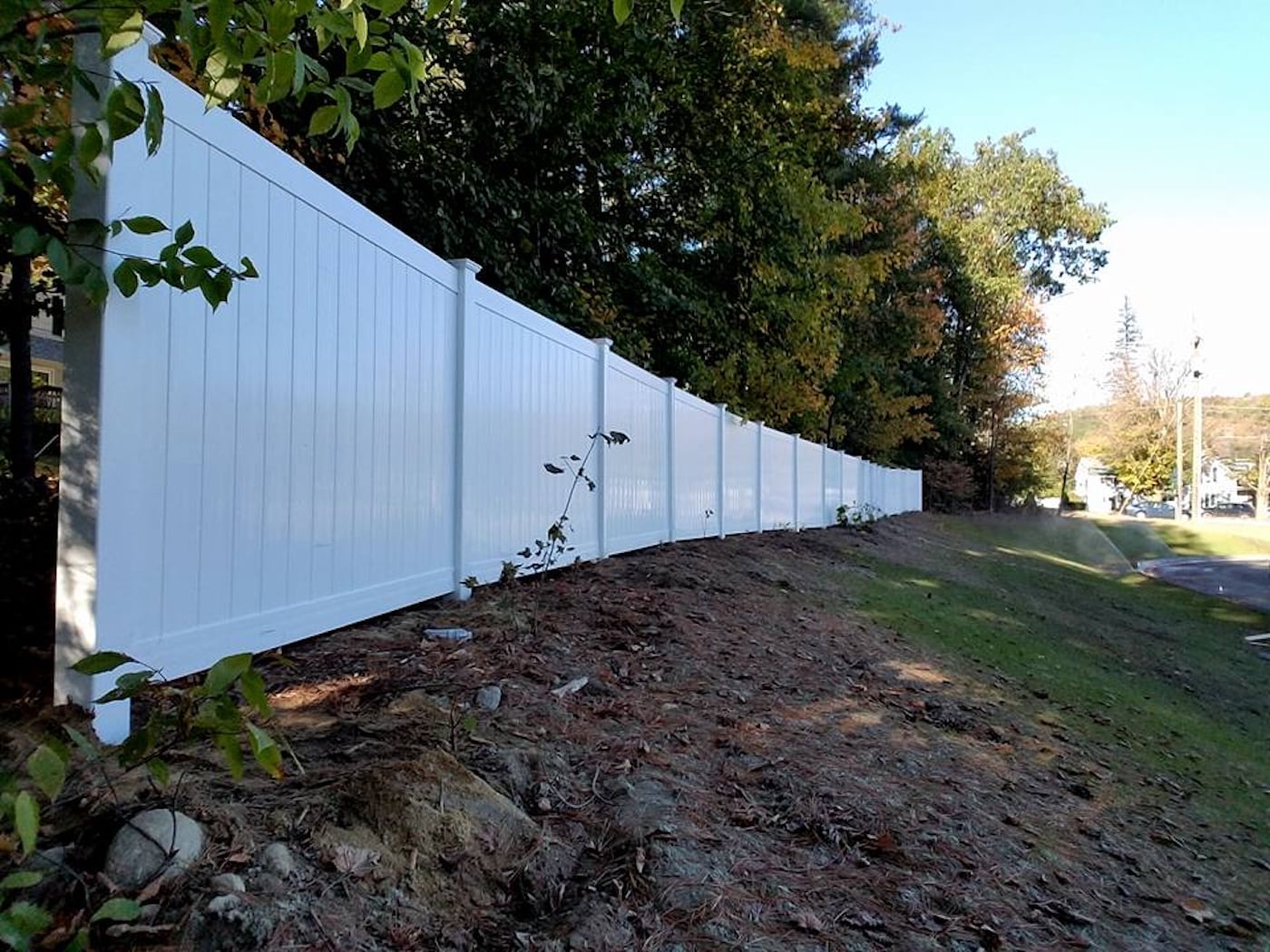
Vinyl
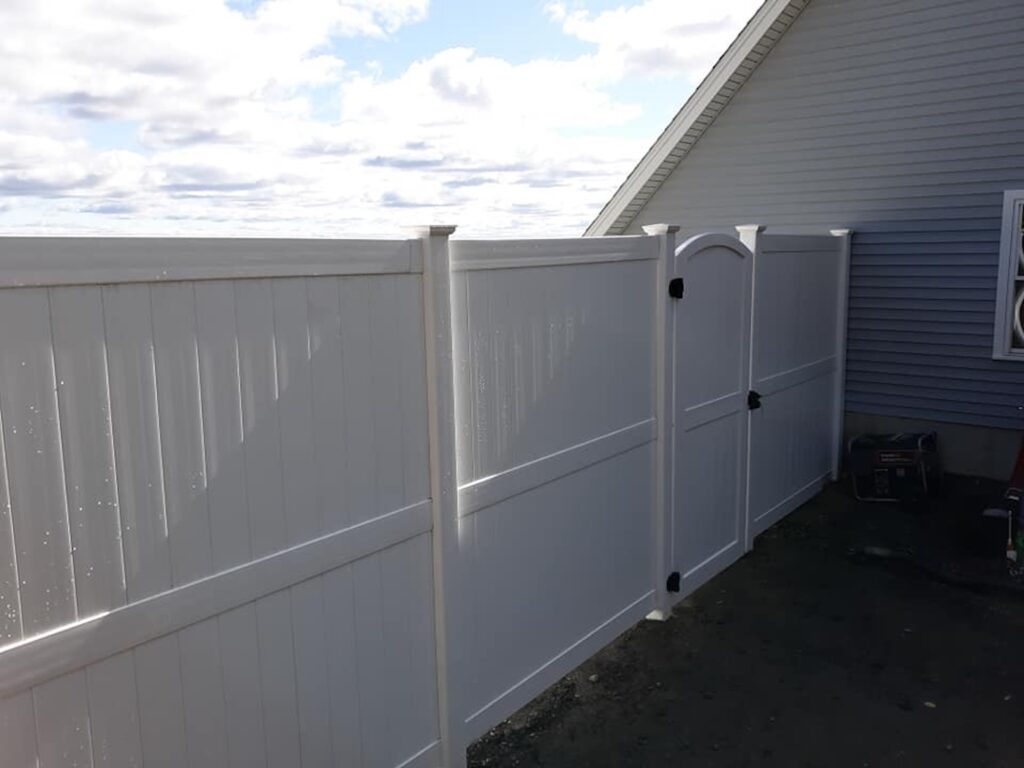
Vinyl fencing is easy to care for and built for long-term durability. It’s an excellent option when you want minimal maintenance, clean, modern curb appeal, or a privacy fence that won’t require staining or painting over time. Available in a variety of finishes and styles, vinyl delivers a polished look that stays consistent season after season.
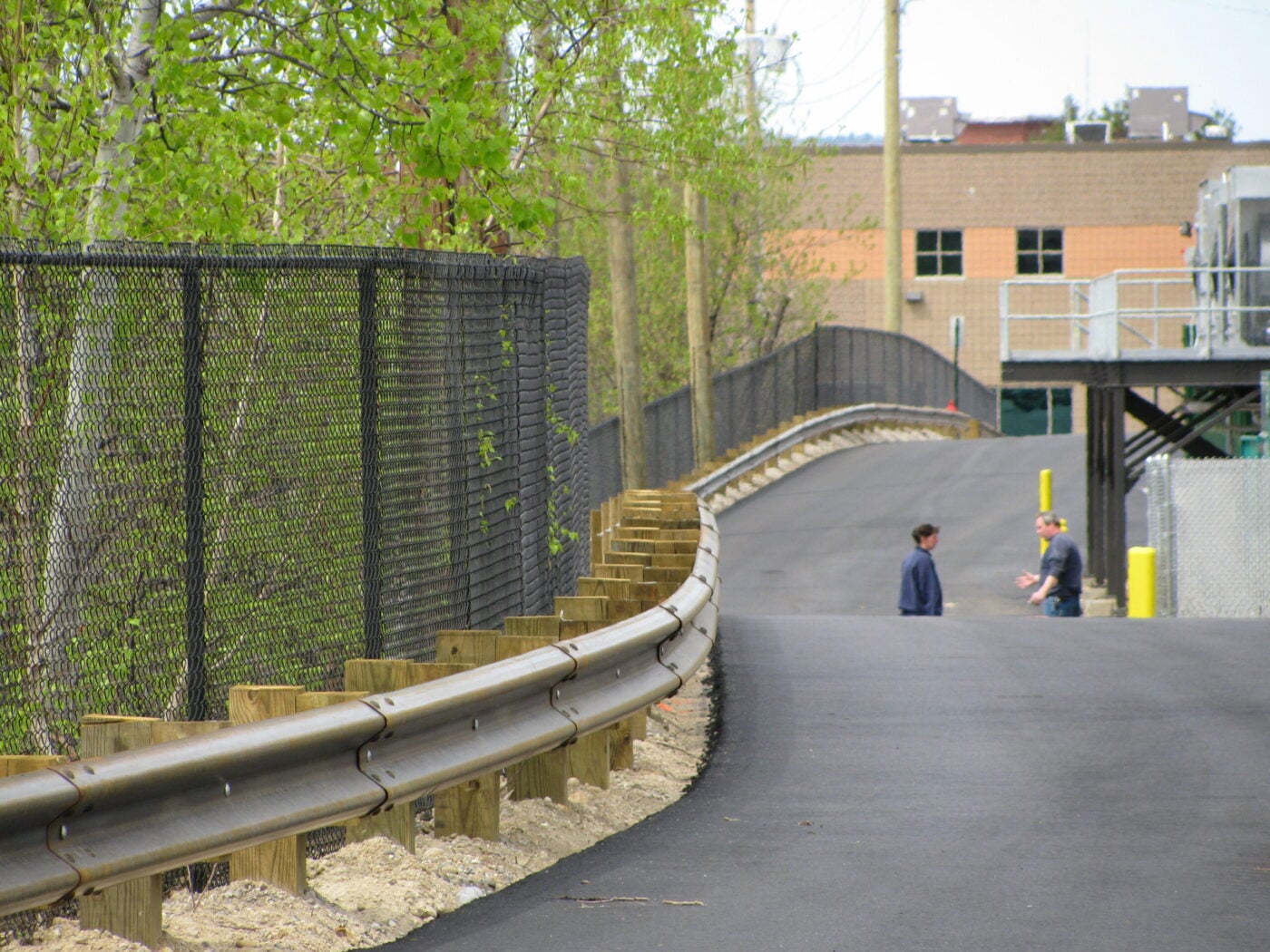
Chain Link
Keep it simple and effective with chain link fencing that delivers reliable security without unnecessary cost. It’s a smart choice when you need budget-friendly perimeter protection, clear visibility across your property, or a durable solution for large areas and utility spaces. Strong, practical, and low maintenance, chain link gets the job done with straightforward performance.

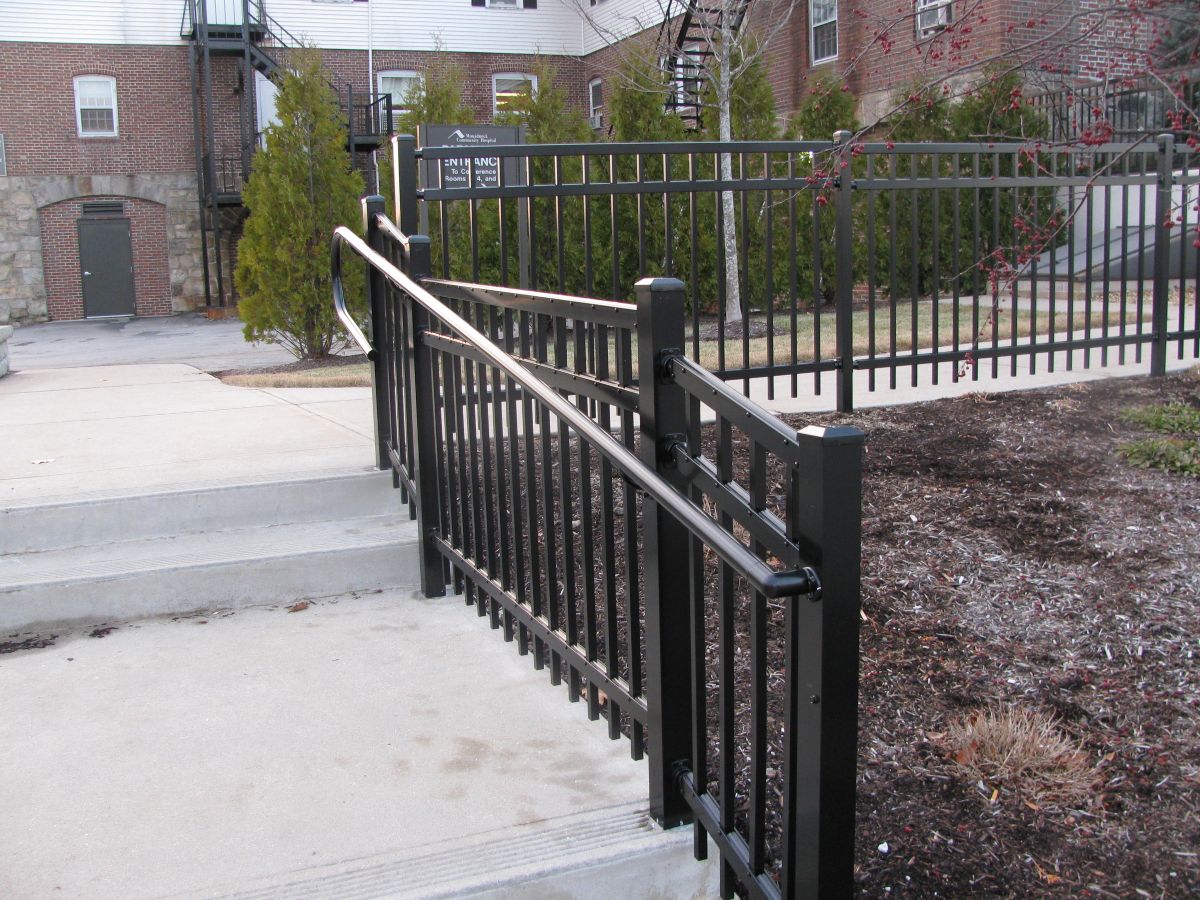
Ornamental Aluminum
We’ve selected high-quality ornamental aluminum fence systems that balance durability with refined design. It’s an excellent choice when you want elegant front-facing curb appeal, secure boundaries without blocking visibility, or a low-maintenance alternative to wrought iron. Rust-resistant and built for long-term performance, ornamental aluminum delivers strength and timeless style without the upkeep.
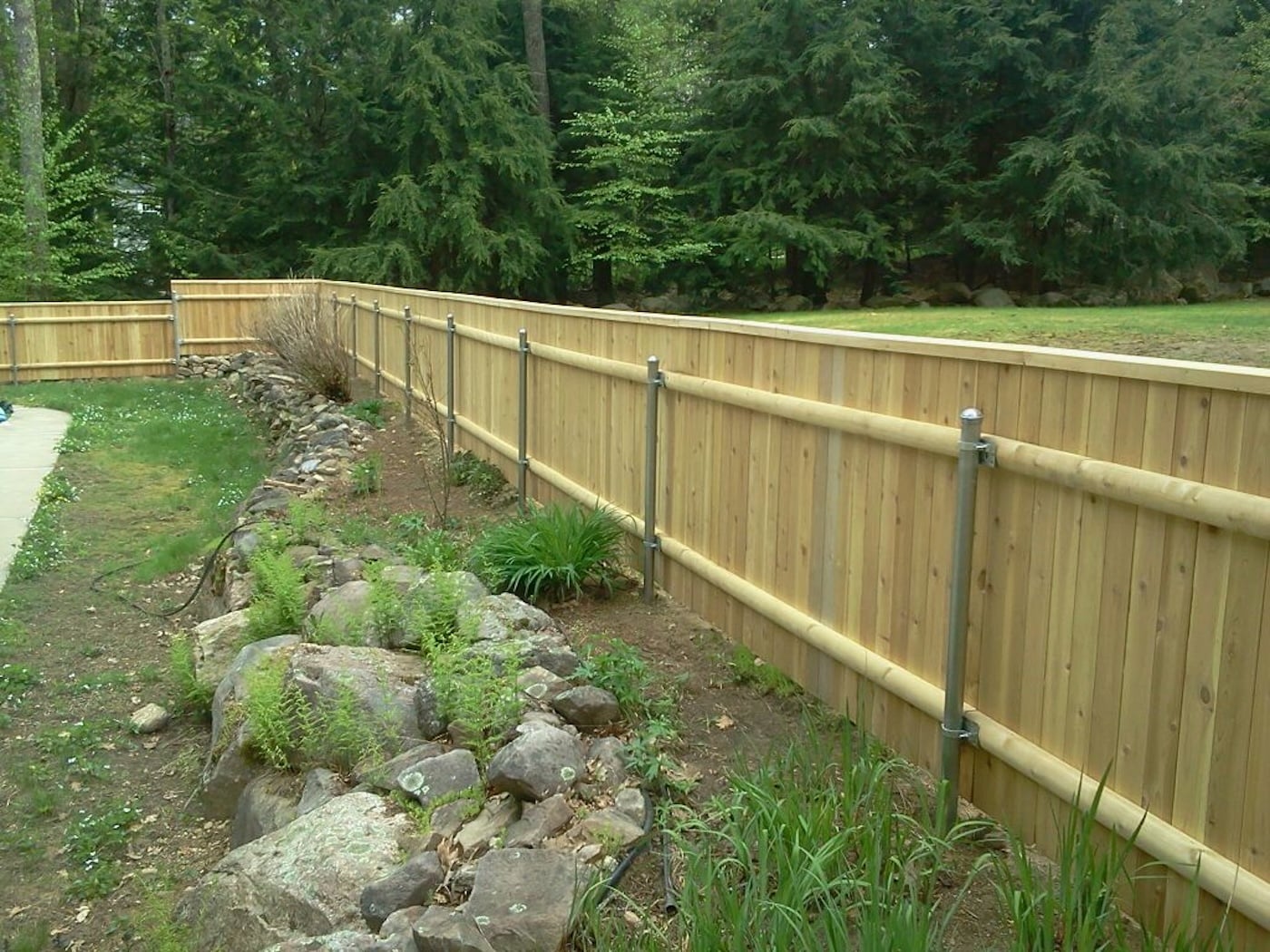
Fence Damage? Let’s Fix It.
We make fence repairs simple, professional, and dependable. Submit a repair request to get started with a prompt evaluation from our full-time crew.
Our Pros Do It Better.
Sure, DIY might seem tempting, but there’s no substitute for expert craftsmanship. Our professional installers bring years of experience and know-how to every project, ensuring your fence is installed right the first time. From precision alignment to seamless finishes, we take care of every detail—and you reap the benefits of a fence that’s as functional as it is beautiful. Looking to level up your property? Reach out to Crowe Fence today and get started on your perfect fence installation.
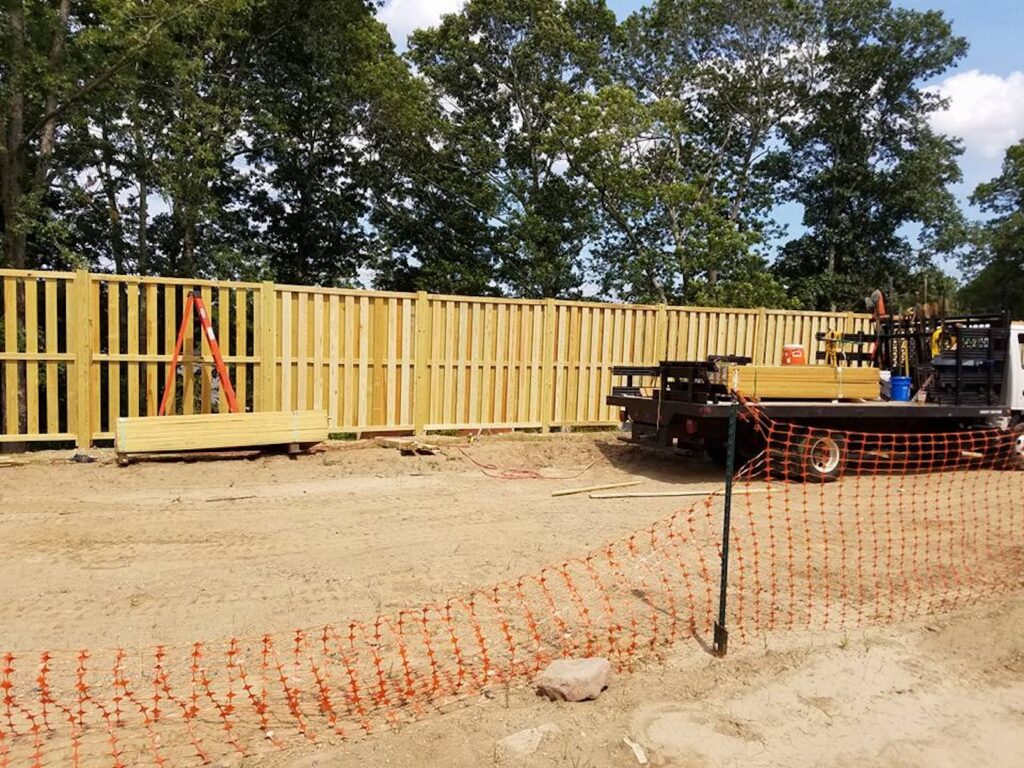
We’re A True New Hampshire Company
When you’re a local, you just get it. You get the community, you get the style, and you get the heart that goes into building a New Hampshire home. And here at Crowe? We really do get it. We’ve been serving New Hampshire residents for more than 40 years, providing them with fences that help each neighborhood look – and feel – it’s best.
See What Our Clients Say
The selection and the prices here are so much better than any of the large hardware stores. The customer service is also superior, they really treat you like family.
KG
Kevin G


Very responsive to our needs and so helpful. Our hinge was replaced quickly and efficiently.
EA
Elaine A
The staff at Crow were a pleasure to work with, helping to make the project a smooth process.
NB
Nathan B
The crew were beyond great and helpful , quick, and cheerful Mr. Crowe’s improvement over my ideas, makes it a handsome good design, and greatly appreciated by all.
KM
Kyra M
Professional, on-time, quality installation of excellent materials. Customer Satisfaction was top priority. Highly recommend.
DP
David P
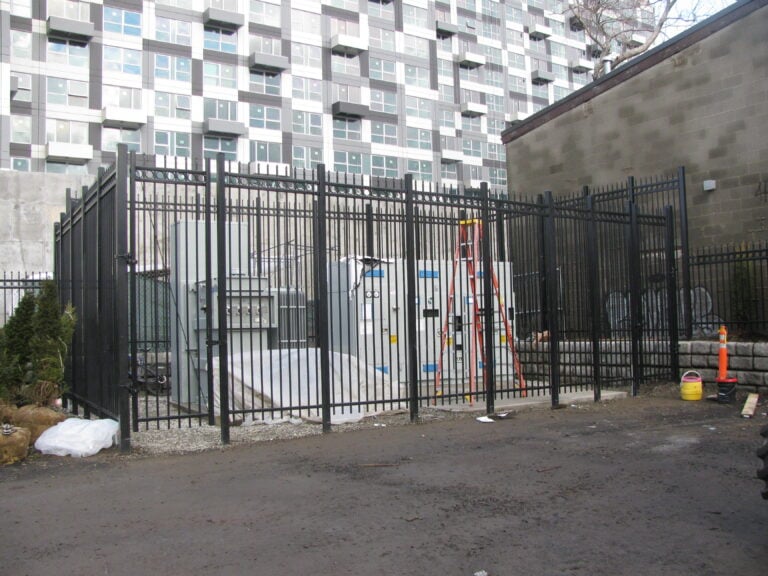
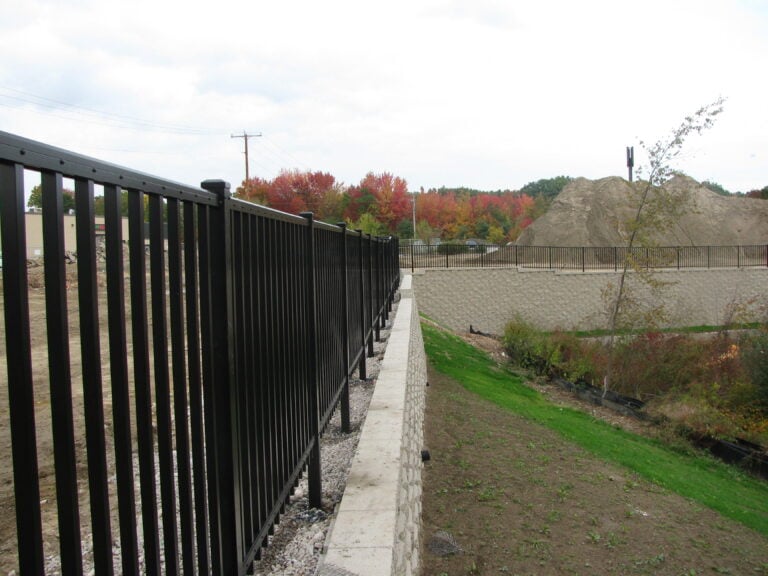
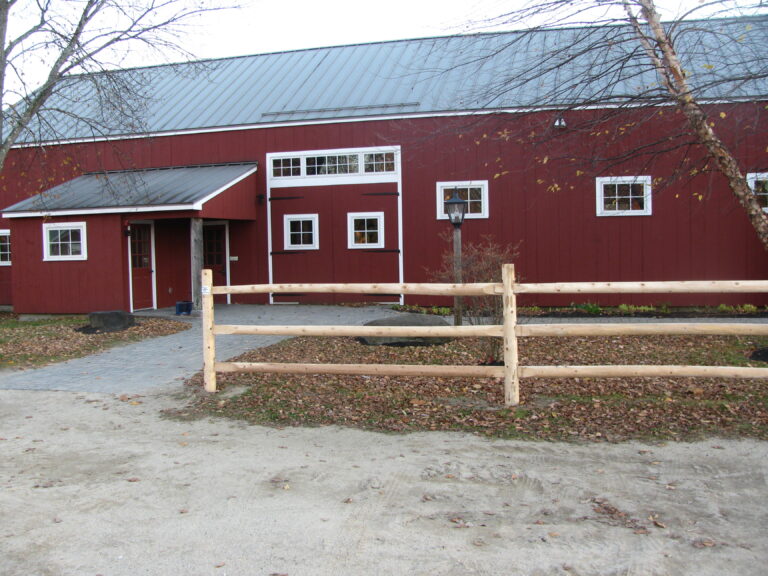
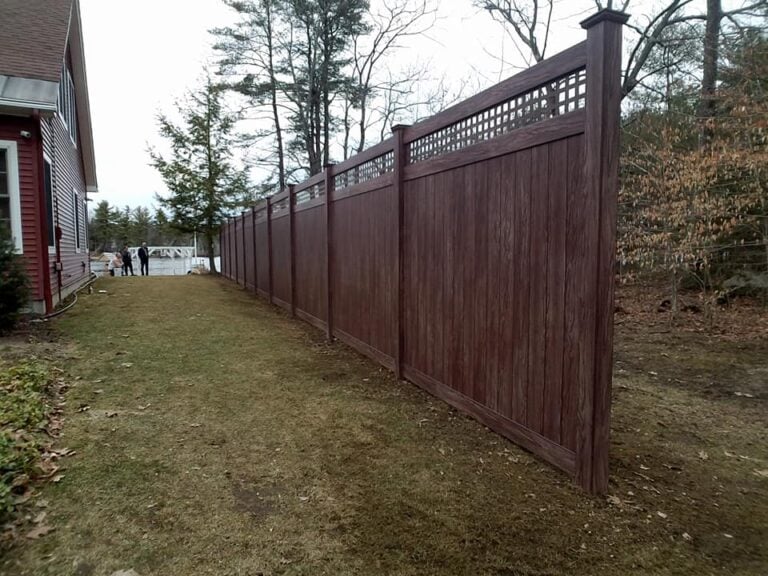
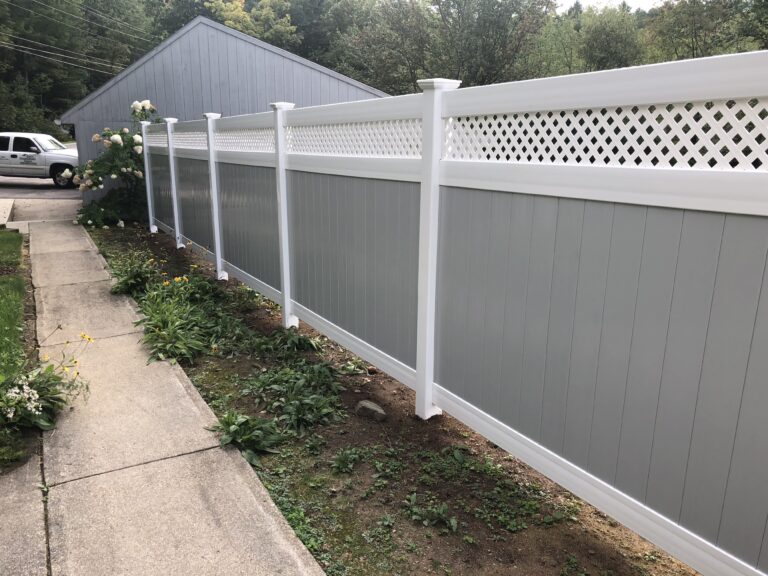
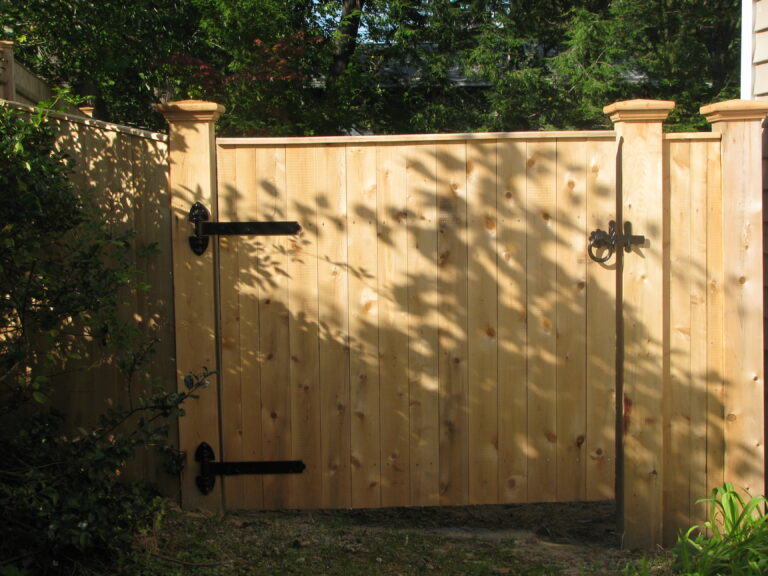
Check Out Our Recent Projects


FAQs
Frequently Asked Questions
Do you offer warranties on your fences?
Yes, we stand by the quality of our craftsmanship and materials. Most of our fences come with manufacturer warranties, and we provide an additional satisfaction guarantee for our installations. Feel free to ask for more details when you contact us!
What types of fencing materials do you offer?
We install a wide range of fencing materials for residential, commercial, and agricultural properties. The right choice depends on appearance, maintenance preferences, and performance needs.
Wood – Traditional and highly customizable. Available in privacy, picket, post-and-rail, and decorative styles.
Vinyl & PVC – Low-maintenance and clean in appearance. Ideal for privacy fencing, pool enclosures, and equine rail systems.
Aluminum – Rust-resistant and refined. Commonly used for pool fencing, decorative perimeters, and upscale residential properties.
Chain Link – Functional and cost-effective for residential or commercial applications. Available galvanized or black vinyl-coated, with optional privacy slats.
Mixed-Material Systems – We also build hybrid configurations, including:
-Modern PVC infill with steel or aluminum framing
-Wood framing with welded wire or mesh backing
-Vinyl fencing topped with aluminum balusters or lattice accents
If you’re unsure which material is best for your property, we’ll review the pros and tradeoffs and recommend a solution based on your goals and site conditions.
How long does the fence installation process take?
The timeline for fence installation depends on the size and type of your project. Most residential installations can be completed in a few days, while larger or custom designs may take longer. We’ll provide a detailed timeline during your consultation.
Recent Articles
Learn The Facts About Your Fence!

Discover Our Built-To-Last Fence Solutions
Start Your Project!
"*" indicates required fields