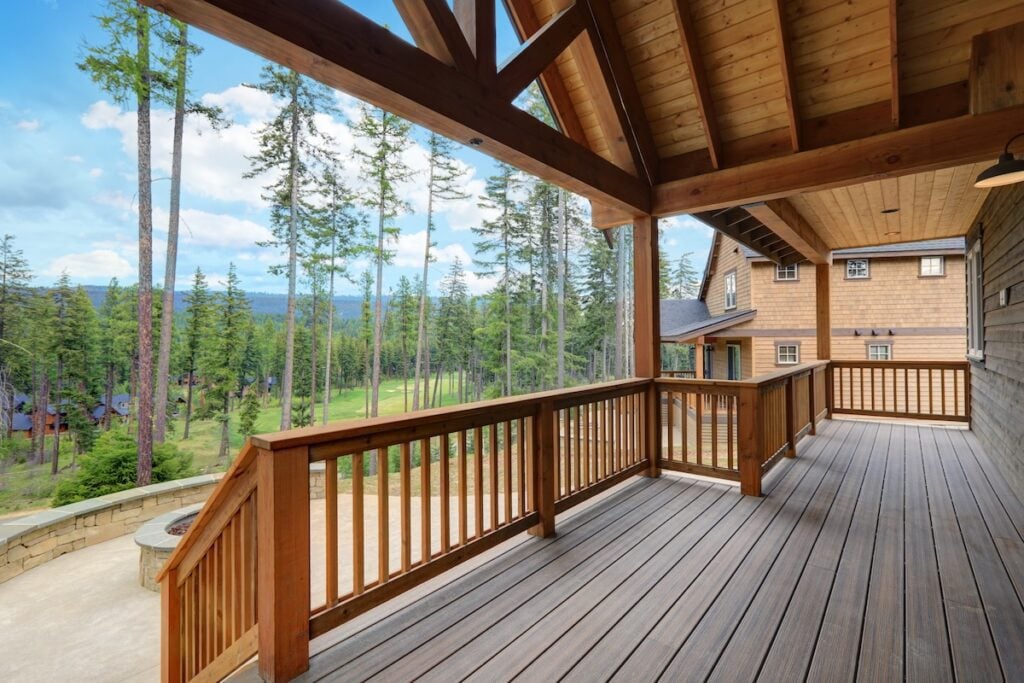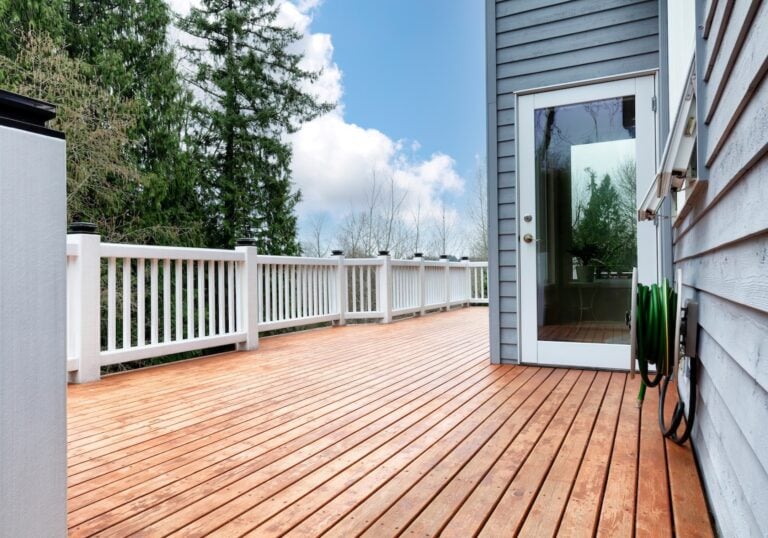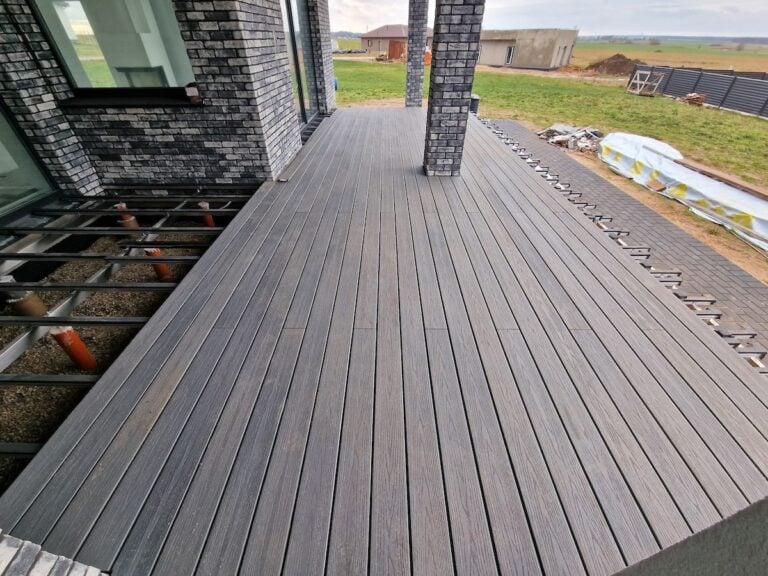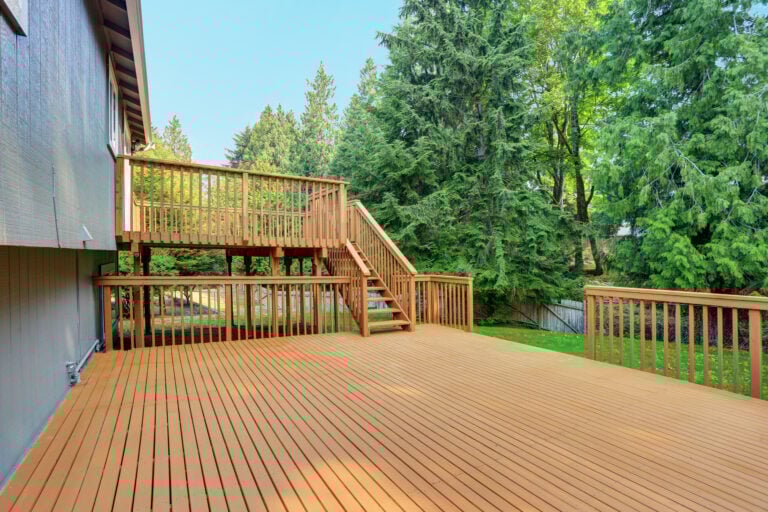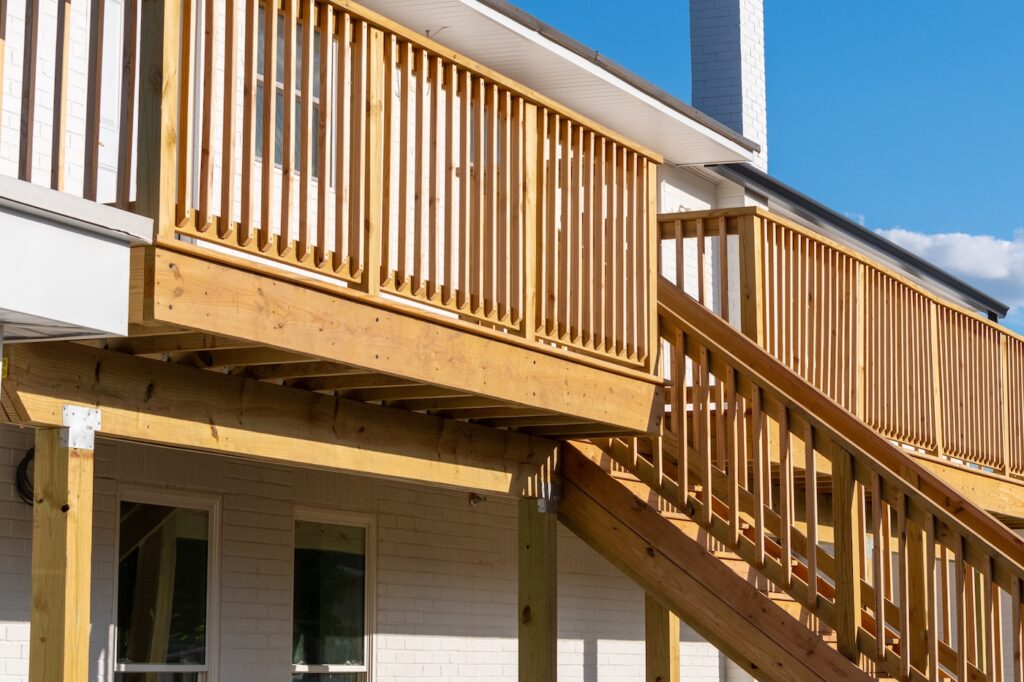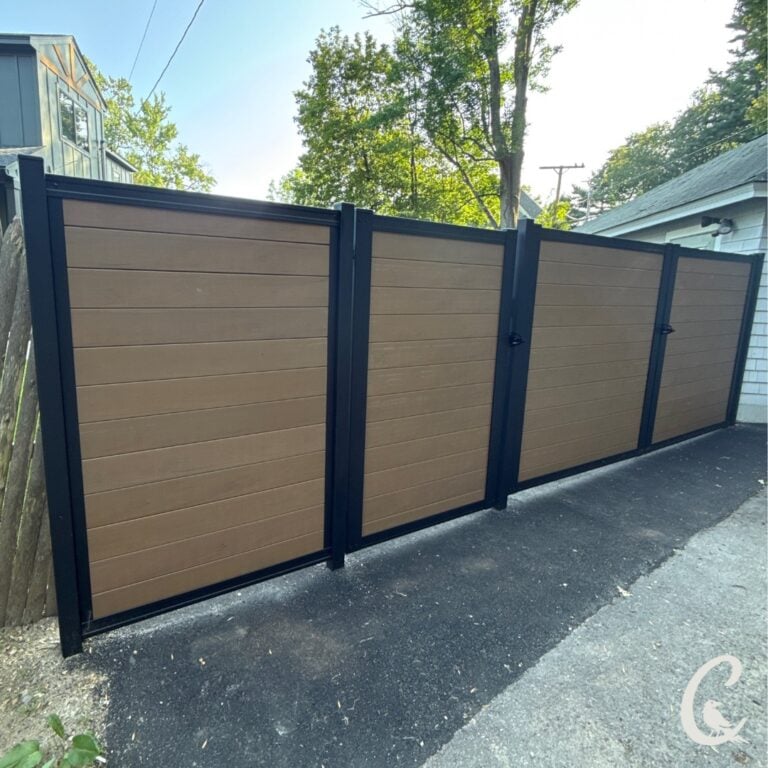
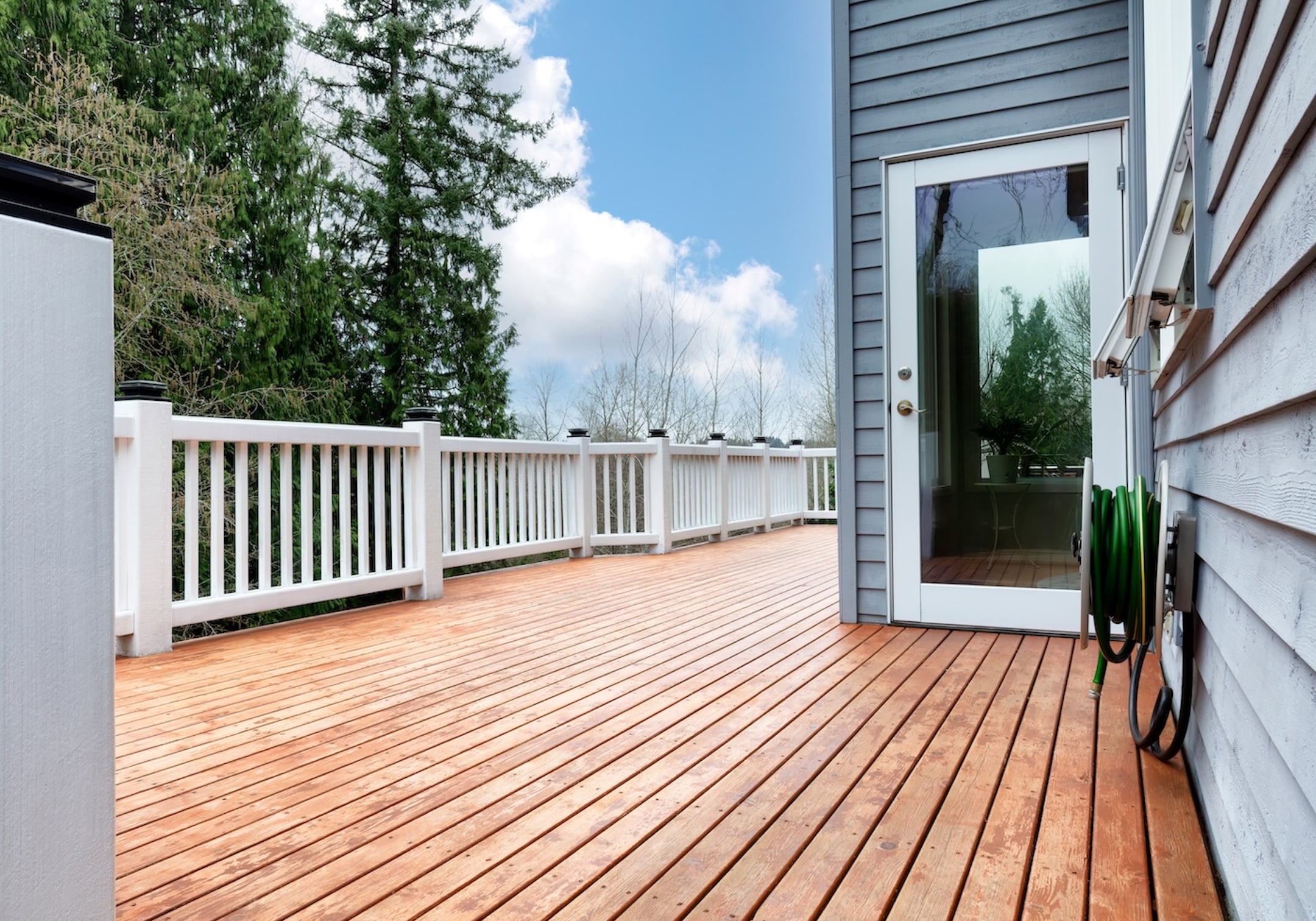
A well-built deck adds value, beauty, and outdoor living space to any home. For homeowners in Amherst and surrounding areas, modern composite decking has become one of the most popular choices for creating durable, low-maintenance decks that look great year after year. Unlike traditional wood, composite materials resist rot, warping, and insect damage, making them an excellent investment for New England’s changing weather conditions.
If you’re exploring your options for materials, colors, and design, you can easily find inspiration while reviewing the full selection available on our decking page, where we showcase beautiful and durable solutions for every style and budget.
Here’s what you’ll learn in this homeowner’s guide:
- Why composite decking has become the go-to choice for modern homes
- A detailed, step-by-step guide to successful installation
- Tools and materials you’ll need to get started
- Tips for achieving professional-quality results
- Long-term maintenance advice to keep your deck looking its best
Why Choose Composite Decking for Your Outdoor Space?

Composite decking offers the perfect blend of appearance and practicality. It captures the warm, natural beauty of wood while eliminating many of the challenges that come with maintaining traditional lumber.
Here are the top reasons homeowners are choosing this material:
- Exceptional Durability: Composite boards are made from a mix of recycled wood fibers and plastic polymers, creating a material that resists warping, cracking, and splintering even after years of exposure.
- Low Maintenance: You’ll never have to sand, stain, or paint your deck. Simple washing with soap and water keeps it looking new.
- Weather Resistance: Composite materials stand up to moisture, UV rays, and temperature changes far better than natural wood, which means no fading, rotting, or insect damage.
- Design Flexibility: Available in a wide range of colors, textures, and finishes, composite decking can complement any architectural style—from classic to contemporary.
- Eco-Friendly Choice: Many composite brands use recycled materials, helping reduce environmental impact without compromising performance.
Investing in composite decking ensures you get a deck that not only looks stunning but also stands the test of time with minimal effort.
7 Step Guide To Install Composite Decking
Installing composite decking may look similar to wood decking at first glance, but there are a few key differences that ensure long-lasting quality and performance. Whether you’re building a small backyard retreat or a large entertainment area, following the proper process is essential.
1. Plan and Design Your Deck
Every successful project begins with a solid plan. Start by measuring your outdoor space and determining how you want the deck to function.
Consider:
- Deck size, layout, and traffic flow
- Sun exposure and shading needs
- Entry points such as stairs or doors
- Railing or privacy screen placement
Be sure to check local building codes and obtain any necessary permits before construction begins.
2. Gather Tools and Materials
Having the right equipment makes installation smoother and more precise.
You’ll need:
- Circular saw or miter saw (with a fine-tooth blade)
- Power drill and bits
- Tape measure and carpenter’s square
- Level and chalk line
- Spacers and fasteners (specific to composite decking)
- Safety gear: gloves, eye protection, and hearing protection
Materials include:
- Composite decking boards
- Pressure-treated lumber for framing
- Joist hangers and deck screws
- Hidden fastener system (optional but recommended)
3. Prepare the Foundation and Frame
Just like a home, your deck’s strength begins with its foundation. A solid frame ensures stability and prevents sagging over time.
- Use pressure-treated lumber for joists and support beams.
- Set posts securely in concrete footings to prevent movement.
- Confirm joists are spaced properly—most composite decking requires 16-inch on-center spacing, but always verify manufacturer guidelines.
- Ensure the frame is square and level before moving forward.
Taking time to prepare a sturdy, well-aligned base will make the rest of the installation much easier.
4. Install the Ledger Board
If your deck attaches to your home, you’ll need a ledger board to connect the structure securely.
Key steps:
- Remove any siding or trim where the board will be attached.
- Use lag screws or bolts to anchor it into the house framing, not the sheathing.
- Add flashing above the board to prevent water infiltration.
A properly installed ledger board ensures structural safety and prevents moisture from damaging your home’s foundation.
5. Lay Out and Secure the Decking Boards
Now comes the fun part—installing your composite decking boards.
- Start from the house and work outward.
- Use spacers to maintain consistent gaps between boards for drainage and expansion.
- Follow manufacturer recommendations for board direction, as some have a grain pattern that should all face the same way.
Fastening Options:
- Hidden fasteners: Create a smooth, nail-free surface for a polished look.
- Top-down screws: Use color-matched composite screws for visible but subtle attachment.
Make sure to leave expansion gaps where boards meet railings, walls, or other structures to accommodate temperature changes.
6. Trim Edges and Add Finishing Touches
Once all boards are secured, trim any overhang with a circular saw for a clean, professional finish.
Enhance your deck with:
- Fascia boards to cover framing and exposed ends
- Decorative trim for a refined appearance
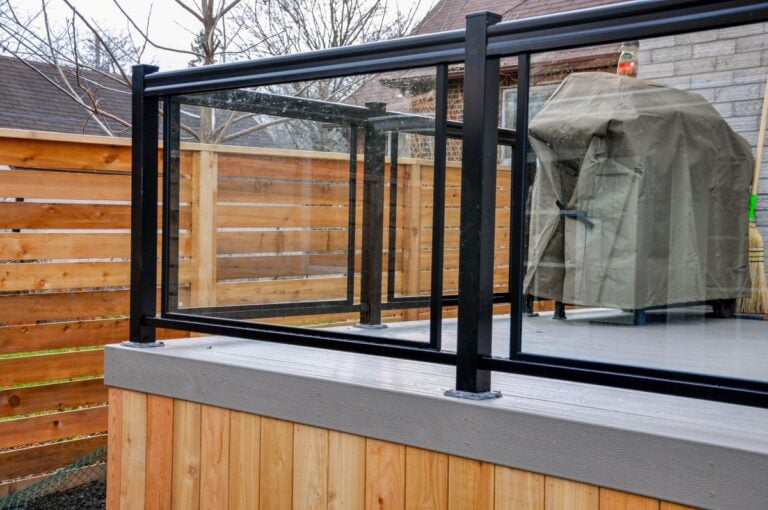
- Matching railings, steps, or privacy panels
Taking time to finish the details ensures your deck looks cohesive and complete.
7. Inspect and Clean
Before relaxing on your new deck, do a thorough check to ensure everything is secure and aligned. Sweep away debris and give the surface a light wash to remove any sawdust or dirt.
Your deck is now ready for furniture, décor, and outdoor enjoyment!
Design Tips for an Eye-Catching Composite Deck

Beyond structure, design plays a big role in how your deck enhances your outdoor living space.
Color Coordination
Choose tones that complement your home’s exterior.
- Gray or slate boards for a contemporary style.
- Warm browns for a natural, traditional look.
- Multi-toned boards to mimic the appearance of real wood grain.
Pattern and Layout Options
Composite decking offers flexibility for unique layouts:
- Diagonal: Adds dimension and directs the eye outward.
- Picture frame: Borders the deck with contrasting color boards for elegance.
- Herringbone: Creates visual interest and a high-end feel.
Railing and Lighting
Add character and safety with matching or contrasting railings. Incorporate solar or LED deck lighting for ambiance and extended usability at night.
Built-In Features
For added comfort and style, consider built-in seating, planters, or storage benches. These elements can be seamlessly integrated with composite materials.
Thoughtful design details elevate your deck from a simple platform to a cohesive outdoor retreat.
Maintenance and Care for Long-Lasting Beauty
Composite decking is known for being low-maintenance, but a few simple practices will help preserve its beauty and longevity.
Regular Cleaning
- Rinse with a hose to remove dirt and pollen.
- Use a mild soap and soft brush for deeper cleaning.
- Avoid harsh chemicals or pressure washers, which can damage the surface.
Seasonal Inspections
- Check fasteners and joints for tightness.
- Clear debris from between boards to maintain drainage.
- Trim nearby plants to prevent scratching or staining.
Prevent Surface Damage
- Use protective mats under grills and furniture.
- Avoid dragging heavy items across boards.
- Clean up food or grease spills promptly to prevent marks.
With minimal effort, your composite deck will retain its color, texture, and strength for decades—something traditional wood simply can’t match.
Comparing Composite Decking to Other Materials
If you’re still deciding whether composite decking is the right choice, here’s a quick comparison with other popular materials to help you weigh your options.
| Material | Maintenance | Durability | Cost | Appearance | Longevity |
| Composite | Very low | Excellent | Moderate-High | Wide variety | 25–30+ years |
| Wood | High | Moderate | Lower upfront | Natural, warm | 10–15 years |
| PVC | Very low | Excellent | Higher | Sleek, modern | 30+ years |
| Pressure-Treated Lumber | Moderate | Moderate | Budget-friendly | Traditional | 10–20 years |
Composite decking strikes a balance between cost, performance, and beauty, making it a top choice for homeowners who value both aesthetics and practicality.

The Installation of Composite Decking
Installing composite decking is a rewarding project that adds lasting beauty and value to your home. With the right materials, planning, and attention to detail, you can create a comfortable outdoor living area that your family will enjoy for years to come.
Whether you’re taking the DIY approach or working with professionals, the key is to start with quality products and expert guidance. Crowe Fence & Deck Supply proudly serves homeowners in Amherst and surrounding areas, helping bring backyard visions to life with trusted materials, skilled installation, and years of expertise.
If you’re ready to transform your outdoor space with a durable, stylish deck, contact us today to schedule a consultation. The team at Crowe Fence & Deck Supply will walk you through every step—from choosing the perfect materials to completing your installation—so you can enjoy a stunning, low-maintenance deck built to last.