


Wire Fence Explained: Uses, Benefits and Installation
Wire fencing is one of the most versatile, cost-effective, and durable fencing solutions available for homeowners, landowners, and businesses alike. Whether you’re securing a garden, outlining a large property, or protecting animals, a well-installed wire fence can provide the function and performance you need. If you’re weighing your options, be sure to explore other popular choices featured throughout our overview of fencing materials to compare what’s best for your property.
- Key reasons homeowners choose wire fencing for security and containment
- Types of wire fencing and where each one works best
- Step-by-step look at the installation process
- Tips to maximize durability and performance long-term
- How Crowe Fence & Deck Supply helps with custom wire fencing in Nashua and surrounding areas
Why Wire Fencing Is a Practical Choice for Homeowners
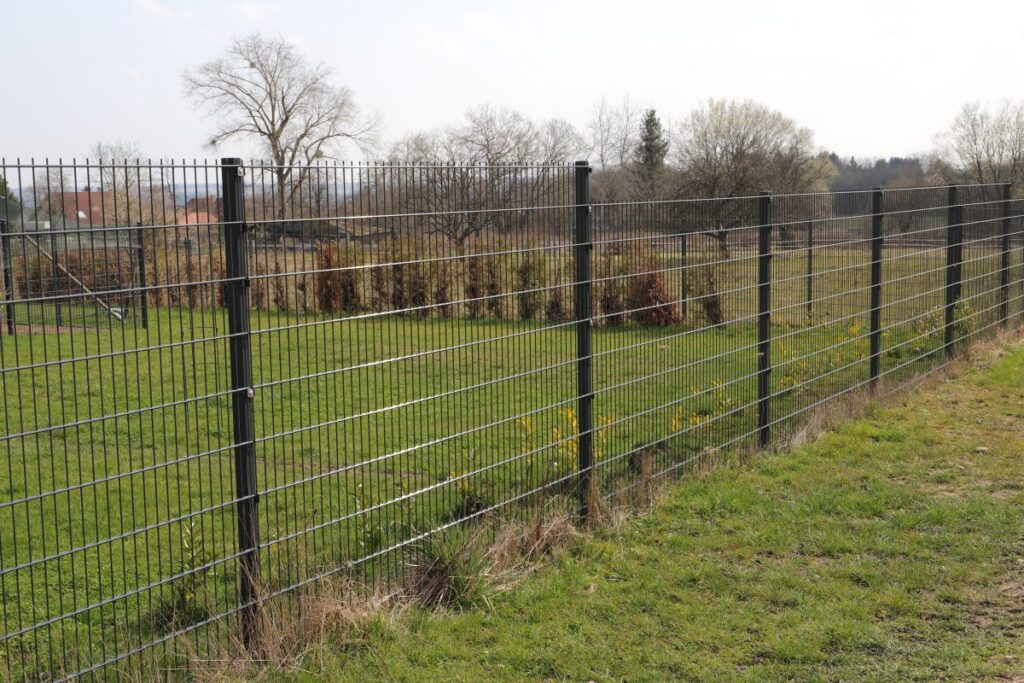
Wire fencing has long been a staple on farms and rural properties, but it’s now a go-to option for suburban and residential homeowners as well. Its appeal lies in its flexibility, functionality, and affordability—especially in communities like Nashua and surrounding areas where property sizes and uses vary widely.
- Cost-Effective: Compared to wood or vinyl, wire fencing offers a more affordable upfront cost while still offering reliable performance.
- Low Maintenance: Galvanized or coated wire resists rust and decay, making it easy to maintain over time with minimal upkeep.
- Multi-Purpose Use: From garden enclosures to pet containment to perimeter fencing, it adapts to various property needs.
- Durable Construction: When properly installed, wire fencing stands up to wind, snow, and seasonal temperature changes common in New Hampshire.
- Visually Subtle: Unlike solid fences, wire fencing blends into the background—especially valuable for preserving open views.
5 Key Steps to a Successful Wire Fence Installation
While wire fencing may seem straightforward, proper planning and installation are crucial to ensuring longevity and effectiveness. Below is a breakdown of what goes into the process.
1. Determine the Fence’s Purpose
The first step is deciding what you need the wire fence to do.
- Contain pets or livestock? Choose height and strength accordingly.
- Define property lines? Prioritize appearance and alignment.
- Keep pests out of a garden? Look for tighter mesh and low-ground coverage.
Clarity on your goal helps you select the right wire type and fence design.
2. Choose the Right Type of Wire Fence
There are several types of wire fencing available, each with specific advantages:
- Welded Wire: Rigid and good for gardens or decorative enclosures.
- Woven Wire: Flexible and durable, ideal for livestock or large areas.
- Chain Link: Popular in residential areas for pet containment or boundaries.
- Barbed Wire: Common on farms for livestock, but typically avoided in suburban areas.
- Electric Wire: Used for high-security or controlled livestock fencing.
Choosing the right material ensures that your fence performs as expected.
3. Mark the Layout and Prepare the Site
Use string, flags, or stakes to outline the fence line before digging.
- Mark gate locations and corners clearly.
- Check property lines with a survey or official site plan.
- Remove rocks, shrubs, or debris along the path to ensure proper tensioning.
This prep work prevents issues during installation and ensures a straight, clean result.
4. Install Fence Posts Securely
Posts are the backbone of your wire fence. Setting them correctly is essential.
- Use pressure-treated wood or steel T-posts depending on fence type.
- For corners and gates, use sturdier posts and set them deeper.
- Space line posts based on wire strength—typically 6 to 10 feet apart.
- Concrete footing is recommended for long-term stability, especially in colder climates.
Proper post installation prevents sagging or leaning as the fence settles over time.
5. Attach and Tension the Wire
Once posts are set and secure, wire can be unrolled and attached.
- Start at one corner and unroll wire along the length of the fence line.
- Attach with fencing staples (wood posts) or wire clips (metal posts).
- Use a fence stretcher or come-along tool to apply even tension.
- Double-check that wire is tight but not overly strained to avoid snapping or shifting.
Correct tensioning maintains the fence’s form and function, especially during wind or pressure.
Enhancing the Performance of Your Wire Fence

Even with the best installation, a few extra steps can improve both the longevity and usability of your wire fence.
Reinforce the Bottom Line
Small animals, erosion, or lawn equipment can compromise the bottom edge.
- Bury wire 6–12 inches for pest prevention.
- Use landscape edging to create a clean barrier between fence and lawn.
- Add kickboards if installing wire fencing with wood frames for extra strength.
Install Gates with Durable Hardware
A flimsy gate can undermine the entire structure.
- Choose galvanized steel or pressure-treated wood for framing.
- Use self-closing hinges or gravity latches for safety.
- Make sure gate width suits your intended access needs, whether it’s foot traffic or equipment.
Use Coated or Galvanized Wire for Longevity
Not all wire is created equal.
- Galvanized wire resists rust even in humid or snowy climates.
- Vinyl-coated options offer extra protection and a more polished look.
- Avoid bare steel or low-quality imports that may degrade quickly.
Maintain Tension Over Time
Check tension at least once per season.
- Natural soil shifts and temperature changes can loosen wire.
- Re-tighten sagging sections using a turnbuckle or stretcher.
- Replace broken clips or staples promptly to avoid further issues.
Comparing Wire Fence Options Side-by-Side
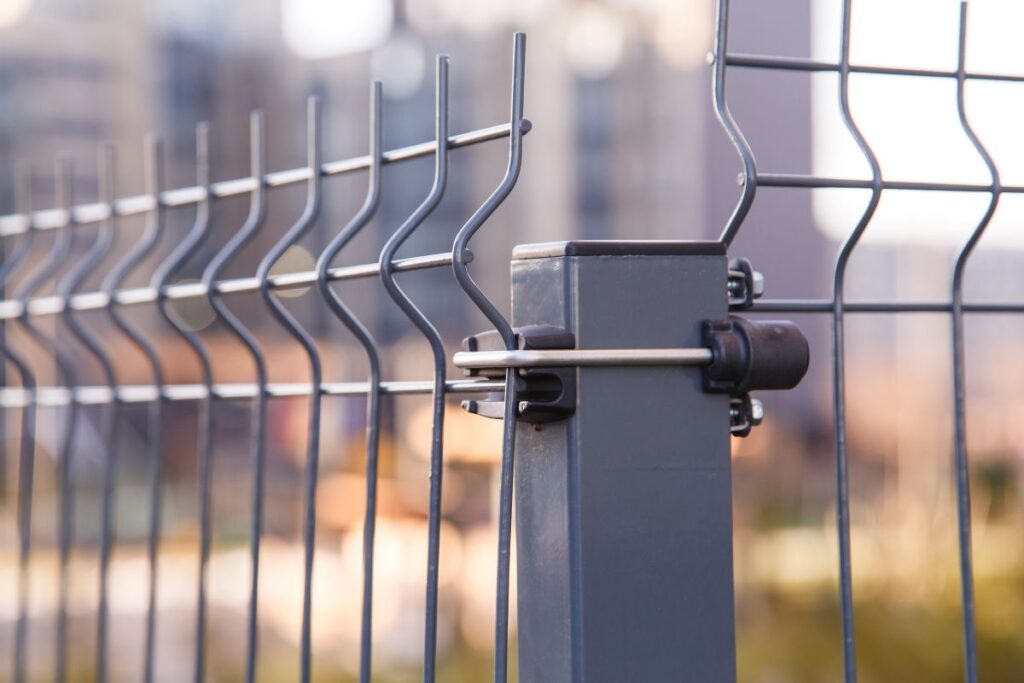
Here’s a quick comparison of the most common wire fence types used in residential and agricultural applications.
| Fence Type | Best For | Pros | Cons |
| Welded Wire | Gardens, small pets | Affordable, rigid | Can bend under pressure |
| Woven Wire | Livestock, large areas | Strong, flexible, long-lasting | More expensive |
| Chain Link | Residential boundaries | Easy to install, durable | Less aesthetic appeal |
| Electric Wire | Livestock containment | High control, adjustable | Needs power source and maintenance |
| Barbed Wire | Farm/rural use | Effective deterrent | Not suitable for neighborhoods |
Depending on your specific use, terrain, and climate in Nashua and surrounding areas, one type may be more ideal than another. The good news is that Crowe Fence & Deck Supply can help you make the right selection for your property.
Wire Fencing Final Thoughts and Next Steps
A wire fence might not be the flashiest option, but it’s one of the most practical choices for homeowners looking for durable, low-maintenance, and cost-effective fencing. From rural properties to suburban homes in Nashua and surrounding areas, wire fencing adapts to fit a wide range of purposes without compromising on performance. With proper planning and installation, it can last for decades.
If you’re considering a wire fence for your property, contact us today to speak with the team at Crowe Fence & Deck Supply. We’ll walk you through the best wire types, help you plan your layout, and ensure your fence is installed with precision and care.

Discover Our Built-To-Last Fence Solutions
Start Your Project!
"*" indicates required fields