


Split Rail Fence Gate: 4 Styles to Know Before You Buy
A split rail fence gate might seem like a small detail, but it says a lot about how your whole yard reads from the road. Because split rail fencing leans into a rustic, unfinished look, the gate options that actually pair well with it are more limited than what you would find with vinyl or aluminum styles, which makes getting it right even more important. Homeowners in Peterborough and surrounding areas looking into a new fence for their property often assume any gate will do, only to find out later that the wrong style throws off the whole look. Here are the four options worth knowing about before you buy.
What You’ll Learn
- Why gate choice matters more with split rail fencing than with other styles
- The four gate options that actually work with a split rail fence
- Practical details like hardware, width, and wood matching
- How to decide between a matching gate and a custom cedar gate

Why Your Gate Choice Matters as Much as the Fence Itself
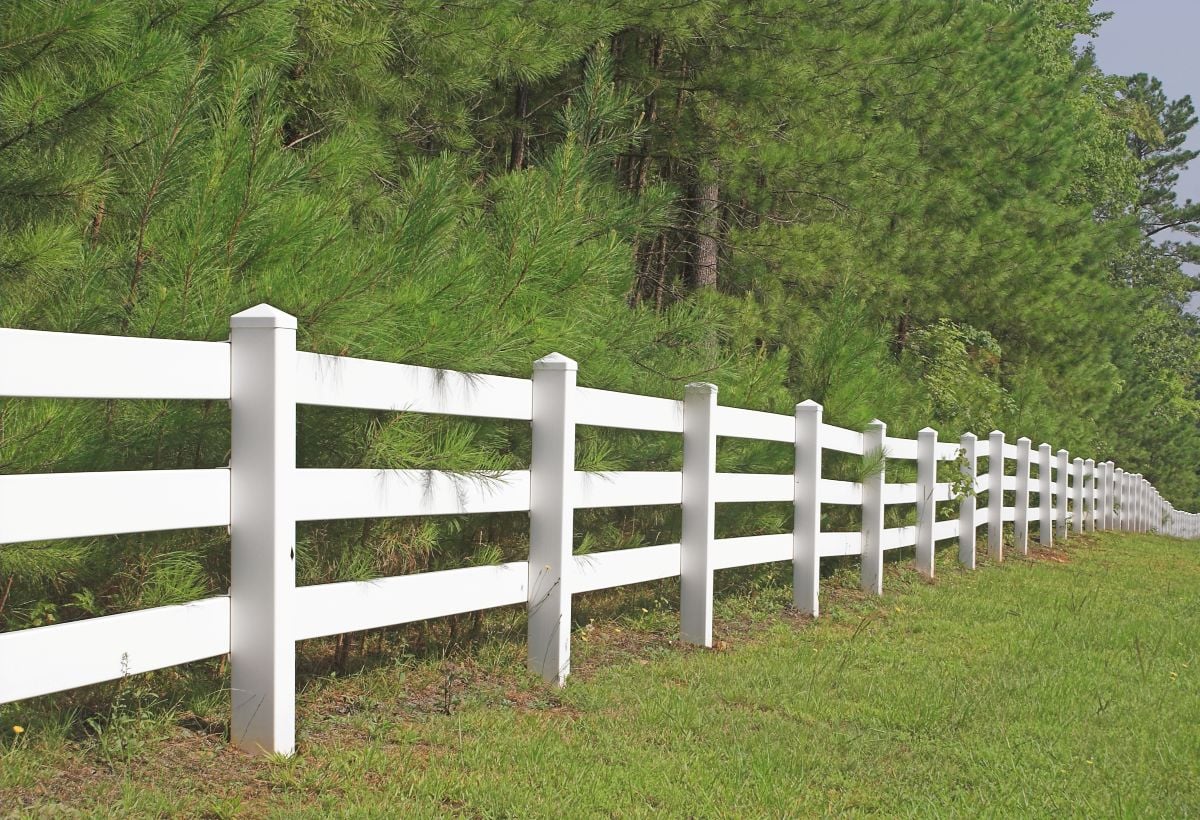
A split rail fence earns its charm from being simple. Two or three horizontal rails, natural wood tones, and open sightlines give a property that relaxed, country look that homeowners in Peterborough and surrounding areas often want for larger lots, driveways, and pastures. A split rail gate carries that same look forward, with an open, spaced frame instead of solid boards, which is exactly what gives it that light, see through feel rather than the heavier look of a solid wood gate. A gate that clashes with that simplicity, whether it is too ornate or built from the wrong material, stands out for all the wrong reasons.
- Consistency: The gate should feel like a natural continuation of the fence line, not an afterthought bolted onto the end.
- Function: A gate gets far more daily use than the rest of the fence, so hardware and width decisions matter more here than anywhere else.
- First impressions: For many properties, the gate sits right at the driveway or front walkway, which makes it one of the first things visitors and passersby notice.
- Longevity: The right wood and hardware choice keeps the gate swinging smoothly for years instead of sagging or warping early.
None of these considerations exist on their own. A gate that looks right but sags within a year is not a good choice, and a gate that swings well but does not match the fence undercuts the whole look you were going for. That is why it is worth slowing down on this decision rather than treating it as an afterthought.
4 Split Rail Gate Styles to Know Before You Buy
Split rail fencing does not offer the wide range of gate styles you would see with vinyl picket or ornamental aluminum fencing, and that is by design. The styles below cover the options that actually work well with a split rail fence, rather than a long list of choices that would clash with the rustic look you are going for.
1. The Matching Split Rail Gate
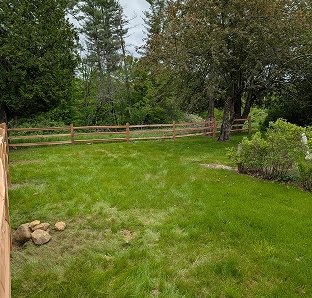
The most common and often the simplest choice is a gate built from the same rails and posts as the rest of the fence. It carries the same wood species, the same rail spacing, and the same weathered or natural finish straight across the opening. Most matching gates come in 3, 4, or 5 foot widths, with height tied to how many rails run across the frame. A 2-rail gate typically stands close to 3 feet tall, a 3-rail gate lands around 4 feet, and a 4-rail gate reaches roughly 5 feet, so the gate can be sized to match the fence exactly.
- Blends in almost seamlessly with the surrounding fence line
- Keeps material costs down since it uses the same components
- Works well for driveways, pasture openings, and side yard access points
- Weighs less than a solid wood gate, which means less strain on hinges and gate posts over time
For homeowners who want their gate to disappear into the fence rather than stand out, this is usually the right call. It is a dependable choice that never looks out of place.
2. A Cedar Gate With an Arched Top
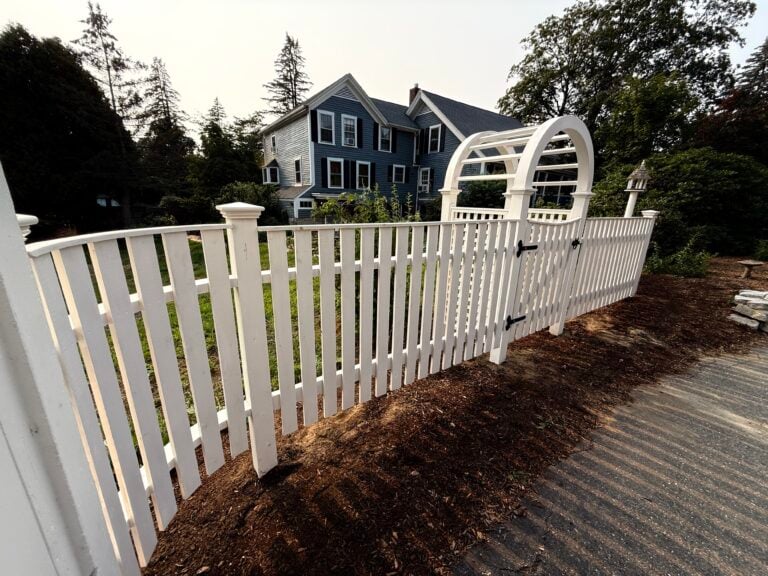
For a slightly more finished look without straying too far from the rustic feel, a custom cedar gate with an arched top is a strong option. The curved top rail softens the straight lines of the split rail fence and adds a bit of visual interest right at the entry point.
This style tends to show up most often at front walkways or garden entrances where homeowners want a small moment of charm without committing to something that feels out of place next to a split rail fence.
3. A Cedar Garden Style Picket Gate
Another option that pairs surprisingly well with split rail fencing is a cedar gate built with narrow, evenly spaced pickets, often called a garden style gate. It reads as slightly more polished than a plain split rail panel while still using the same natural cedar tone.
- Adds a bit of privacy and structure right at the gate opening
- Complements garden beds, courtyards, and backyard entry points
- Available with square or pointed picket tops depending on preference
This style works best when the gate itself is the focal point of a smaller opening, such as a walkway into a backyard or garden, rather than a wide driveway entrance.
4. Choosing Between a Walk Gate and a Drive Gate
Beyond material and design, the width of the gate itself counts as its own style decision. A walk gate, typically three to four feet wide, suits pedestrian access points like side yards or garden paths. A drive gate, often ten to twelve feet wide or built as a double gate, needs to accommodate vehicles, tractors, or equipment.
Getting the width right from the start avoids a common and expensive mistake, which is installing a gate too narrow for what actually needs to pass through it on a regular basis. Homeowners in Peterborough and surrounding areas with larger properties or driveways off gravel roads should plan for a drive gate width even if it means a slightly larger opening than expected.
For wider openings, a double gate that swings open from the center is often a better choice than a single wide panel. Splitting the width in half puts less strain on each set of hinges and posts, and it gives you the option of opening just one side for foot traffic while keeping the full opening available when a vehicle or trailer needs to get through.

Getting the Details Right
Picking a style is only part of the decision. A handful of practical details determine whether your split rail fence gate holds up well and stays easy to use for years to come.
- Hardware: Heavy duty hinges and a sturdy latch matter more on a gate than anywhere else on the fence, since it sees constant motion.
- Wood matching: Choosing cedar or pressure treated wood that closely matches the tone of your existing rails keeps the transition from fence to gate looking intentional.
- Post reinforcement: Gate posts are typically built from 4×4 lumber, set deeper, and often reinforced with concrete, since they carry more weight and stress than a standard line post.
- Bracing: A diagonal or crossed wooden brace across the back of the gate frame helps prevent sagging over time, especially on wider openings.
- Self closing options: For properties with pets or small children, a self closing hinge adds a layer of safety without changing the look of the gate.
- Ground clearance: A gate hung with a slight gap above the ground avoids dragging through snow, mud, or gravel while still keeping small pets from squeezing underneath.
- Wire mesh: Since the open frame of a split rail gate leaves wider gaps than a solid gate, adding wire mesh along the gate and fence line is a simple way to keep smaller pets contained.
Small details like these rarely get attention until something goes wrong, like a gate that sags after a single winter or a latch that stops catching properly. Planning for them upfront costs very little compared to fixing them later, and it saves a service call down the road.
Matching Gate or Custom Cedar Gate: Which Fits Your Property?
Most homeowners end up choosing between two paths: a gate that matches the split rail fence exactly, or a custom cedar gate that adds a bit more character. The comparison below breaks down how each option tends to perform.
| Factor | Matching Split Rail Gate | Custom Cedar Gate |
| Visual style | Blends into the fence line | Adds a distinct focal point |
| Best use | Driveways, pastures, side access | Front walkways, gardens, entries |
| Cost | Lower, uses matching materials | Slightly higher for custom build |
| Weight | Lighter, open frame design | Heavier, solid board construction |
| Maintenance | Same as the rest of the fence | Similar, with more detail to weather |
There is no wrong answer here since both options work well with split rail fencing when they are built and installed correctly. The right choice usually comes down to whether you want the gate to blend in or stand out a little at the entry point.

Ready to Choose the Right Gate for Your Fence?
A split rail fence gate does not need to be complicated, but it does deserve more thought than most homeowners give it. Whether you go with a matching split rail gate, a cedar gate with an arched top, or a garden style picket gate, the goal is the same: a gate that works well every day and looks like it belongs on your property from the start.
At Crowe Fence, we have been installing split rail fencing and matching gates across Southern New Hampshire for more than 40 years, and our full time crews handle every project from the showroom consultation through the final walk through. We are happy to talk through style, width, and hardware options with you in person at our Amherst showroom. If you are ready to talk through the right gate for your Peterborough property, contact us today and we will help you get started.

Discover Our Built-To-Last Fence Solutions
Start Your Project!
"*" indicates required fields