


7 Real Differences Between Gazebo Vs Pergola Structures
If you’re planning an outdoor living upgrade, you’ve probably found yourself comparing a gazebo and a pergola side by side and wondering which one actually fits your property. The confusion is understandable: both structures add usable space, improve curb appeal, and give your yard a finished look. But the gazebo vs pergola question isn’t just about aesthetics. The two structures are built differently, serve different purposes, and carry different price tags. Knowing the real distinctions before you commit saves you from building the wrong thing for how you actually use your backyard. If pergolas are already on your radar, you can explore custom designs and what the installation process looks like for your property.
What you’ll learn in this post:
- The core structural differences between a gazebo and a pergola
- 7 specific ways these two structures differ in design, cost, and function
- How each structure performs through New Hampshire’s four seasons
- Which structure fits which yard, budget, and lifestyle
- How both options add value to your property

Two Structures That Look Similar but Function Very Differently
At a glance, gazebos and pergolas can look like variations of the same idea: an outdoor structure with posts that gives you a place to sit and enjoy your yard. In practice, they solve different problems, and the one you choose should match how you actually spend time outside.
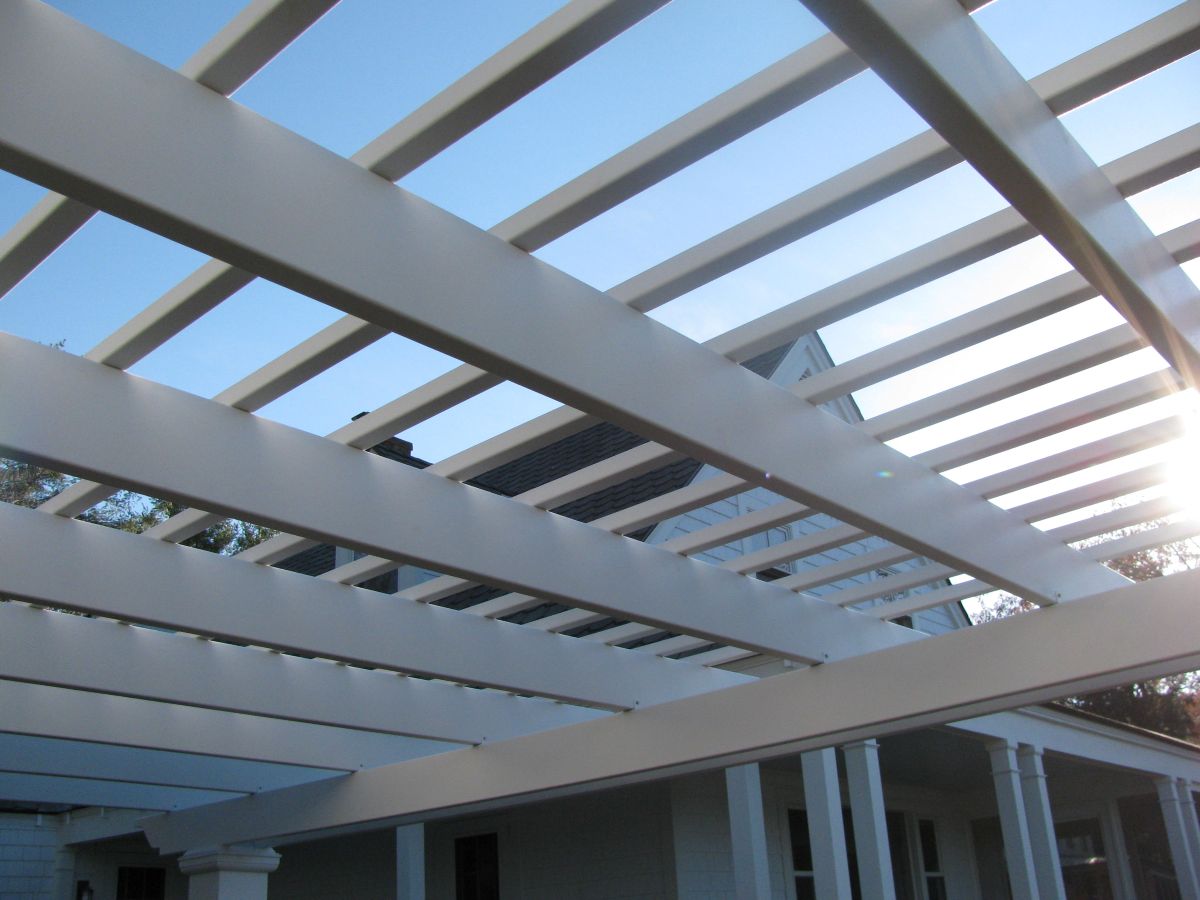
A pergola is an open structure with a minimalist, elegant design. It has vertical posts supporting an open-slat roof with a rectangular footprint that lets light and air pass through freely. It creates shade, defines a space, and provides a frame that can support climbing plants, string lights, or a shade canopy, making it a popular choice for modern outdoor aesthetics. A gazebo is a fully enclosed structure with a solid, often dome-shaped roof, a raised floor, and sometimes screened or partially walled sides. It delivers a more traditional outdoor room feel, a covered space that functions as a genuine weather-protected retreat rather than an open-air extension of the yard.
For homeowners in Brookline, NH and surrounding areas weighing one against the other, the local climate plays a real role in this decision. A structure that works well in mild summers looks very different from one that has to handle New Hampshire winters, mud season, and everything in between. Both can be built to last here, but the right choice depends on the specific way you want to use the space.
Here is why this decision matters:
- Long-term investment: Both pergolas and gazebos add value to a home, with outdoor structure projects estimated to return 50 to 80 cents on every dollar spent at resale.
- Usability year-round: The structure you choose determines how much of the year you can actually use the space comfortably.
- Budget alignment: The cost gap between the two is meaningful, and understanding it upfront prevents surprises mid-project.
- Yard compatibility: Not every lot can support both options. Size, slope, and existing landscaping all factor into which structure works.
Getting this decision right from the start is worth the time it takes to understand the full picture.
7 Real Differences Between Gazebo and Pergola Structures
These are the seven distinctions that matter most when comparing the two structures side by side. Each one affects how the space looks, how it functions, and what it costs to build and maintain.
1. Roof Design and Overhead Coverage
This is the most fundamental difference between the two structures. A pergola has an open roof made of spaced beams or lattice that filters light rather than blocking it. Depending on the spacing and design, a pergola can block roughly 50 to 70 percent of direct sunlight, especially when a fabric canopy or climbing plants fill in the overhead space. A gazebo has a solid, fully enclosed roof, typically pitched or domed, that blocks sun and rain completely. If full weather protection is the goal, a gazebo delivers it. If you want light, airflow, and a more open feel, a pergola is the better fit.
2. Shape and Footprint
Pergolas are almost always rectangular or square with an open-slat roof, which makes them easy to integrate with an existing patio, deck, or yard layout. That geometric flexibility means a pergola can attach directly to the house or stand independently without disrupting the surrounding space. Gazebos are traditionally six-sided or eight-sided, featuring a dome-shaped or pitched roof, a raised floor platform, and often full walls, railings, or screening panels. That more elaborate design is beautiful in the right setting but harder to integrate with existing structures or irregular lot shapes. For lots in Brookline, NH and surrounding areas with tight setbacks or wooded property lines, the pergola’s flexible rectangular footprint is often the more practical choice.
3. Structural Complexity and Installation
A pergola is a simpler structure to build. Four or more posts, horizontal beams, and a slatted roof make up the core of the system. That relative simplicity means faster installation, fewer materials, and lower labor costs. A gazebo requires more structural work: a complete roofing system, a raised platform or concrete slab foundation in many cases, and often screened or partial wall elements that add complexity and time to the build. Professional installation is generally required for a gazebo regardless of size. A pergola can sometimes be built from a kit for smaller, simpler applications, though professional installation ensures proper post depth, footing, and long-term structural integrity.

4. Cost Comparison
The price difference between these two structures is real and worth understanding before you start planning. A basic wood pergola typically runs $2,000 to $8,000 installed, depending on size and materials. A comparable gazebo generally costs $3,000 to $10,000, with the gap widening further when a dedicated concrete foundation, complex roofing, or custom details are involved. Premium materials like aluminum or composite push both numbers higher. For homeowners working with a defined outdoor living budget, a pergola typically delivers more usable square footage per dollar spent, while a gazebo delivers more complete weather protection for the added investment.
5. Weather Protection
A pergola offers partial shade and limited rain protection unless a waterproof canopy or louvered roof is added. In a typical New Hampshire summer, a pergola with a fabric canopy handles light rain and filters afternoon sun effectively. A gazebo, with its fully closed roof and optional screens, provides complete protection from sun, rain, and wind and can be used year-round in nearly any conditions. That full coverage also makes a gazebo practical for protecting outdoor furniture and grills from the elements. For homeowners who grill frequently, purpose-built grill gazebos offer a smaller, dedicated variant designed specifically to shelter an outdoor grill. For those who prefer an open, airy feel and are willing to add a canopy when needed, a pergola covers most situations well.
6. Maintenance Requirements
Both structures require maintenance, but the demands differ by material and design. Wood pergolas and gazebos need periodic staining or sealing, typically every two to three years, to resist moisture and UV degradation. Aluminum and vinyl options for both structures dramatically reduce that maintenance burden. The gazebo’s more complex roofing system introduces additional maintenance points: flashing, shingles or panels, and any screening or wall elements all need periodic inspection and upkeep. A pergola’s simpler open roof has fewer components that can fail or degrade over time. For homeowners who prefer a lower-maintenance outdoor structure, a vinyl or aluminum pergola is often the easiest option to own long-term.
7. Permit Requirements
Both structures may require a building permit depending on their size and placement relative to property lines and existing structures. As a general rule, structures over 200 square feet or attached to the house typically trigger a permit requirement. New Hampshire municipalities set their own thresholds and setback rules, which means the answer varies by town. A professional installer handles the permit process as part of the project, ensuring the structure meets local code from foundation to roof. This is another area where working with a team that knows Southern NH’s regulatory landscape saves homeowners from discovering compliance issues after the structure is already built.
The right choice between these two structures comes down to what specific gap you’re trying to fill in how you use your outdoor space.
How to Match the Right Structure to Your Property
Understanding the differences is useful, but the real question is which structure fits your specific situation. Thinking through a few key factors helps narrow it down.
Yard Size and Layout
Large, open properties with room for a freestanding structure at the back of the yard are well-suited for a gazebo. It becomes a destination in the landscape, a place you walk to rather than one that extends your living space directly. Smaller lots, properties where the outdoor space connects directly to the back door or patio, and yards with irregular shapes tend to work better with a pergola. The pergola’s rectangular form and ability to attach to the house makes it a natural extension of indoor living rather than a separate outbuilding.
Primary Use Case
A pergola works best for outdoor dining areas, al fresco meals, and spaces that benefit from airflow and natural light. The open overhead structure filters sun without fully blocking it, and climbing plants trained up the posts and over the beams add a natural canopy over time. A gazebo is better suited for sitting areas, outdoor lounges, and situations where the goal is a fully protected retreat. If you want to host dinners outside on a rainy evening without moving indoors, a gazebo handles that scenario in a way a standard pergola cannot.
Budget and Timeline
For homeowners in Brookline, NH and surrounding areas working with a tighter budget or a faster project timeline, a pergola is generally the more accessible starting point. It can often be completed in a shorter window, at a lower cost, and expanded or enhanced over time with additions like a fabric canopy, string lighting, or climbing plants. A gazebo is a larger upfront commitment but delivers a more complete outdoor structure from day one.

Which One Is Right for You?
Both structures are genuine improvements to any outdoor space, and neither choice is wrong. A well-built pergola gives you a defined, open-air space that feels connected to your home. A well-built gazebo gives you a protected outdoor room that functions in nearly any weather. The deciding factors are your yard, your budget, how you use the space, and what the New Hampshire climate demands from a structure year after year. Crowe Fence builds pergolas and arbors across Southern New Hampshire with full-time in-house crews and no subcontractors. Contact us today to talk through your outdoor project and get a free quote for your property.

Discover Our Built-To-Last Fence Solutions
Start Your Project!
"*" indicates required fields