


Garden Fencing Ideas for Style, Protection and Function
Garden fencing is one of the most searched and most installed outdoor projects in Southern New Hampshire, and it’s easy to understand why. Garden fencing plays a crucial role in protecting plants, creating secure boundaries, and enhancing the overall outdoor space and landscape. Your garden represents real time, real money, and real effort. Whether you’re growing tomatoes in Milford, NH and surrounding areas or putting the finishing touches on a backyard perennial bed, the right fence can protect everything you’ve built and make it look even better. If you’re ready to explore your options, our team at Crowe Fence & Deck can help you choose and install the right solution.
There are fencing options to suit every need, including attractive and sturdy designs that provide peace of mind, safety for kids and pets, and protection from pests and large animals.
Here’s what you’ll find in this guide:
- Why garden fencing matters more than most homeowners realize
- The most popular garden fence styles and what they’re actually good for
- How to match your fence to the specific threat you’re dealing with
- Material options that balance good looks with real performance
- How New Hampshire’s climate and wildlife should influence your choice
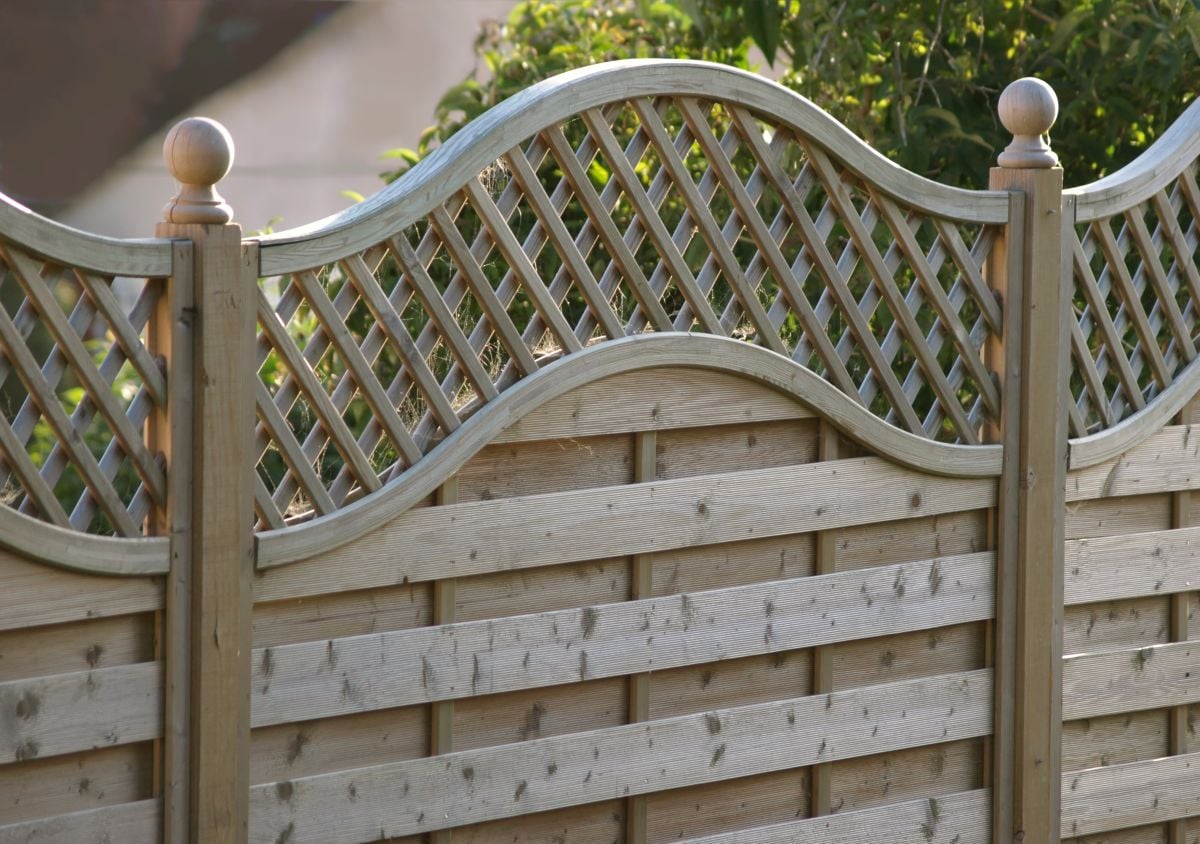
Garden fencing can be both durable and enhance the landscape, offering privacy and security.
Standard garden fencing heights typically range from 3 to 6 feet, but for large animals like deer, a metal welded wire deer fence at least 7 feet tall is recommended.

Why Garden Fencing Is Worth Getting Right
A garden fence is not just a boundary marker. It’s a functional piece of your property that affects how your yard looks, how safe your plants are, and how much maintenance you’ll be dealing with for years to come. Getting it right from the start saves you the headache of patching, replacing, or starting over.
Homeowners who invest in proper garden fencing see benefits that go well beyond keeping critters out. Here are the most common reasons Southern NH homeowners make this investment:
- Wildlife protection: Deer, rabbits, groundhogs, and woodchucks are a constant reality across Milford, NH and surrounding areas. A fence designed for the specific animal you’re dealing with is the difference between a thriving garden and a mowed-down one.
- Property value: A well-designed fence adds visual structure and curb appeal. It frames your garden as intentional, not accidental.
- Privacy and definition: Even a low decorative fence signals where your garden begins and ends, discouraging foot traffic and giving your yard a more polished layout.
- Pet containment: If your dog has ever eaten a row of lettuce or trampled a raised bed, you already know this one.
- Long-term cost savings: A fence installed with the right, durable materials and proper posts reduces the chance of dealing with a leaning, sagging, or wildlife-compromised perimeter a few years from now. Choosing fencing that is easy to maintain ensures your investment continues to look great and function well over time.
Selecting the best garden fence means balancing privacy, how easy it is to maintain, and your budget or price range. The average price for garden fencing can range from $2.99 to $34.99 depending on the material and design, so it’s important to consider both durability and cost when making your decision.
The garden fencing market was valued at over $2.2 billion in the United States in 2025, according to Research and Markets, which tells you something about how seriously homeowners nationwide are taking this investment. In New Hampshire specifically, where deer populations are dense and four-season weather puts real stress on materials, that investment is even more justified.
6 Garden Fence Ideas Worth Considering
Not all garden fences are built for the same job. There are a wide variety of fencing options available, including border fences that help define boundaries within your garden or yard. Your best option depends on what you’re trying to protect, how the fence needs to look, and how much ongoing upkeep you’re willing to take on. Common types include Closeboard fences for privacy, Picket fences for aesthetics, and Lattice fences for supporting climbing plants. Here’s a breakdown of the most practical and popular approaches for Southern NH homeowners.
1. Wood Post and Wire Fencing
This is the combination generating serious interest right now, and for good reason. A wood post and wire fence gives you a classic, natural aesthetic that works in almost any yard while providing genuine functional protection. Cedar posts pair beautifully with galvanized welded wire or hardware cloth, giving you the warmth of wood framing with the durability of metal mesh. Wire mesh fencing often comes in a roll, typically available in lengths of 25 to 100 feet, making it easy to unroll and cover large areas efficiently.
For gardens dealing with deer, post height matters a lot. Deer can clear fences up to 6 feet tall, so most experts recommend going to at least 7 to 8 feet if deer pressure is high on your property. For rabbit and small animal protection, mesh size and burial depth are the critical factors. Rabbits can squeeze through gaps as small as 2 to 3 inches, and smaller ones can fit through even tighter spaces. Hardware cloth with a half-inch grid is the most reliable choice for rabbit exclusion.
A few details that set our installations apart:
- We bury wire at least 6 to 12 inches underground with the bottom bent outward in an L-shape — a critical detail that stops determined diggers and locks the fence securely into the earth
- We select cedar posts whenever possible, because their natural weather resistance stands up to New Hampshire’s brutal freeze-thaw cycles year after year
- Every installation uses galvanized or PVC-coated wire, which holds up far better than bare metal against our harsh winters — no premature rusting or weakening
- We secure every frame with ground stakes and professional fence ties, ensuring nothing shifts or loosens over time
- In softer ground, we condition the soil properly before driving pickets to avoid cracking or misalignment
- For above-ground applications, we set posts and t-stakes to the correct depth and use proper fence ties to create a hold that lasts
2. Picket Fencing for Decorative Garden Borders
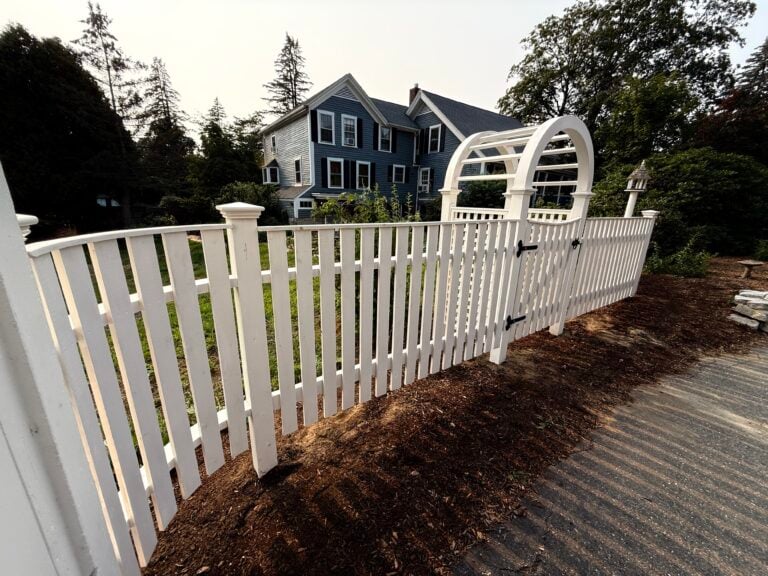
Not every garden fence needs to double as a fortress. If you’re fencing a flower bed, a perennial border, or a formal garden area where wildlife pressure isn’t the main concern, a classic picket fence does the job beautifully. Vinyl picket fencing is the low-maintenance choice here. It doesn’t rot, doesn’t need painting, and handles New Hampshire winters without warping or splitting.
Wood picket fencing is still popular for homeowners who want a more traditional look, especially with painted white finishes or natural cedar tones. Just know that wood requires periodic staining or painting to stay looking sharp over the years.
This style works well for:
- Front yard garden borders where curb appeal is the priority
- Enhancing the look of garden beds and raised bed enclosures in formal kitchen gardens
- Cottage-style plantings where the fence becomes part of the overall design
Picket fencing can be customized with a wide range of accessories such as decorative caps, gates, or matching posts to further enhance both the appearance and functionality of your garden fencing.
3. Ornamental Aluminum Fencing
Aluminum is having a real moment in residential outdoor design. It’s strong, rust-proof, and available in a range of decorative styles that look far more substantial than chain link without the maintenance demands of wrought iron. For homeowners who want security and style in equal measure, ornamental aluminum is an attractive and secure option—ideal for defining patios and garden perimeters.
Around a garden, aluminum works especially well as a perimeter for raised beds adjacent to a patio or deck, where you want something that ties into the overall aesthetic rather than looking purely functional.
Key benefits of aluminum for garden use:
- Zero rust, even through New Hampshire’s wet springs and humid summers
- Available in heights from 36 inches to 60 inches to suit different needs
- Powder-coated finishes in black, bronze, and green complement most garden aesthetics
- Low maintenance means no sanding or repainting every few years

4. Chain Link With Screening
Chain link gets dismissed as purely utilitarian, but a black vinyl-coated chain link fence with privacy screening is a surprisingly effective and cost-conscious solution for larger garden enclosures. If you’re fencing a vegetable garden that stretches 50 by 100 feet, the economics of chain link make a lot of sense compared to wood alternatives at that scale, making it a practical choice for protecting and defining areas where you grow vegetables.
Chain link fences can be enhanced with slats or screening to cut wind, reduce visibility, and give the enclosure a cleaner, more attractive finished look while adding privacy. This is also one of the easier setups to gate properly, which matters if you’re moving a wheelbarrow or garden equipment in and out on a regular basis.
5. Post and Rail Fencing
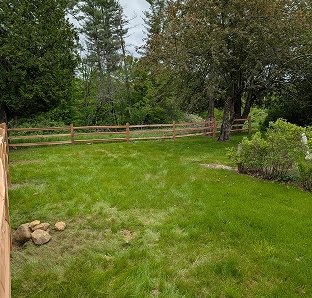
Post and rail is the quintessential New England fence style, and it fits naturally into the landscapes you’ll find throughout Milford, NH and surrounding areas. While it’s not designed to exclude small animals, it’s excellent for defining larger garden areas, creating visual separation between lawn and growing space, or enclosing a larger property section with a clean, open look. This style is also suitable for containing large animals such as deer or livestock, providing a sturdy barrier for gardens that need protection from sizable pests.
For homeowners with horses, goats, or larger livestock in a mixed-use yard, post and rail combined with a wire infill panel gives you the classic aesthetic with actual containment. This combination works well on rural and semi-rural properties throughout Southern NH where the lot gives you the room to do it properly.
6. Garden Gates Done Right
A garden fence without a proper gate is frustrating to use every single day. Gates are one of the most frequently skipped or underfunded parts of a garden fencing project, and that’s a mistake that shows up quickly. A heavy, properly hung gate with a latching system that resists lifting from wind and curious animals is worth the extra attention upfront. Accessories such as self-closing hinges and decorative hardware can further improve gate functionality and appearance, enhancing both security and style.
Gate options worth considering:
- Arched gates that add a focal point to the garden entry
- Double-wide gates for access with carts or equipment
- Self-closing hinges if you have dogs that tend to follow you in and out
Matching Your Fence to What You’re Actually Keeping Out
Before you choose materials and style, spend a minute thinking honestly about what’s been coming into your garden uninvited. Garden fencing is essential for protecting plants from a variety of pests, including rodents, birds, and other wildlife. New Hampshire’s wildlife pressure is real, and the solution for deer is different from the solution for rabbits, rodents, or birds—which are all common pests that can damage your garden. Some animals may chew through less sturdy materials, so choosing the right mesh size and material is important; for example, mesh openings of 1 inch or smaller help keep out rodents. Standard fence heights typically range from 3 to 6 feet, depending on the type of pests being excluded. The solution for deer is different from the solution for rabbits, which is different again from the solution for a dog that treats your raised beds like a personal buffet.
Deer
Deer are the most challenging garden pest to fence against because of how high they can jump. A standard 4-foot decorative fence offers almost no deterrent to an adult whitetail. For serious deer protection, you’re looking at a minimum fence height of 7 feet, or a double-fence system where two parallel shorter fences are installed close enough together that deer can’t clear both in sequence.
The wood post and wire approach is the most popular professional solution for deer exclusion in residential gardens across New Hampshire, and it’s the combination homeowners come back to for good reason.
Rabbits and Small Animals
Rabbits, groundhogs, and woodchucks cause a different kind of damage and require a different approach. Mesh size is especially important for keeping out rodents, which can squeeze through surprisingly small openings. Openings should be 1 inch or smaller to effectively exclude rodents and other small animals. Mesh size and burial depth matter far more than fence height for these animals. Hardware cloth with a half-inch or 1-inch grid, buried at least 6 inches deep with the bottom flared outward in an L-shape, stops most small animal digging.
If you’re dealing with multiple species including both deer and rabbits, the wood post and welded wire approach with tight mesh at the bottom and greater overall height is your most practical single solution.
Dogs
Dogs are usually a lateral threat rather than a jumping one, so a solid wood or vinyl fence at standard height handles containment well. Garden fencing can also be used to create safe, designated areas for pets, helping to establish pet-friendly zones and prevent them from wandering into gardens or delicate spaces. The key for dogs is making sure the bottom of the fence has no gaps and that the gate latches securely at multiple points, because dogs are very good at finding the one weak spot in a fence line.
Choosing Materials That Hold Up in New Hampshire
New Hampshire’s climate is not gentle on outdoor materials. We deal with freeze-thaw cycles through late winter, wet springs, humid summers, and early hard frosts. The material you choose for your garden fence needs to be durable enough to handle all of it and easy to maintain, without constant intervention on your part. Local climate should influence your material choice—if you live in a wet area, rot-resistant options like vinyl or galvanized steel are preferable.
Here’s a straightforward comparison of the most common garden fencing options for New Hampshire homeowners, including traditional wood, durable vinyl, composite, stylish metal, and cost-effective wire mesh:
| Material | Durability | Maintenance | Best For |
| Cedar wood | High (naturally rot- and insect-resistant, especially with treatment) | Moderate (stain every few years, often with water-based paints for eco-friendliness) | Natural aesthetics, privacy, post framing |
| Pine wood | Moderate | Moderate | Budget-friendly privacy fencing |
| Vinyl / PVC | Very high (rot-proof, resists moisture and insects) | Very low (easy to clean, minimal upkeep) | Low-maintenance decorative fencing |
| Composite | Very high (made from recycled materials, highly durable, rot-resistant, mimics wood) | Very low | Eco-friendly, long-lasting, wood-look fencing |
| Galvanized wire | High | Low | Animal exclusion, functional enclosures |
| Ornamental aluminum | Very high (lightweight, rust-resistant, mimics wrought iron) | Very low | Decorative perimeters, patio areas |
| Wrought iron | Extremely high (can last up to 50 years with proper care) | Low to moderate (requires occasional rust protection) | Elegant, strong, long-term investment |
| Chain link (vinyl-coated) | High | Low | Large enclosures, utilitarian use |
Vinyl, metal (including aluminum and wrought iron), and composite materials are recommended for those seeking low maintenance and long-term durability, though they may have higher upfront costs compared to wood. Metal fences, such as aluminum and wrought iron, are known for their durability and elegance—aluminum is lightweight and rust-resistant, while wrought iron is extremely strong and can last decades if properly maintained. Composite fencing, made from recycled materials, is highly durable, rot-resistant, and offers the look of wood without the upkeep. Cedar is a popular wood choice due to its natural resistance to rot and insects, making it both durable and sustainable, and is often treated with water-based paints to maintain eco-friendliness. Wood fences, such as cedar for durability or pine for budget-friendliness, provide privacy and classic aesthetics.
The right answer depends on your priorities and how much upkeep you’re willing to take on year after year. Our team works through these exact trade-offs with homeowners at our Amherst showroom, where you can see real material samples side by side and talk through what makes the most sense for your specific yard.

New Hampshire Details Worth Knowing Before You Start
Fencing in Southern NH comes with a few local considerations that are worth getting ahead of before you commit to a plan. Here’s what to keep in mind:
- Setback requirements: Most New Hampshire towns require fence setbacks from property lines and roads. The exact rules vary by municipality, so confirm with your town’s planning or zoning office before any installation begins.
- Frost heave: New Hampshire’s frost line runs deep. Posts that aren’t set deep enough will shift and heave over multiple winters, eventually causing your fence to lean or fail. Professional installation means posts go down far enough to stay put through our winters without issue.
- Soil conditions: Southern NH has a mix of rocky ledge and clay-heavy soils depending on where you are. Both create challenges for post setting that an experienced crew navigates differently than a DIY approach typically can.
- Timing your install: Deer pressure peaks in fall and early winter when natural food sources drop off. If you have perennial plantings you want to protect through the dormant season, plan your fence installation before fall arrives rather than reacting after the damage is done. Planning ahead also ensures the garden fencing you want is in stock and available for purchase, so you’re not delayed by inventory shortages. Installing before the growing season starts helps protect your garden throughout the year and ensures your fencing is ready for repeated use across multiple growing seasons. For current stock status or to make a purchase, check online resources or http links provided by suppliers.
Getting these details right before you start is part of what makes the difference between a fence that holds up for decades and one that needs attention after the first hard winter. Remember to regularly inspect your garden fencing for signs of wear or damage to ensure its longevity.
Start Your Garden Fence Project With a Team That Knows This Area
A well-chosen, properly installed garden fence does two things at once. It protects what you’ve worked hard to grow and it makes your yard look better in the process. Whether you’re after a classic wood and wire enclosure to keep deer out of your vegetable garden or a decorative vinyl picket border around your flower beds, the right solution starts with a conversation about what you actually need.
Crowe Fence & Deck has been helping Southern New Hampshire homeowners get their outdoor spaces right for over 40 years. Our full-time in-house crews handle everything from design through installation, with no subcontractors and a showroom in Amherst where you can see materials in person before committing to anything. We’re proud to have been named the 2025 Fencing Contractor of the Year by the Greater Merrimack Souhegan Chamber.
Contact us today to get a free quote and find out which garden fencing solution makes the most sense for your yard.

Discover Our Built-To-Last Fence Solutions
Start Your Project!
"*" indicates required fields