


Fence Repair Tips & Common Problems
Maintaining a sturdy and attractive fence is essential for protecting your property and enhancing curb appeal. Whether you have a wooden, vinyl, or metal barrier, knowing effective fence repair techniques can save you time and money. If you’re considering upgrading or fixing your fence, exploring professional fence installation services can provide valuable insights and solutions tailored to your needs.
- Identify common fence problems: Understand typical issues that fences face over time.
- Learn practical repair tips: Gain actionable advice to fix various fence damages.
- Discover maintenance strategies: Prevent future repairs with proper upkeep.
- Explore professional options: Know when to call in experts for complex repairs or installations.
Why Fence Repair Matters for Your Property
Proper fence repair is crucial not only for securing your property but also for maintaining its visual appeal. Fences that are damaged or poorly maintained can compromise safety and reduce the overall value of your home. Investing in timely repairs can prevent small issues from escalating into costly replacements.
- Security: A repaired fence keeps pets and children safe, and deters unwelcome visitors.
- Curb appeal: Well-maintained fencing improves your home’s first impression.
- Property value: A solid fence boosts real estate value and marketability.
- Longevity: Regular repairs extend the lifespan of your fencing materials.
- Cost efficiency: Addressing minor damages early avoids expensive reconstruction.
7 Essential Fence Repair Tips to Get Your Fence Back in Shape
Repairing a fence requires some know-how to ensure the structure is both durable and attractive. Here are seven practical tips to help you effectively tackle fence repairs and prolong the life of your fencing system.
1. Assess the Damage Thoroughly
Before starting any repair work, inspect the entire fence to identify all areas that need attention. This prevents overlooking hidden issues that can undermine the fence’s integrity.
- Visual inspection: Look for broken boards, rust spots, loose posts, or sagging panels.
- Check posts: Ensure the fence posts are solidly anchored and upright.
2. Remove and Replace Damaged Sections
Damaged components such as rotted wood or bent metal should be removed and replaced rather than patched, to maintain structural quality.
- Select matching materials: Choose replacement boards or panels that fit seamlessly with your existing fence.
- Proper fastening: Use corrosion-resistant nails, screws, or brackets to secure new parts.
3. Reinforce Weak Fence Posts
Fence posts often bear most of the unbalanced pressure from wind, soil movement, and gate operations. Strengthen weak posts to stabilize the fence.
- Dig and reset: Remove posts that wobble and reset them with fresh concrete footings.
- Support braces: Attach diagonal braces for additional support during repairs.
4. Treat Wooden Fences Against Weathering
Wood is especially vulnerable to rot, insects, and weather damage. After repairs, apply seals or stains to protect your fence and extend its lifespan.
- Waterproof sealant: Applies a protective layer that repels moisture.
- Insect repellent treatment: Prevents termite and insect infestations.
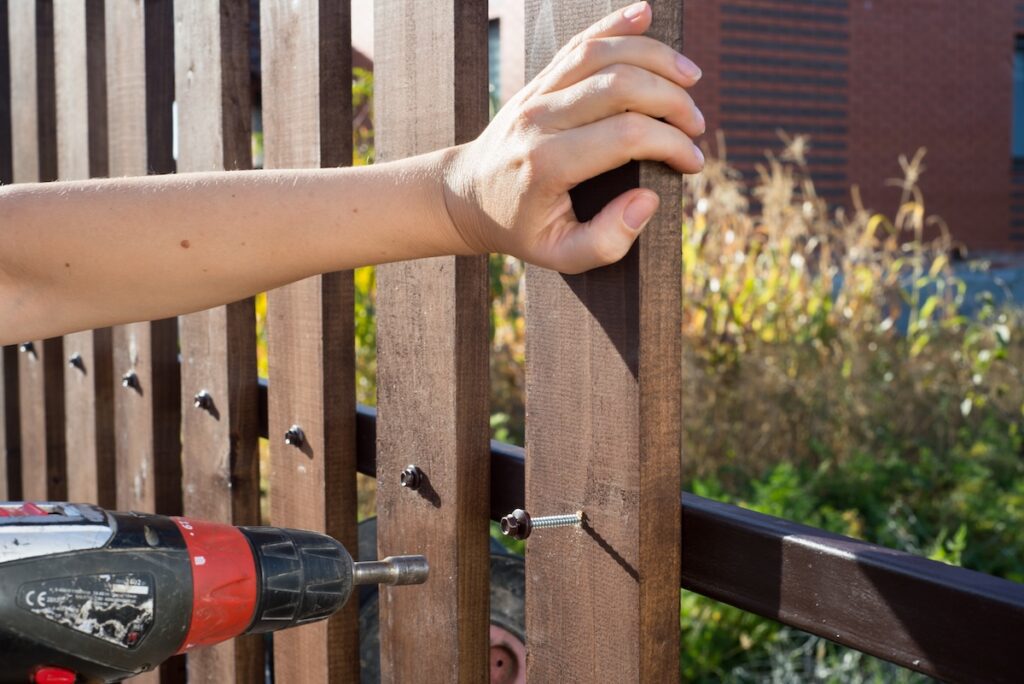
5. Fix Loose or Broken Hardware
Hardware such as hinges, latches, and brackets play a vital role in the fence’s functionality and should be inspected and fixed accordingly.
- Replace rusted parts: Swap out hardware that no longer operates smoothly or is corroded.
- Lubricate moving parts: Use grease or oil to keep hinges and locks functioning.
6. Clean and Maintain Fence Regularly
Routine cleaning removes dirt, mold, and debris that can degrade materials. A regular maintenance schedule aids early detection of potential repair needs.
- Pressure washing: Safely remove build-up without damaging surfaces.
- Routine inspections: Quick checks every season can catch minor problems early.
7. Know When to Call a Professional
Not all fence repairs are DIY-friendly. Complex structural damage or safety concerns should be entrusted to experts to ensure proper fixes.
- Extensive rot or rust: Professionals will assess whether sections need replacement.
- Faulty gates or large panels: Specialized tools and experience guarantee long-lasting repairs.
Common Fence Problems and How to Address Them
Understanding typical fence issues helps homeowners be proactive about repairs. Below are some frequent problems and effective methods to resolve them.
- Wood rot: Caused by prolonged moisture exposure, it weakens fence boards. Solution: Replace affected wood and apply protective sealants.
- Warping and bowing: Result from water damage or pressure. Solution: Reinforce with braces or replace severely warped sections.
- Loose or leaning posts: Often due to shifting soil or poor installation. Solution: Reset posts using concrete and check for soil erosion.
- Rust and corrosion on metal fences: Leads to structural weakness. Solution: Remove rust with wire brushes, apply rust inhibitors, or replace damaged parts.
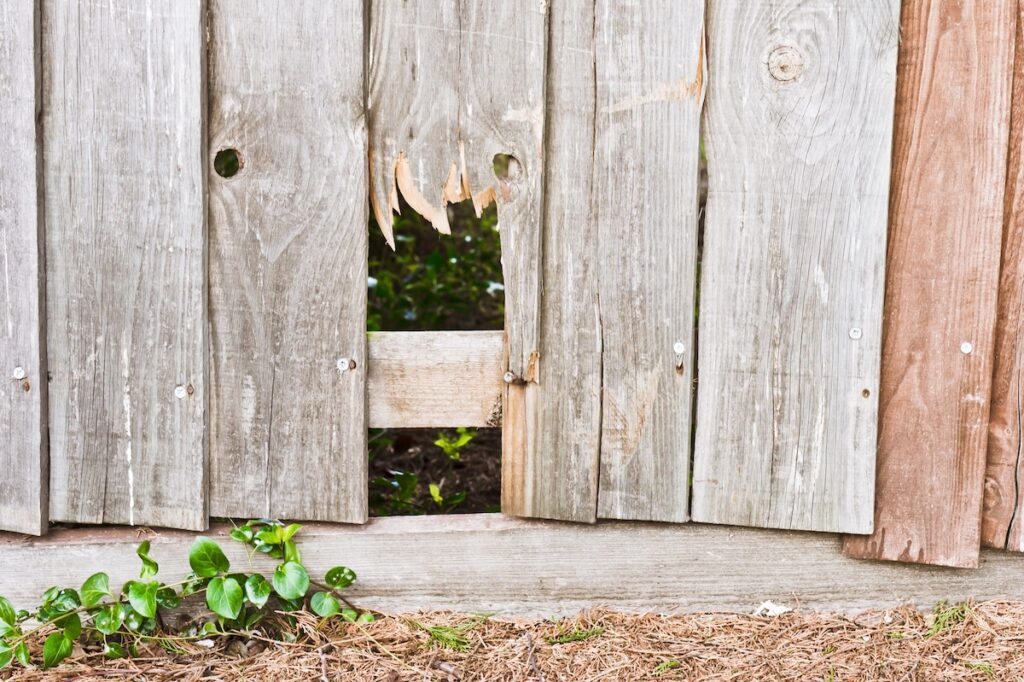
- Broken or missing boards: Impact or weather events can knock out fence sections. Solution: Replace boards and secure with appropriate fasteners.
- Fading and discoloration: Causes aesthetic issues often from sun exposure. Solution: Clean and repaint or restain as needed.
Maintaining Your Fence to Avoid Frequent Repairs
Proper upkeep is the best way to minimize the need for major fence repairs. Regular inspections and simple maintenance can keep your fence looking good and functioning well for years.
Seasonal Inspecting and Cleaning
Inspect your fence with each season change to identify minor issues such as cracked boards or loose nails. Cleaning prevents dirt and mold buildup that can accelerate damage.
Apply Protective Coatings
For wooden fences, sealants and stains should be reapplied every few years to combat weather damage. Vinyl fences require washing to remove grime, while metal fences benefit from rust prevention treatments.
Manage Vegetation Around Fences
Trimming vegetation helps prevent moisture accumulation and fungal growth on your fence. Removing vines or shrubs that press against your fence can reduce physical damage.
Adjust Hardware Annually
Check and tighten screws, hinges, and other hardware yearly to ensure proper alignment and avoid operational failures, especially on gates.
Frequently Asked Questions About Fence Repair
The following areas address the most common inquiries about fence repair, helping homeowners understand the fundamentals and make informed decisions.
- How much does fence repair typically cost? Costs vary by the damage extent and fence type but generally range from minor repairs under $100 to significant fixes or replacements that can cost several hundred dollars.
- Can I repair my fence myself? Many minor fixes like replacing boards or tightening hardware are suitable for DIY, but major structural repairs should be handled by professionals.
- How long does fence repair take? Simple repairs might take a few hours, while larger jobs may require days, depending on the complexity and weather conditions.
- What maintenance helps prevent fence damage? Routine cleaning, sealing wooden fences, repairing small issues immediately, and managing nearby vegetation all contribute greatly to fence longevity.
- When should I replace instead of repair? If the fence has extensive rot, rust, damage over more than 50% of the structure, or if repairs would be more costly than replacement, investing in a new fence is advisable.
Protect Your Property—Trust Crowe Fence for Expert Fence Repairs
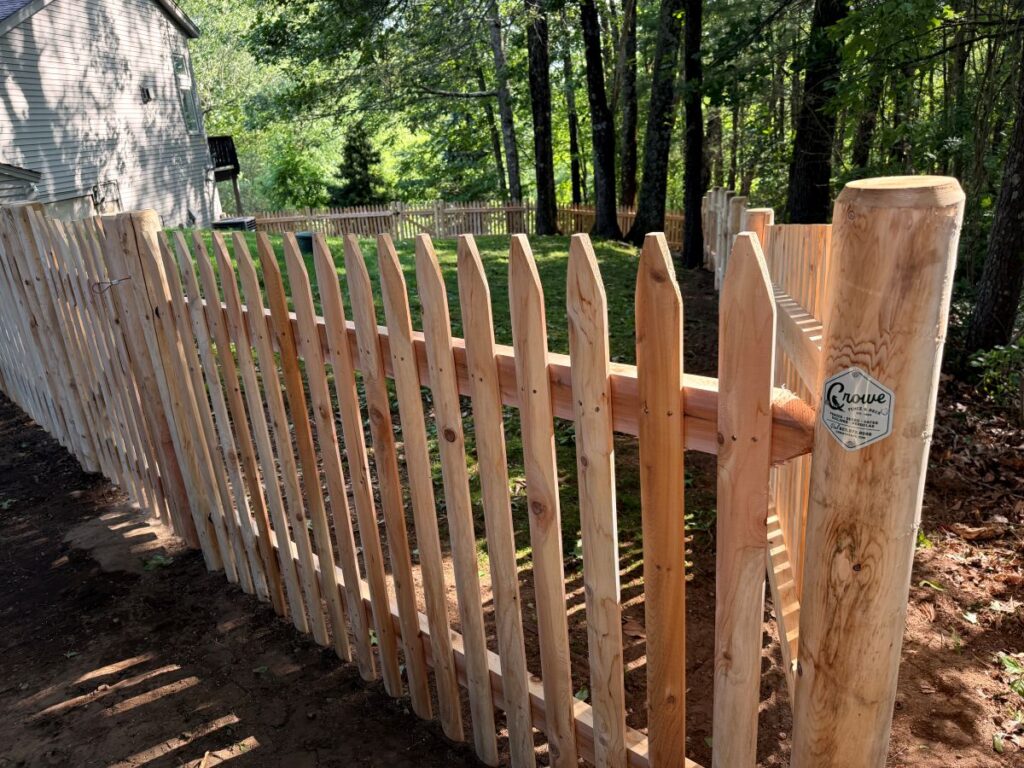
Keeping your fence in top condition contributes to the safety, beauty, and value of your home. Crowe Fence offers trusted expertise to tackle both minor repairs and full fence installations for residents in your area and surrounding areas. Don’t wait for small issues to become major problems—contact us today at Crowe Fence for professional guidance and quality workmanship that enhances your fencing investment.

Discover Our Built-To-Last Fence Solutions
Start Your Project!
"*" indicates required fields