


Dumpster Enclosure: 4 Reasons Your Property Needs One
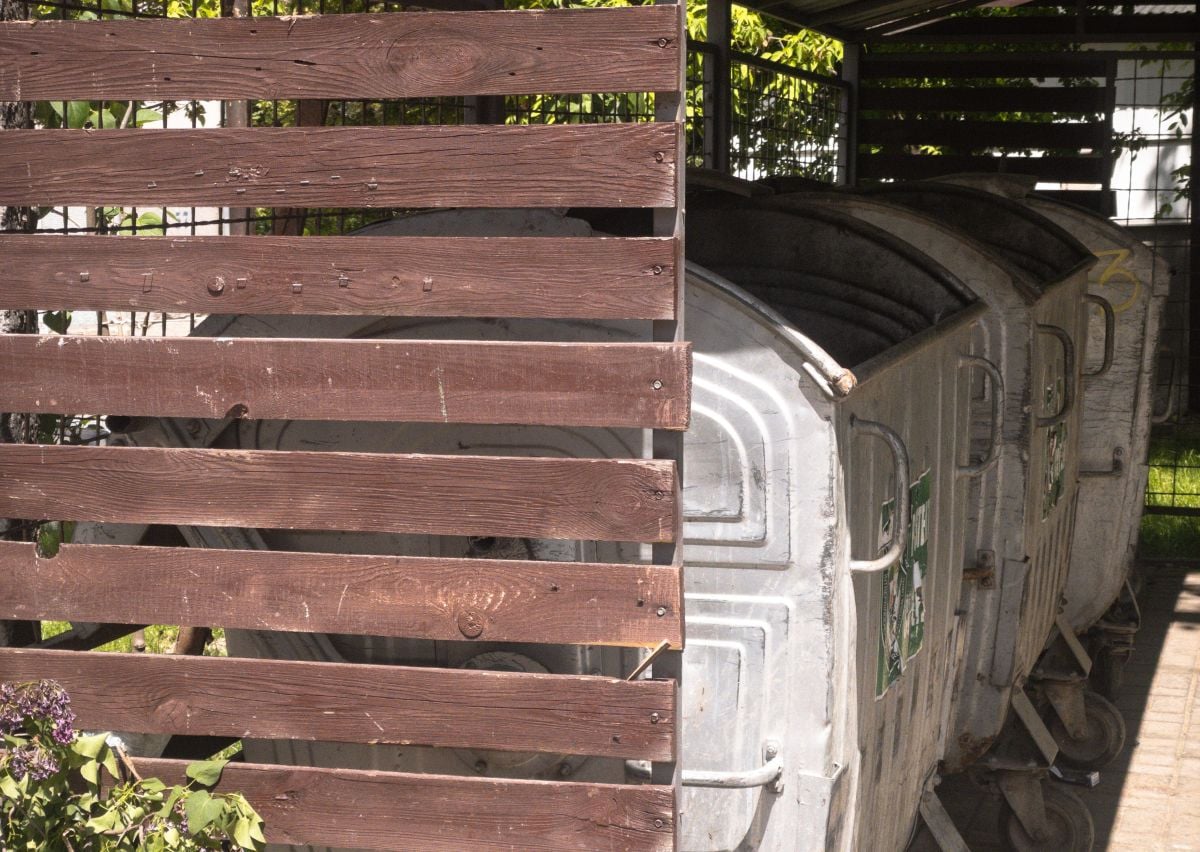
A dumpster enclosure does more than hide a trash container from view. It protects curb appeal, keeps pests and odors under control, and helps a property stay in line with local codes, all while giving businesses in Merrimack and surrounding areas one less eyesore to worry about. Before you get a closer look at the commercial side of our work, it helps to understand why this addition matters just as much for style as it does for function.
Here’s a quick rundown of what this post covers:
- Why a dumpster enclosure matters beyond simply hiding trash
- The main reasons properties benefit from adding one
- How enclosures can look sharp instead of purely industrial
- Material options worth considering for the build
- Answers to common enclosure questions

More Than Just Hiding a Dumpster
A dumpster sitting out in the open rarely does a property any favors. It draws the eye toward the least attractive part of a parking lot or side yard, and it can create ongoing headaches beyond appearance alone, from pest complaints to code violations.
- Improved Curb Appeal: An enclosure keeps the dumpster out of sight, so first impressions for customers, tenants, and visitors focus on the property instead of the trash.
- Pest and Odor Control: A well built enclosure with proper gates helps keep pests out and contains odors better than an open, exposed dumpster.
- Code and HOA Compliance: Many towns and property associations require some form of screening for waste containers, and an enclosure is often the simplest way to meet that requirement.
- Protection for Site Traffic: A defined enclosure keeps the dumpster out of drive lanes and walking paths, reducing the chance of vehicle damage or trip hazards near the container.
Property owners weighing their options often start by reviewing a general planning guide for dumpster enclosures, which covers sizing, access, and layout basics before construction begins. Once the practical benefits are clear, the next step is looking at the specific reasons more properties in Merrimack and surrounding areas are adding enclosures to their sites rather than leaving containers exposed.
4 Reasons Your Property Needs a Dumpster Enclosure
Whether the property is a retail center, an apartment complex, or a local business, the reasons for adding an enclosure tend to come back to a handful of common concerns shared across the region. Here is a closer look at what makes this addition worth the investment.
1. It Protects the First Impression of Your Property
Customers, tenants, and visitors form an opinion of a property within seconds of arriving, and an exposed dumpster sitting near the entrance or parking lot works against that impression every time. A properly built enclosure removes that distraction and lets the rest of the property make the first impression instead.
2. It Keeps Pests and Debris Contained
An open dumpster is an easy target for pests, and wind can scatter loose trash across a parking lot or lawn. An enclosure with a solid gate keeps both problems contained to one spot.
- Reduces access points for rodents and other pests
- Helps keep loose debris from blowing across the property
- Makes it easier to keep the surrounding area clean
3. It Helps Meet Local Codes and Association Rules
Many municipalities and homeowners associations require waste containers to be screened from public view, and an enclosure is usually the most straightforward way to satisfy that requirement without a major site redesign. Addressing this early in a project can also help avoid delays during permitting or inspection.
4. It Adds a Layer of Site Safety
A defined enclosure keeps the dumpster out of drive lanes, walkways, and parking spaces, which reduces the risk of vehicle damage and keeps foot traffic away from a heavy, hard edged container. For properties with regular deliveries or heavy foot traffic, this small buffer can prevent a surprising number of avoidable incidents. A gate wide enough for delivery trucks and collection crews, fitted with a working lock and sturdy latches, also helps prevent unauthorized access and illegal dumping while still giving employees an easy way to dispose of trash during the day.
Taken together, these reasons explain why enclosures have become close to standard on commercial and multi family properties across the region. The next question most property owners ask is whether a functional structure like this can also look good, and the answer is a clear yes, especially with the right materials and design choices in place.

Dumpster Enclosures Don’t Have to Look Basic
There is a common assumption that a dumpster enclosure has to look plain, industrial, or purely utilitarian since its only job is to hide a trash container. That assumption simply is not true anymore.
- Design Flexibility: Just as much creativity can go into a dumpster enclosure as into any other section of fencing on a property.
- Material Layering: Combining materials, such as an industrial metal frame paired with natural cedar, creates a look that feels intentional rather than purely functional.
- Cohesive Branding: An enclosure finished to match a building’s exterior colors or materials reads as part of the overall property design instead of an afterthought.
- Polished Details: Simple upgrades like a picture frame style trim on a cedar panel can turn a basic enclosure into a genuine design feature.
Property owners who think of an enclosure purely as a necessary evil often end up settling for whatever looks the cheapest, when a bit of extra thought at the design stage can make the structure blend in or even stand out in a good way. A dumpster enclosure is functional by definition, but it does not have to look hideous to do its job well, and the right design choices can turn it into a genuine asset instead of a liability.
Comparing Material Options for Your Enclosure
Material choice plays a big role in both the look and the long term performance of a dumpster enclosure, and there is more flexibility here than most property owners expect. Below is a quick comparison of common options worth weighing.
| Material | Look | Best For |
| Vinyl | Clean, low maintenance finish | Properties wanting a simple, consistent appearance |
| Cedar Plank With Picture Frame | Polished, natural, upscale look | Properties wanting a more attractive, finished feature |
| Combination (Metal and Cedar) | Industrial durability with a warm accent | Properties wanting strength paired with visual interest |
Each of these options can be adjusted in height, gate style, and finish to match the rest of a property’s fencing or building exterior. A concrete pad underneath the enclosure helps maintain the surrounding parking lot and gives proper drainage a clear path, which prevents water from pooling around the base and causing moisture damage over time. Steel or aluminum framed gates also help resist sagging far longer than a lightweight frame, especially with regular use over the months and years ahead. Some municipalities specifically call for durable materials like concrete, metal, or masonry in enclosure construction, so it is worth checking local requirements before finalizing a location and material choice for the project.
Frequently Asked Questions About Dumpster Enclosures
Here are a few quick answers to the questions property owners ask most often before adding an enclosure to their site.
Does a dumpster enclosure need a gate?
Most enclosures include a gate wide enough for collection trucks to access the container, since this keeps the space secure between pickups while still allowing easy service on collection days.
What size should a dumpster enclosure be?
Sizing depends on the dumpster itself, but most enclosures are built with enough room around the container for airflow, cleaning access, and ease of use for anyone loading or emptying it. Solid walls made from vinyl, cedar, or metal also shield the dumpster from rain and other weather related wear, which helps it last longer than an open, unprotected container.
Can a dumpster enclosure match the rest of my property’s fencing?
Yes, enclosures can be built in the same material, color, and style as the rest of a property’s fencing for a more cohesive overall look that feels planned rather than added on later.
Is vinyl or wood better for a dumpster enclosure?
Vinyl tends to require less upkeep over time, while cedar offers a more natural, upscale appearance, so the better choice usually depends on the priorities and maintenance expectations for that specific property.
Do local codes typically require a dumpster enclosure?
Many towns and property associations do require some form of screening for waste containers, so it is worth checking local requirements before finalizing a design or breaking ground on the project.
What do local codes usually specify for enclosure size and construction?
Requirements vary by city, but many codes call for enclosure walls at least six feet high, a gate at least six feet wide for truck access, and a set separation, often around ten feet, from combustible structures. Ignoring these details can slow down permitting or, in some areas, result in fines, so confirming the exact rules for a specific property is always worth the extra planning time.

Give Your Dumpster Enclosure the Style It Deserves
A dumpster enclosure handles an important job, but that does not mean it has to look like an afterthought on an otherwise well kept property. With the right material choices and design details, an enclosure can protect curb appeal, meet local requirements, and still look like an intentional part of the property rather than something to hide. At Crowe Fence, we help property owners across Merrimack and surrounding areas design and build enclosures that fit both their budget and their brand, whether that means a simple vinyl structure or a more polished cedar and metal combination. If you are ready to talk through your options, contact us today and we will help you find the right fit for your property.

Discover Our Built-To-Last Fence Solutions
Start Your Project!
"*" indicates required fields