


What Are Top 5 Deck Railing Options & Benefits
When designing or upgrading an outdoor deck, choosing the right deck railing is essential for safety, style, and functionality. A well-selected railing system not only enhances the visual appeal of your outdoor space but also provides vital protection against falls. If you’re looking to explore various options, discovering the benefits of different railing types can simplify your decision-making process. For comprehensive solutions, including installations and custom designs, you can explore professional railing services that cater to diverse needs and preferences.
- Understand the most popular deck railing materials and their features
- Learn the safety and maintenance benefits associated with each option
- Compare aesthetic styles to match your outdoor design vision
- Discover how deck railing upgrades can increase home value and usability
Why Choosing the Right Deck Railing Matters
Deck railings serve as a critical safety component, especially for elevated decks or those near stairs and steep edges. Beyond safety, railings define the space’s overall look and feel, acting as a crucial design element that complements your home’s exterior.
- Safety: Prevents accidental falls and provides a secure boundary for children and pets
- Durability: Determines the lifespan and upkeep requirements of your outdoor deck
- Aesthetics: Enhances or defines the style of your deck, whether modern, rustic, or traditional
- Maintenance Needs: Influences ongoing cleaning and repair efforts
- Property Value: A stylish, safe railing can increase your home’s market appeal
5 Deck Railing Options and Their Benefits
Deck railings come in a wide range of materials and styles to suit different budgets, aesthetics, and performance needs. Below are seven popular options and the benefits that make them stand out.
1. Wood Railings
Wood remains a classic choice for deck railings because of its natural beauty and versatility. It can be painted or stained to match virtually any outdoor theme and is relatively easy to install.
- Customization: Easily cut and shaped to create custom designs
- Cost-effective: Generally less expensive than high-end materials
- Natural Appeal: Provides a warm, traditional look appealing to many homeowners
- Maintenance: Requires regular sealing or painting to prevent weather damage
2. Aluminum Railings
Aluminum railings offer a modern, sleek appearance with excellent weather resistance. They are lightweight yet strong, making them ideal for commercial and residential decks alike.
- Durability: Rust-resistant and holds up well in harsh weather conditions
- Low Maintenance: Requires minimal upkeep beyond occasional cleaning
- Variety: Available in multiple colors and finishes to match design preferences
3. Stainless Steel Cable Railings
For those seeking a contemporary, minimalist look, stainless steel cable railings provide clear sightlines and unobstructed views. They are popular on decks overlooking scenic landscapes.
- Transparency: Offers an open, airy feel without compromising safety
- Strength: Resistant to weather and corrosion for long-term use
- Modern Look: Ideal for modern and industrial deck styles
4. Glass Railings
Glass panel railings maximize views and natural light, creating an elegant and open atmosphere on any deck. They combine safety with a visually seamless barrier.
- Unobstructed Views: Perfect for waterfront or elevated decks
- Wind Protection: Creates a wind break while still allowing light to pass through
- Easy Maintenance: Cleaning glass panels with proper products keeps them clear and attractive
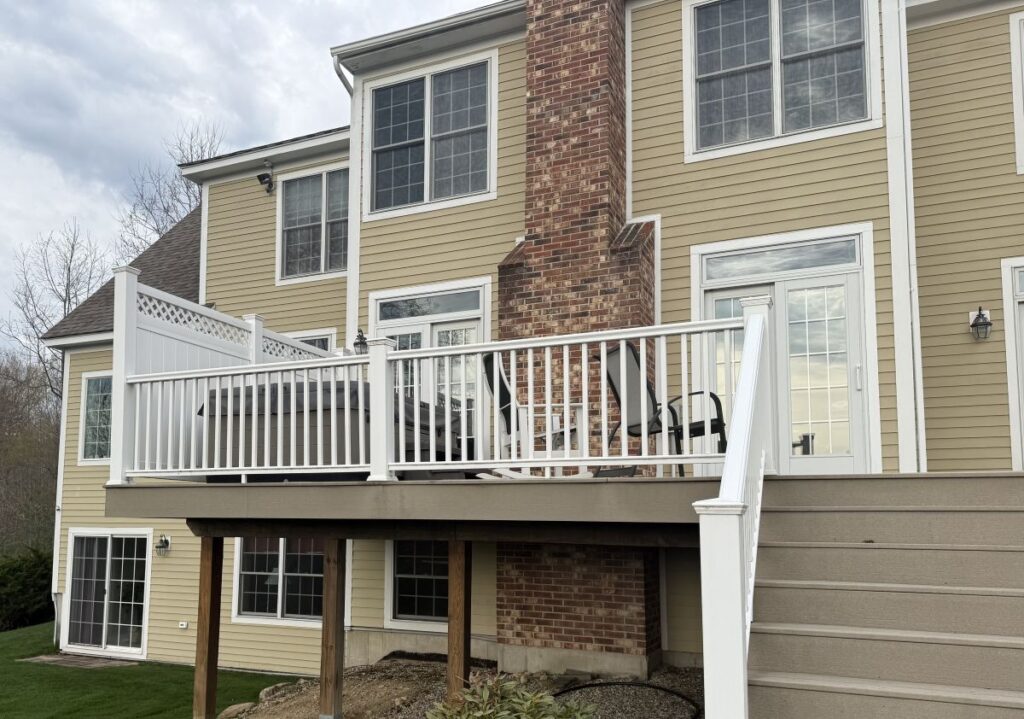
5. Vinyl Railings
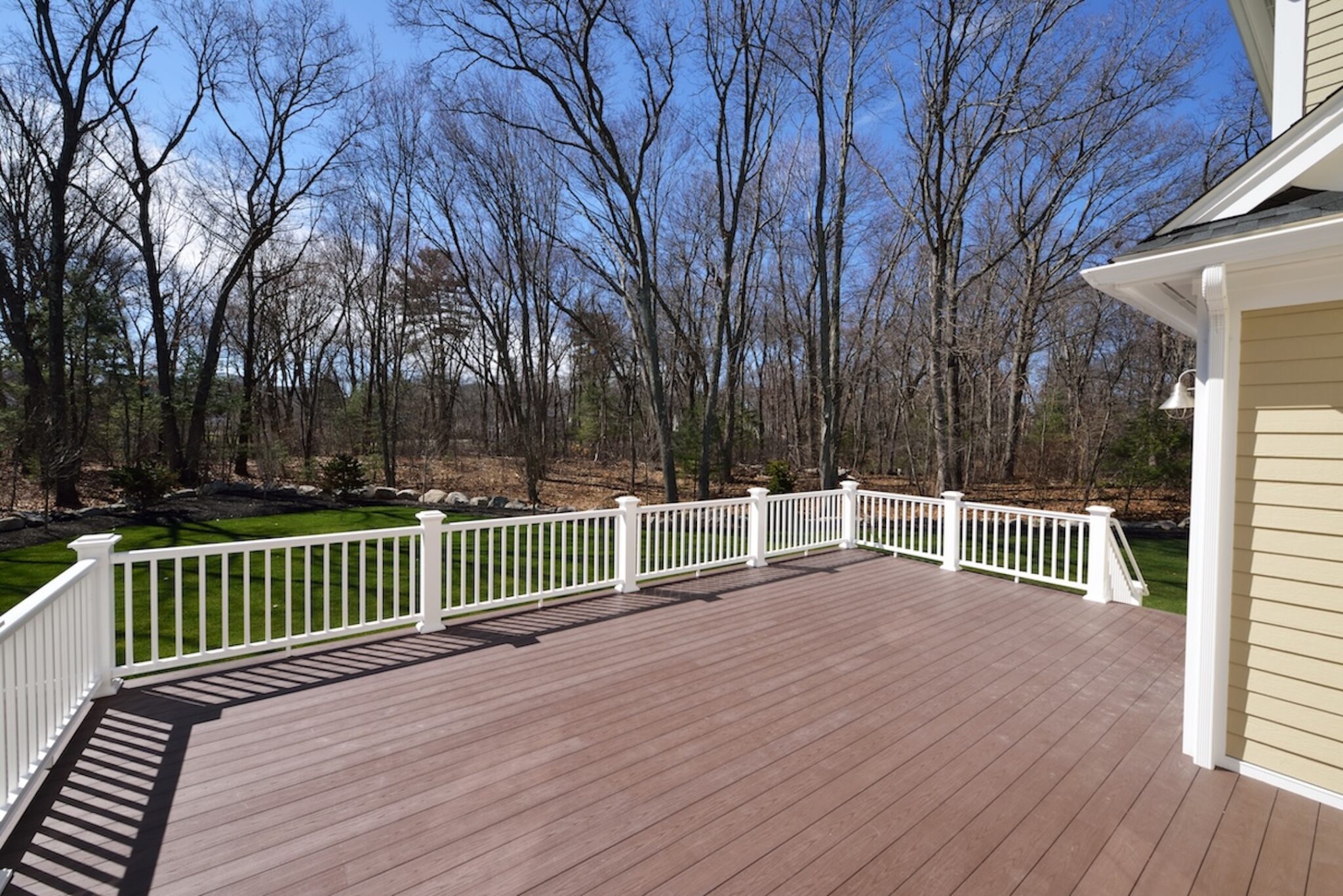
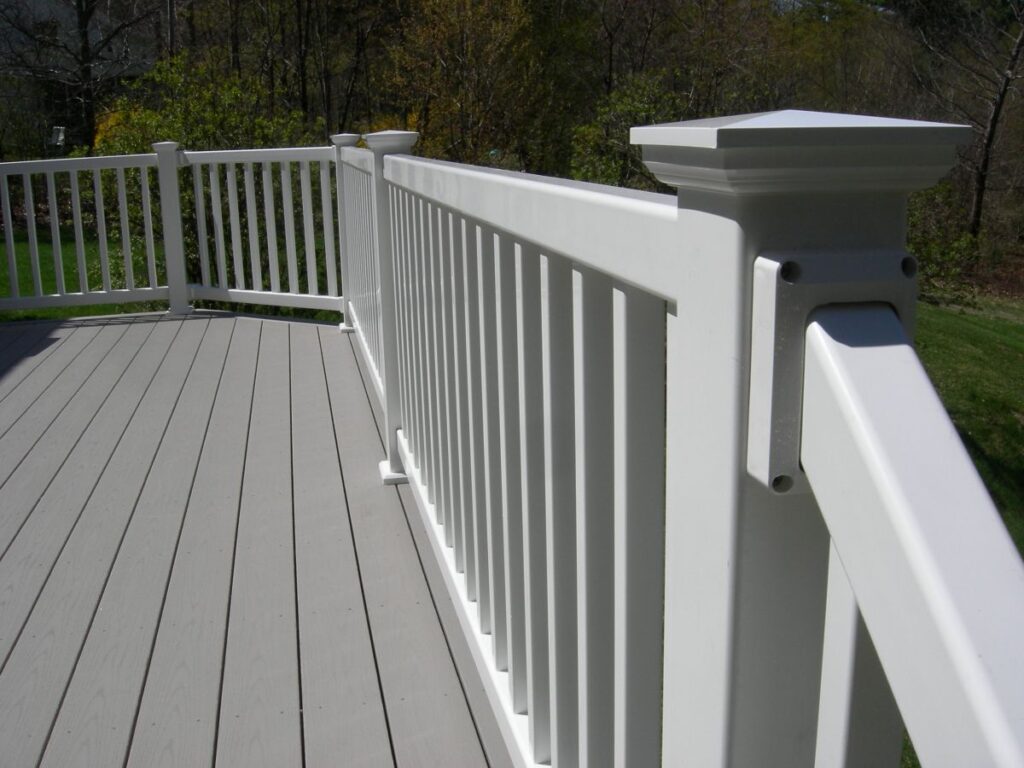
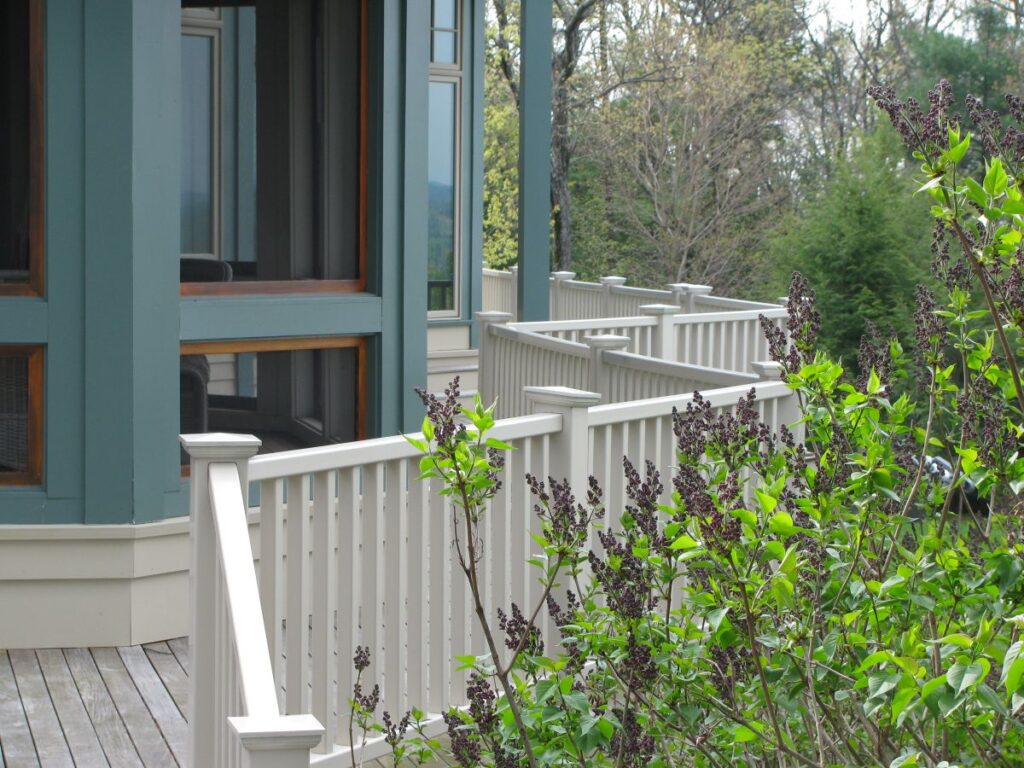
Vinyl railings are an affordable and low-maintenance alternative to wood, offering a clean look that requires little upkeep. They resist fading, stains, and peeling.
- Maintenance-Free: No painting or staining needed, just occasional washing
- Durable: Weather-resistant and unlikely to crack or splinter
- Variety: Available in multiple colors and styles to suit different tastes
Factors to Consider When Choosing Your Deck Railing
Selecting the appropriate deck railing means considering multiple facets that align with your lifestyle, environment, and budget. Thoughtful reflection on these factors saves time, effort, and future costs.
- Local Climate: Choose materials that withstand local weather conditions like moisture, heat, or cold
- Building Codes: Ensure your railing meets safety standards and height requirements for your area
- Style Compatibility: Match the railing design with your home’s architecture and landscape
- Budget Constraints: Balance initial cost with long-term maintenance expenses
- Installation Complexity: Consider the ease and time required for professional or DIY installation
Additional Benefits of Upgrading Your Deck Railing
Upgrading your deck railing isn’t just about looks or basic safety; it can transform your entire outdoor living experience. New railing installations contribute to several long-term advantages that homeowners appreciate.
Enhanced Safety Features
Modern railing options often include improved safety designs such as childproof spacing, sturdy handrails, and materials that support higher load capacities, providing peace of mind for families.
Increased Property Value
Investing in quality deck railings can raise your home’s market value by boosting curb appeal and ensuring safer, more attractive outdoor spaces sought after by buyers.
Improved Functionality and Comfort
Upgraded railings can integrate lighting, built-in seating, or planter boxes, turning a plain deck into a versatile space suited for gatherings and relaxation.
Reduced Maintenance Burden
New materials like vinyl or aluminum eliminate much of the upkeep hassle tied to traditional wood railings, freeing homeowners from frequent repairs and repainting.
Common Questions About Deck Railings
Many homeowners have questions when selecting the right deck railing system. Here are clear answers to some of the most frequently asked inquiries.
- What height should my deck railing be? Building codes typically require railing heights between 36 and 42 inches, depending on your location and deck elevation.
- Can I install deck railings myself? While some railing systems are designed for DIY installation, professional help is recommended for complex or custom projects to ensure safety compliance.
- How often do wood railings need maintenance? Wood railings should be inspected annually and sealed or painted every 2-3 years to prevent rot and weather damage.
- Are cable railings safe for kids and pets? Properly installed cable railings with tight spacing are safe, but homeowners with very small children or pets should confirm local codes and consider additional protective measures.
- Which railing materials offer the best long-term value? Aluminum and composite railings generally offer the best balance between upfront cost, durability, and low maintenance.
Choose the Perfect Deck Railing for Your Home’s Outdoor Space
Choosing the ideal deck railing can dramatically enhance both safety and style for your outdoor deck. With options ranging from traditional wood to sleek stainless steel cable designs, each material offers unique benefits tailored to various needs.
Crowe Fence specializes in providing expert guidance and custom installations for all types of deck railing systems. To explore the perfect solution for your home’s exterior and make your outdoor living area safer and more beautiful, contact us today. Let Crowe Fence help you transform your deck in your city and surrounding areas with quality craftsmanship and lasting value.

Discover Our Built-To-Last Fence Solutions
Start Your Project!
"*" indicates required fields