



Residential vs. Commercial Snow Removal: 6 Differences
Snow removal looks simple from the outside: push the snow, clear the path, move on. But clearing a family driveway and clearing a business parking lot are two very different jobs. Commercial snow removal involves bigger snow removal equipment, tighter timelines, stricter documentation, and far more liability than most homeowners ever deal with. If you own a home, a rental property, or a small business, understanding those differences helps you plan for winter and know what it takes to keep driveways, lots, and walkways clear when the storms roll in.
Here’s what we’ll cover:
- 6 key differences between residential and commercial snow work
- Which approach fits your property
- How pricing and contracts compare
- How to protect fences and outdoor structures from plows and snow piles
Why the Difference Matters for Property Owners
It’s easy to assume any plow truck can handle any property. In reality, the wrong level of service can leave you with blocked entrances, hazardous conditions on pedestrian pathways, or a contract that doesn’t match how you actually use your property. For homeowners, that usually means inconvenience. For property owners with tenants, employees, or customers, it can mean real risk.
Slips on ice are a serious concern once people other than your family are walking on your pavement. The U.S. Bureau of Labor Statistics reported 20,460 workplace injuries tied to ice, sleet, and snow in 2017 that required at least one day away from work. Knowing whether your property needs residential or commercial level care helps you choose the right provider and the right type of service agreement before the first storm.
- Better safety: The right service level keeps walkways, steps, and entrances clear for everyone who uses them.
- Smarter budgeting: Understanding how each type is priced helps you avoid surprise bills in a heavy winter.
- Less liability exposure: Office buildings, retail centers, and industrial properties need consistent snow and ice management with records, not just a quick clear when it’s convenient.
- Less property damage: A provider who matches your property size is less likely to damage lawns, curbs, and fences.
For owners in Nashua and surrounding areas, where winter weather can bring everything from light dustings to back to back nor’easters, these choices add up quickly. Getting the fit right early keeps your property safe and saves a lot of stress later.
6 Key Differences Between Residential and Commercial Snow Removal
Both types of service share the same goal: getting snow out of the way safely. How they get there is where things change. Here are the six biggest differences property owners should understand.
1. Scale and Equipment
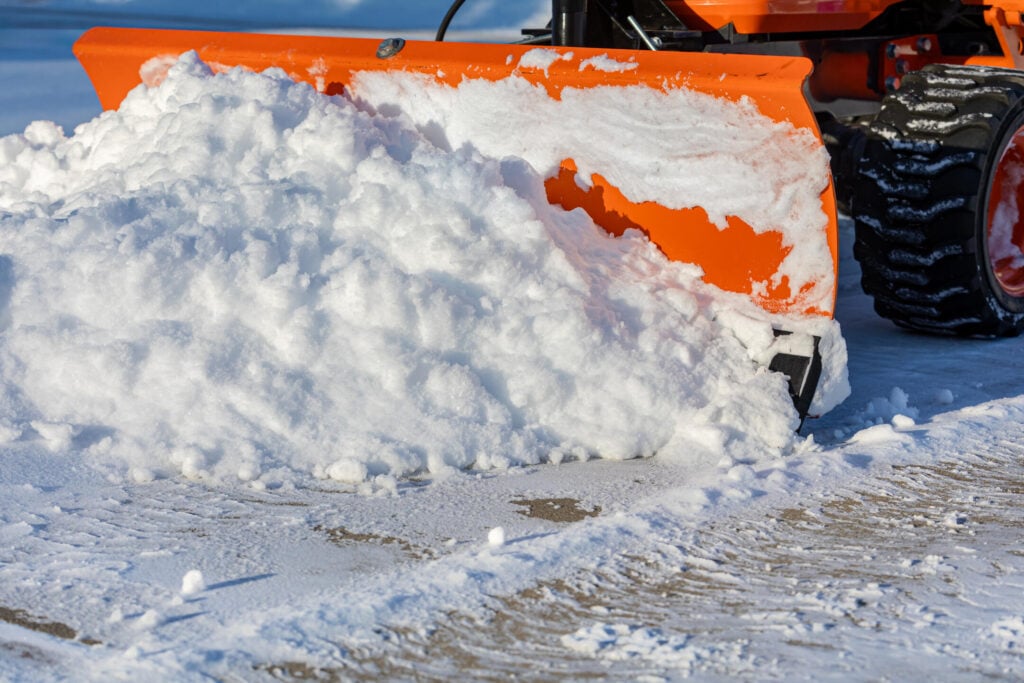
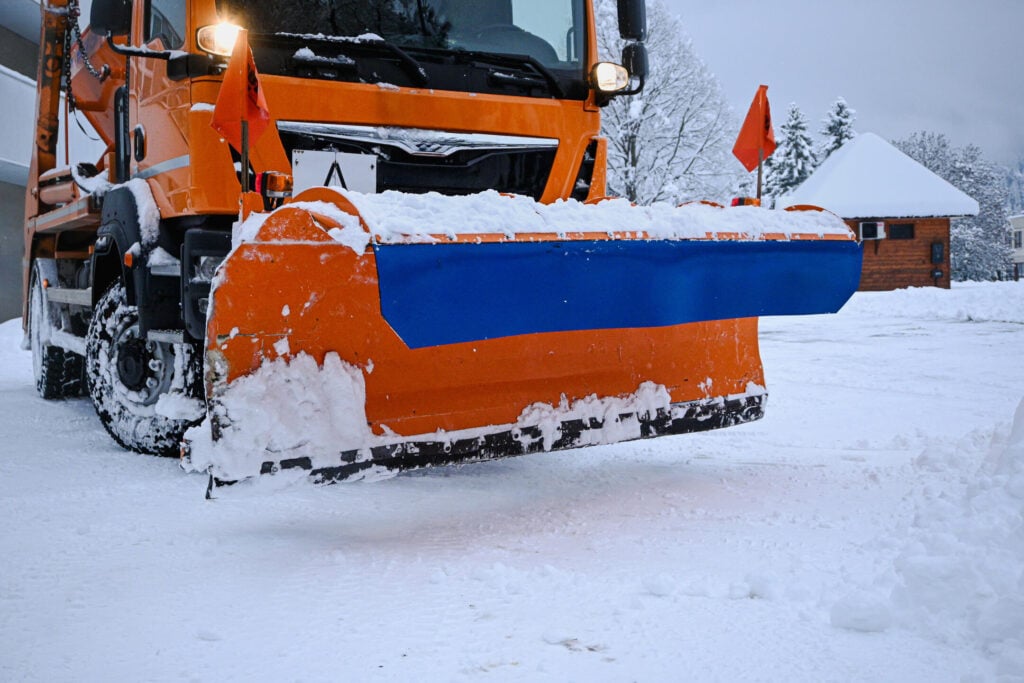
Residential jobs usually involve a driveway, a front walk, and maybe a set of steps. Crews often rely on snow blowers, shovels, and smaller plows mounted on pickup trucks. Commercial snow plowing is a different story, with large parking lots, loading areas, sidewalk clearing, and multiple entrances.
- Loaders and skid steers move large volumes of snow
- Salt spreaders treat wide paved areas evenly
- Multiple crews may work one site at the same time
2. Timing and Response Expectations
At home, you can usually wait until the storm ends or until you need to leave for work. Businesses don’t have that flexibility. Experienced crews watch weather forecasts and deploy ahead of winter storms, often working overnight so parking lot plowing is done before employees and customers arrive. Some sites, like hospitals and busy retail centers, use a zero tolerance approach that starts at the first sign of precipitation.
3. Liability and Documentation
This is one of the biggest gaps between the two. Commercial property owners carry more responsibility for the safety of people on their premises, so many expect detailed service records showing when the lot was plowed, when it was salted, and what conditions looked like at the time.
- Time stamped service logs
- Notes on salt or deicing applications
- Photos of conditions before and after service
Residential service rarely requires this level of paperwork.
4. Contracts and Pricing Structure
Homeowners typically pay per visit or sign a simple seasonal agreement. Commercial agreements tend to be more detailed. Common options include per push pricing, per event pricing, tiered pricing based on inches of snowfall, and seasonal contracts with a set number of included visits. Good commercial contracts also define service triggers, such as how much snow accumulation sends crews out.
5. Ice Management
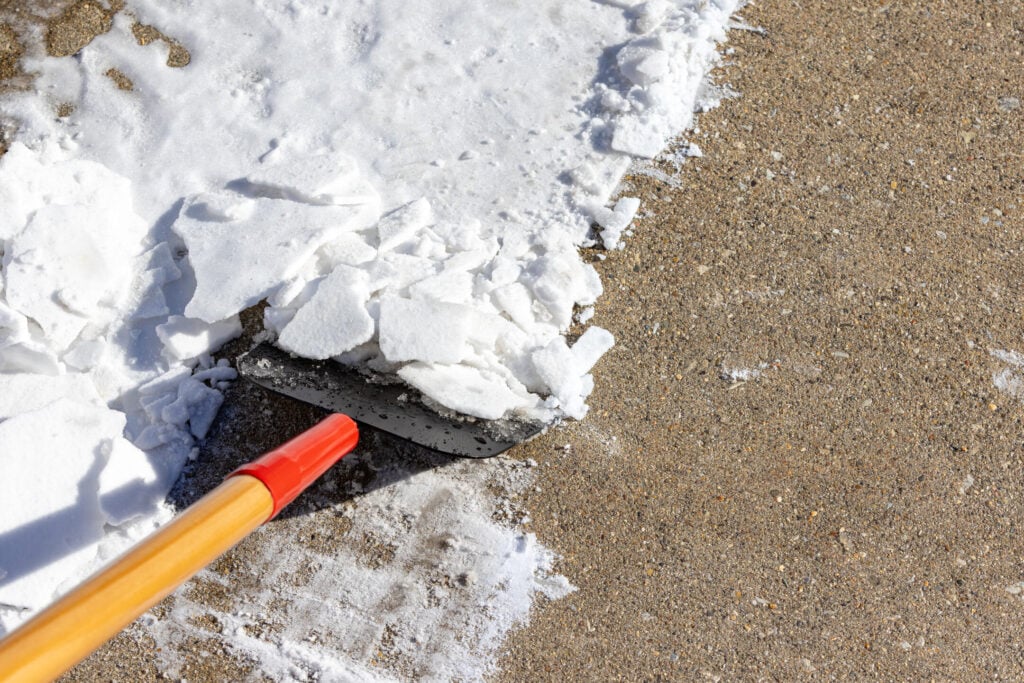
Clearing snow is only half the job. On commercial sites, ice control is often the bigger priority because a refrozen parking lot is a slip hazard for everyone who crosses it. Ice management services choose deicing materials based on temperature and surface type to improve traction and prevent refreezing:
- Rock salt: The common choice for most everyday deicing conditions
- Calcium chloride: Works well in extreme cold
- Magnesium chloride: Often used in environmentally sensitive areas
- Liquid brine: Sprayed as a pretreatment before storms to limit ice accumulation
At home, many homeowners handle ice themselves with a bag of ice melt by the front door.
6. Snow Storage and Site Planning
On a driveway, snow usually gets pushed to the side of the yard. On a commercial lot, there’s only so much room before piles start eating up parking spaces, blocking sight lines, or burying hydrants. Commercial providers plan designated areas for snow before the season starts, and in heavy winters they may need to haul it away entirely.
These differences don’t make one type of service better than the other. They simply reflect how differently the properties are used.
Which Approach Fits Your Property?
Not every property falls neatly into one category. A home based business, a duplex, or a small office building can sit somewhere in the middle. The best way to decide is to think about who uses your property and how much risk you’re comfortable carrying.
- Single family homes: Residential service is usually the right fit. Focus on reliability, timing, and care around your lawn and landscaping.
- Rental properties and small multifamily buildings: Tenants depend on you for safe access, so consistent service and basic records are worth considering even if the property looks residential.
- Home based businesses: If clients or customers visit regularly, treat entrances and walkways with commercial level attention.
- Retail, office, and industrial sites: Commercial service with clear response times, ice management, and documentation is the standard.
- HOAs and shared driveways: Look for written agreements that spell out who handles what and when.
If you’re a property manager hiring commercial snow removal services, verify reliability and equipment capacity before you sign. Ask for an insurance certificate naming your property as an additional insured, and check whether the company follows standards from industry associations like the Snow and Ice Management Association. Many commercial providers also offer around the clock emergency response during winter weather events, so confirm how quickly they’ll respond.
Property owners in Nashua and surrounding areas often manage a mix of these situations, especially landlords with both a home and a rental. Looking at each property separately makes the right choice clearer.
Residential vs. Commercial at a Glance
Sometimes it helps to see everything side by side. Here’s a quick comparison of what each type of service usually involves.
| Factor | Residential | Commercial |
| Typical area | Driveways, walkways, steps | Parking lots, loading docks, sidewalks, entrances |
| Equipment | Snow blowers, shovels, truck plows | Loaders, skid steers, salt spreaders |
| Timing | Flexible, often after the storm | Before business hours, often during the storm |
| Ice management | Light, often handled by the homeowner | Pretreatment and repeated salting |
| Documentation | Rarely required | Service logs are common |
| Agreements | Per visit or simple seasonal plans | Per push, per event, per inch, or seasonal |
| Monitoring | As needed | Continuous monitoring of weather forecasts |
Protecting Fences and Outdoor Structures During Snow Season
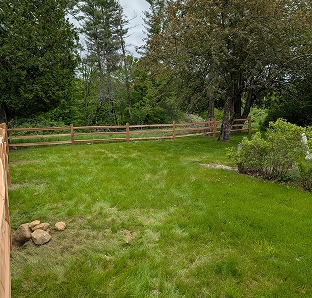
Whether it’s a backyard or a business park, plows and snow piles can be tough on everything near the pavement. A plow blade can clip fence posts, snap gate hardware, or push a mailbox right off its footing. Heavy snow piled against a fence for weeks also adds steady pressure that can lean posts and loosen panels.
- Mark fence lines, mailboxes, and curbs with tall stakes before the first storm
- Ask your provider to keep snow piles away from fences and railings
- Leave a gap between plowed snow and gates so they can still open
- Check posts and panels after big storms for leaning or cracking
This is where we come in. As a fence and deck company serving Nashua and surrounding areas since 1984, we install and repair residential and commercial fencing built to handle New Hampshire winters, and we can help you fix plow damage once the ground allows.
Frequently Asked Questions About Commercial Snow Removal
Still sorting out which type of service makes sense for your property? These quick answers cover the questions we hear most often from homeowners and property owners.
What is the biggest difference between residential and commercial snow removal?
The biggest difference is responsibility. Commercial properties serve employees, tenants, and customers, so they require faster response times, ice management, and documented service.
Do landlords need commercial snow removal?
It depends on the property. Even small rentals benefit from consistent service and basic records, since tenants and visitors rely on safe access to entrances and walkways.
Is commercial snow removal more expensive?
Usually, yes. Larger areas, heavier equipment, overnight work, and ice management all add to the cost of professional snow removal compared with clearing a single driveway.
When should I set up a snow removal agreement?
Fall is the best time. Many providers of snow plowing services fill their schedules before the first storm, and booking early gives you time to compare options.
Can plows damage my fence?
Yes. Plow blades and heavy snow piles can bend posts, damage gates, and lean fence panels. Marking your fence line and keeping piles away from it helps prevent damage.
Every property is a little different, and the right answer often depends on how your space is used day to day. If you’re unsure, it’s always worth asking before the season starts.
Get Your Property Ready for a New Hampshire Winter
Residential and commercial snow removal may look alike from the street, but they differ in equipment, timing, liability, and planning. Knowing which one your property needs helps you stay safe, budget wisely, and plan for efficient snow removal without damaging the fences, gates, and structures that make your property work. At Crowe Fence, we’ve been serving property owners in Nashua and surrounding areas for over 40 years, and we’re always happy to talk through what your property needs before winter arrives. If you have questions or want our team to look at your fence this season, contact us today.

Discover Our Built-To-Last Fence Solutions
Start Your Project!
"*" indicates required fields