


How To Install Metal Stair Railing? (7 Steps)
If you’re updating a staircase, adding safety to your deck, or just looking to elevate the look of your outdoor space, learning how to install a metal stair railing is a smart place to start. This type of railing offers a sleek, durable, and low-maintenance solution that enhances both aesthetics and security. Whether you’re a DIY-minded homeowner or preparing to work with a contractor, understanding the process ensures your project is completed safely and beautifully.
At Crowe Fence & Deck Supply, we’ve helped countless homeowners in Nashua and surrounding areas plan successful outdoor upgrades. Whether you’re adding railings to a porch or integrating them with a new stairway, our team can help you choose the right materials and designs that fit seamlessly into your project. You can even explore premium railing options through our wide selection of fencing materials available in-store and online.
Here’s what you’ll learn in this blog:
- Why metal stair railings are a smart investment
- Tools and materials you’ll need before installation
- A step-by-step breakdown of the installation process
- Key tips to ensure long-lasting results
- Design options and maintenance advice

Why Metal Stair Railings Are a Smart Choice
Metal stair railings aren’t just about safety—they also contribute to the overall value and look of your home. Whether used indoors or outdoors, they provide modern elegance while ensuring code compliance and peace of mind. Below are just a few reasons why homeowners in Nashua and surrounding areas are choosing metal railings more than ever.
- Durability: Metal railings resist rot, insect damage, and warping over time—making them ideal for New England weather.
- Low Maintenance: Unlike wood, metal doesn’t need to be painted or stained regularly.
- Modern Appeal: Powder-coated finishes and sleek lines create a contemporary, high-end look that blends well with most architecture.
- Code Compliance: Properly installed metal railings help meet building codes for both residential and commercial stairways.
- Versatility: From aluminum to wrought iron, metal options suit a wide range of styles and budgets.
7 Steps to Install Metal Stair Railing
Whether you’re installing railings on deck stairs, porch steps, or an interior staircase, the following steps provide a solid blueprint for a successful project. Always check your local building codes before starting.
1. Measure and Plan Your Layout
Start by measuring the total rise and run of the staircase. This includes:
- Number of steps
- Height from the bottom stair to the top landing
- Width of the stair treads
Use these measurements to determine the length and angle of your railing. Sketch a simple diagram to visualize post placement and railing sections.
2. Choose Your Railing Type and Components
Metal stair railings typically come in one of the following styles:
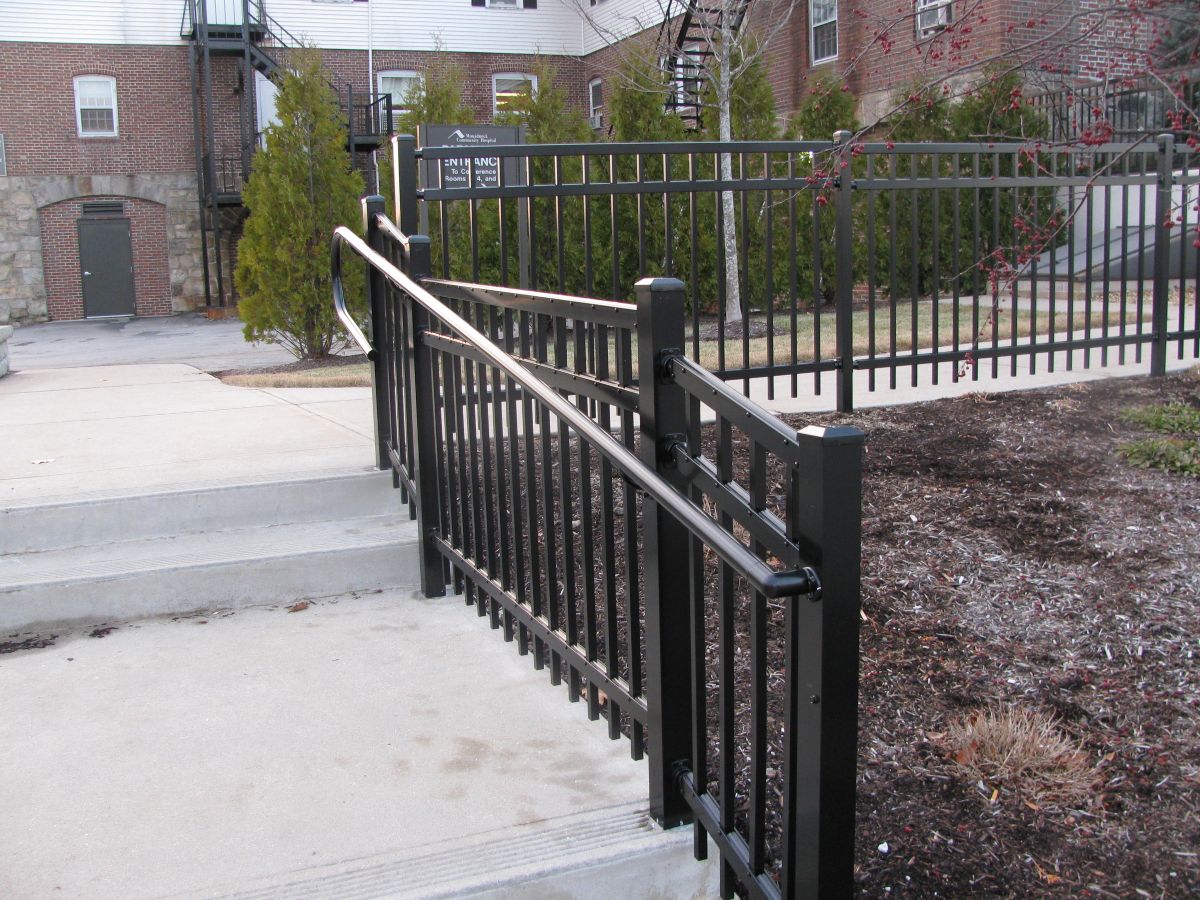
- Pre-fabricated railing kits (usually aluminum or steel)
- Custom-welded solutions (common for wrought iron)
- Modular railing systems (with balusters, brackets, and handrails sold separately)
Popular materials include:
- Aluminum: lightweight, rust-resistant, and easy to install
- Steel: strong and sleek, but heavier and may require welding
- Wrought iron: decorative and heavy-duty, often used for custom jobs
3. Gather Your Tools and Materials
Before beginning, make sure you have:
- Power drill with metal bits
- Mounting brackets or base plates
- Screws or bolts (often included in railing kits)
- Level and measuring tape
- Safety glasses and gloves
- Post anchors (for deck or concrete surfaces)
- Hacksaw or miter saw (if cutting is required)
If you’re mounting to concrete, you’ll also need:
- Masonry drill bit
- Concrete anchors
4. Install the Bottom and Top Posts
These posts will support the rest of the railing, so getting them perfectly aligned is critical.
Steps:
- Mark the location for each post on the stair tread or landing.
- Use a level to ensure the post is vertical in all directions.
- Secure posts with base plates and bolts, drilling into wood or concrete as needed.
- Double-check alignment before fully tightening.
5. Attach Intermediate Posts or Balusters
If your stairway is longer or has multiple sections, you’ll need intermediate posts or balusters to support the railing span. Most systems recommend spacing no more than 4 inches apart to comply with code.
Tips:
- Use a spacer block for consistent gaps
- Install one post at a time and double-check alignment as you go
6. Install the Handrail
Once your posts or balusters are in place:
- Attach mounting brackets to the posts
- Align the handrail along the desired slope (based on your stair pitch)
- Secure the rail to the brackets, ensuring it’s level and smooth to grip
You may need to trim the handrail ends with a saw to fit the exact angle and length.
7. Finish and Inspect
After installation:
- Check for any wobble or instability
- Tighten all fasteners
- Touch up scratches with rust-resistant paint if needed
- Clean the railing with a damp cloth to remove dust and debris
Always do a final walkthrough and, if necessary, test the railing for stability with gentle pressure to ensure it’s ready for daily use.
Choosing the Right Style for Your Space
Once you’ve mastered the installation basics, the next step is picking the right railing design to suit your home’s style and function. Here are a few considerations:
Material Aesthetic
- Aluminum: Great for modern decks and porches, often available in matte black or bronze finishes
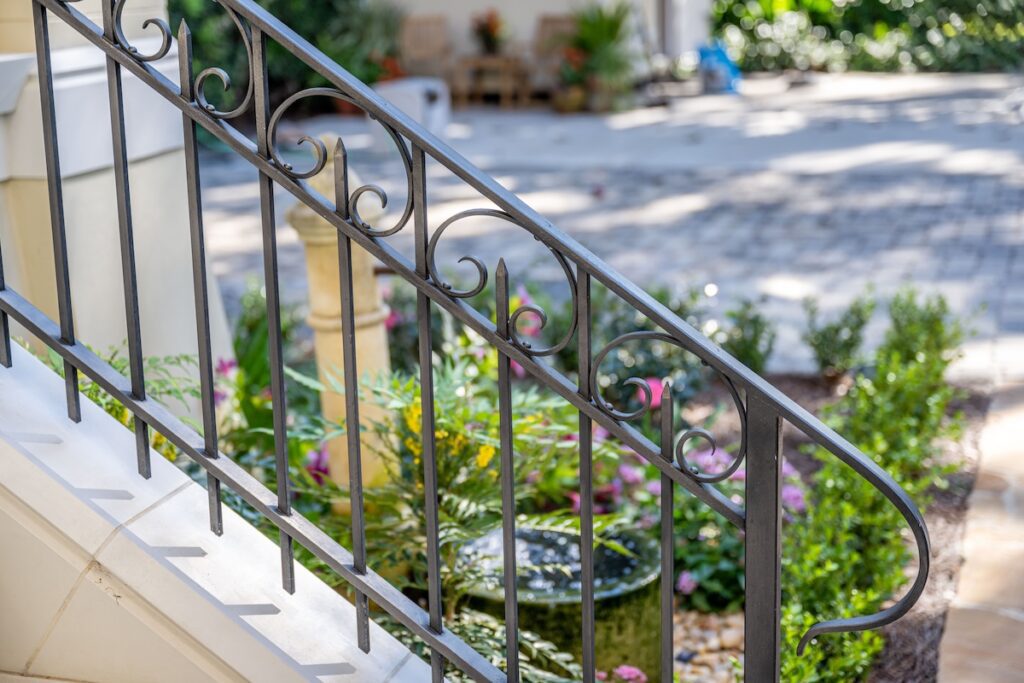
- Wrought Iron: Ideal for homes with classic or ornate architecture
- Cable Railing Inserts: Pair beautifully with metal frames for a sleek, open look
Mounting Options
- Surface Mount: Easier to install, bolts directly to treads or landing
- Fascia Mount: Attaches to the side of stairs for a cleaner look (but requires more planning)
Handrail Shape
- Round: Comfortable grip and easy to follow the slope of stairs
- Square or Flat: Sleek and modern but slightly less ergonomic
Color and Finish
Powder-coated finishes come in a wide range of colors, including:
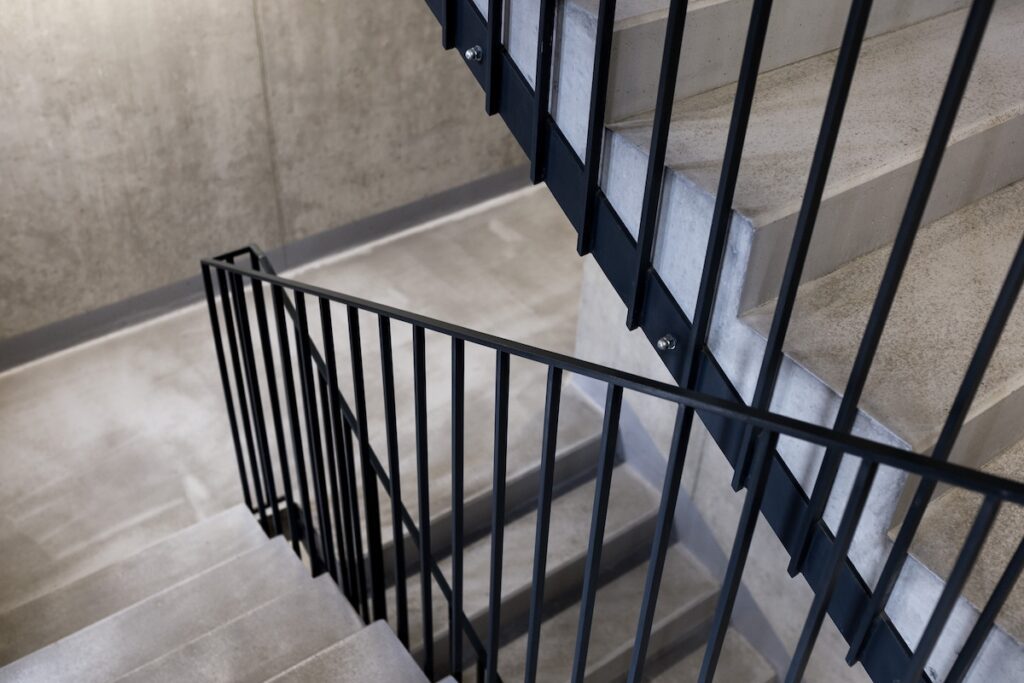
- Matte black
- Bronze
- White
- Custom options (available through some suppliers)
Mistakes to Avoid When Installing Metal Stair Railings
Even with a great plan, minor oversights can lead to problems. Avoid these common issues to ensure a smoother project.
- Skipping Code Compliance: Every stair railing installation must meet local building codes for height, spacing, and strength. Don’t guess—check before cutting or drilling.
- Using the Wrong Fasteners: Screws and bolts should match the material you’re anchoring into (wood vs. concrete).
- Not Checking Level Frequently: Just a few degrees off at the base can throw off the entire handrail angle.
- Cutting Before Measuring Twice: Even small cuts can be hard to undo when working with metal.
- Failing to Weatherproof Joints: Especially in outdoor installations, make sure connections are sealed and painted to prevent corrosion.
Maintenance Tips to Keep Your Railing Looking New
Metal stair railings are low maintenance, but a few seasonal checks can extend their lifespan and appearance.
- Clean Quarterly: Use mild soap and water to wipe down surfaces and remove pollen, dirt, or grime.
- Inspect for Rust: Focus on joints, welds, and fasteners—especially in winter or high-moisture climates like Nashua and surrounding areas.
- Tighten Hardware Annually: Check screws and bolts for any looseness.
- Touch-Up Paint: Small chips can be covered with matching rust-resistant touch-up paint to prevent corrosion.
Ready To Upgrade Your Staircase?
Installing a metal stair railing can enhance your home’s safety, style, and property value—especially when done with quality materials and proper planning. If you’re a homeowner in Nashua and surrounding areas, Crowe Fence & Deck Supply can help you choose the right system, answer questions about code compliance, or even connect you with local installation pros.
For expert advice or help sourcing your materials, contact us today and let Crowe Fence & Deck Supply support your next outdoor project.

Discover Our Built-To-Last Fence Solutions
Start Your Project!
"*" indicates required fields