


Fence Maintenance: Best Practices for Long-Lasting Fences
Fence maintenance is one of the most important yet overlooked parts of owning a fence. Whether you’ve just installed a beautiful wood fence or you’re trying to preserve the life of your existing vinyl or aluminum fencing, staying proactive can save time, money, and frustration. When you invest in quality materials and expert installation, like those offered on this page about fencing solutions, it only makes sense to protect that investment with routine care.
- Why fence maintenance matters for property value and longevity
- Simple steps you can take to prevent long-term damage
- Maintenance tips specific to different fence materials
- Seasonal and weather-related upkeep strategies
- How Crowe Fence & Deck Supply can help keep your fence in top shape
Why Fence Maintenance Shouldn’t Be Ignored
Taking care of your fence may not always feel urgent, but neglecting it can cause early deterioration and unnecessary repair costs. Regular maintenance plays a big role in keeping your fence looking great and functioning properly for years to come.
- Protects Your Investment: A well-maintained fence lasts significantly longer, meaning fewer replacement costs down the road.
- Improves Curb Appeal: Fences are one of the first things people notice—clean, straight lines and fresh finishes make a difference.
- Enhances Safety: Weak posts or rotting boards can be dangerous, especially for homes with children or pets.
- Prevents Bigger Issues: Small cracks, mildew, or rust spots can quickly spread if ignored, leading to expensive repairs.
- Supports Property Value: A clean, well-kept fence signals quality and care to prospective buyers.
6 Essential Fence Maintenance Tips to Follow Year-Round
While each fence material has unique requirements, there are universal maintenance steps that can greatly extend the life of any structure.
1. Inspect Your Fence Every Season
Walk the length of your fence at least four times a year, especially after winter or heavy storms in Merrimack and surrounding areas.
- Look for signs of sagging, leaning, or loose boards.
- Check for rot, mildew, rust, or insect damage.
- Inspect gates and latches for proper function.
2. Keep the Base Clear
Grass, leaves, and mulch can trap moisture and accelerate decay, especially in wood fences.
- Trim bushes and landscaping away from the fence line.
- Avoid piling soil or snow against the fence.
- Keep the bottom of the fence elevated above ground level when possible.
3. Clean the Surface Regularly
Dirt, algae, and mildew buildup can wear down finishes and stain materials over time.
- Use a garden hose and soft brush to scrub down vinyl or aluminum.
- For wood, use a gentle pressure wash followed by a dry-out period.
- Avoid harsh chemicals that may damage finishes or harm nearby plants.
4. Re-Stain or Repaint as Needed
Wood fences require ongoing protection to prevent moisture absorption and UV damage.
- Apply sealant or stain every 2–3 years, or when the wood starts to look dull.
- Use weather-resistant paint that’s appropriate for exterior wood surfaces.
- Choose a dry, sunny day for best results.
5. Tighten and Replace Hardware
Screws, nails, and hinges can loosen or rust over time.
- Replace rusted fasteners with galvanized or stainless steel versions.
- Use a screwdriver or drill to tighten boards and panels as needed.
- Lubricate hinges and locks for smoother operation.
6. Watch for Shifting Soil or Frost Heave
Changes in the ground, especially in New England winters, can impact fence stability.
- Check post alignment after freezes or heavy rainfall.
- Re-secure any posts that are wobbling or leaning.
- Use gravel or concrete at the base for added support in high-moisture areas.
Fence Maintenance by Material Type
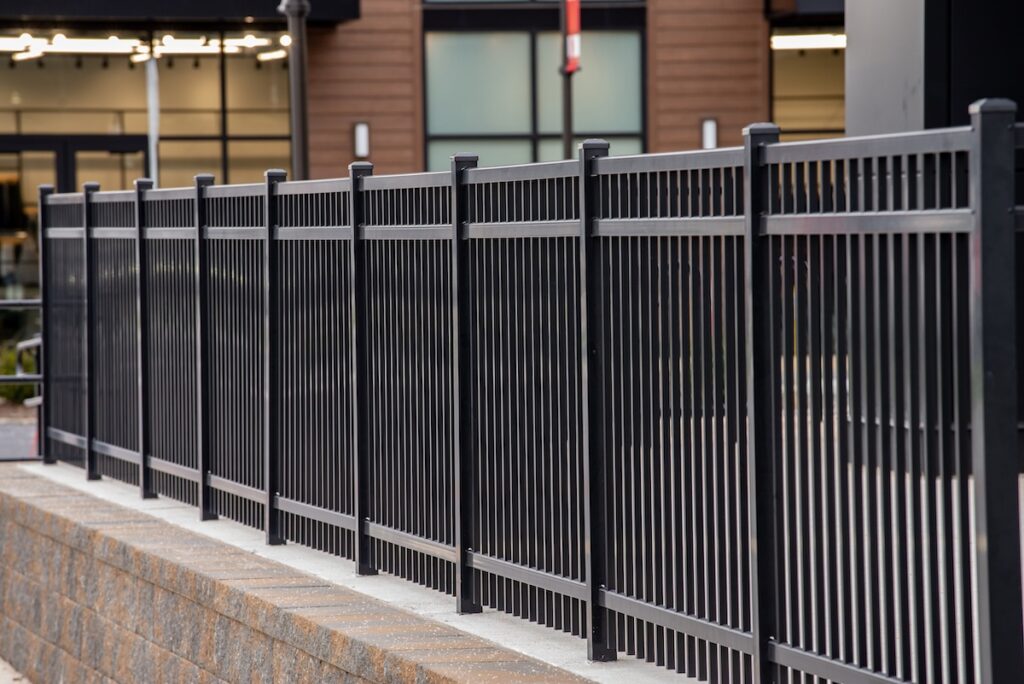
Each type of fence has its own care requirements. Understanding the differences helps prevent mistakes that could shorten your fence’s lifespan.
Wood Fences
- Sealant is a must: Apply waterproof sealant every few years to prevent warping and rotting.
- Watch for pests: Termites and carpenter ants love untreated or aging wood.
- Clean with care: Avoid high-pressure washing that can damage the grain.
Vinyl Fences
- Mildew resistant but not immune: Clean periodically to avoid buildup in shaded or damp spots.
- Avoid impact damage: Vinyl can crack in extreme cold, so keep snow shovels and lawn tools away.
- Soap and water is enough: Skip abrasive cleaners and stick to gentle scrubbing.
Aluminum or Steel Fences
- Rust is the enemy: Inspect for rust spots and touch up with rust-inhibiting paint.
- Lubricate joints: Hinges and joints may need seasonal lubrication.
- Minimal upkeep: Metal fences are low-maintenance but still benefit from an annual wash.
Composite Fencing
- Stable and weather-resistant: Requires very little upkeep.
- Surface cleaning: Use a soft cloth and mild detergent for buildup.
- Avoid strong solvents: These can damage the surface finish.
Seasonal Maintenance Strategies
In a place like Merrimack and surrounding areas, seasonal shifts demand a flexible approach to fence upkeep.
Spring
- Clear away debris from around the base.
- Rinse off dirt and grime from winter storms.
- Inspect for frost damage or shifting posts.
Summer
- Stain or paint while the weather is dry.
- Trim plants and grass along the fence line.
- Check for signs of UV fading on wood and vinyl.
Fall
- Remove fallen leaves that trap moisture.
- Clean and store tools or planters that rest against the fence.
- Lubricate hinges and locks before freezing weather sets in.
Winter
- Avoid letting snow pile against the fence.
- Gently remove ice with a broom, not a shovel.
- Watch for movement due to frost heave or saturated ground.
Repair vs Replacement: Knowing When It’s Time
Maintaining your fence helps delay replacement, but no fence lasts forever. Understanding the signs can help you make an informed decision.
| Condition | Maintenance Fix | Replacement Needed |
| A few loose boards | Re-nail or replace boards | No |
| Light surface mold | Clean and reseal | No |
| Posts are unstable | Re-set with concrete | Sometimes |
| Multiple rotting sections | Temporary patch possible | Likely |
| Sagging or leaning fence line | Reinforce structure | Often |
| Extensive rust on metal | Sand and paint | If widespread, yes |
If your fence has more damage than structure, it may be more cost-effective to install a new one entirely. Fortunately, the experts at Crowe Fence & Deck Supply can walk you through the pros and cons of repair vs replacement.
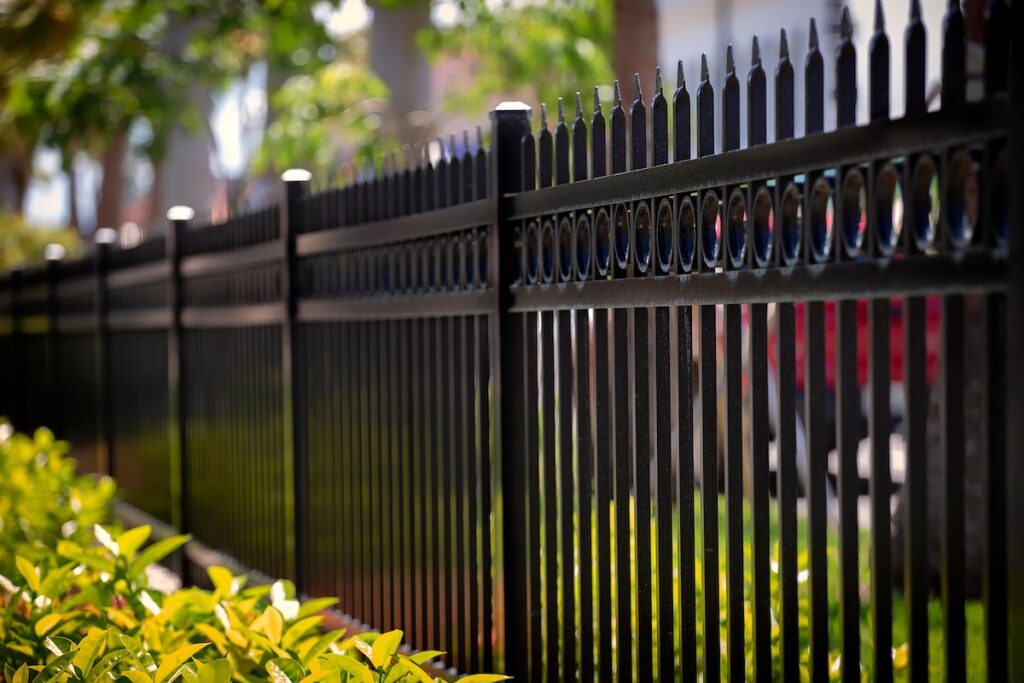
Final Thoughts + How Crowe Can Help
Taking care of your fence doesn’t require a lot of time—it just takes consistency. With a bit of seasonal attention and some basic know-how, your fence can continue to look great and protect your property for decades. Whether you own a classic wood privacy fence or a sleek vinyl perimeter, keeping it in top condition is well worth the effort.
If you’re unsure where to start or your fence needs more than just a tune-up, contact us today to get expert help from Crowe Fence & Deck Supply. Our team proudly serves Merrimack and surrounding areas with long-lasting fencing solutions and professional guidance every step of the way.

Discover Our Built-To-Last Fence Solutions
Start Your Project!
"*" indicates required fields